 en
en Our factory has served countless products across various industries for 30 years, making a significant contribution to the cutting industry. Let us customize the cutting tools you need!
Mabu - CEO RisingBamboo

 Email: Mb@mingbaiblade.com
 Tel.: +86-13855519988



When customizing custom blades, many customers believe that "sample-based manufacturing" is the safest approach — "I provide an old blade, and you just copy it." However, Mingbai Mechanical Tool Technology Co., Ltd. has found that this seemingly simple request is actually the most prone to problems. Why? Because the old blade itself may already be "lying" to you.
1. Three Things an Old Blade Won't Tell You
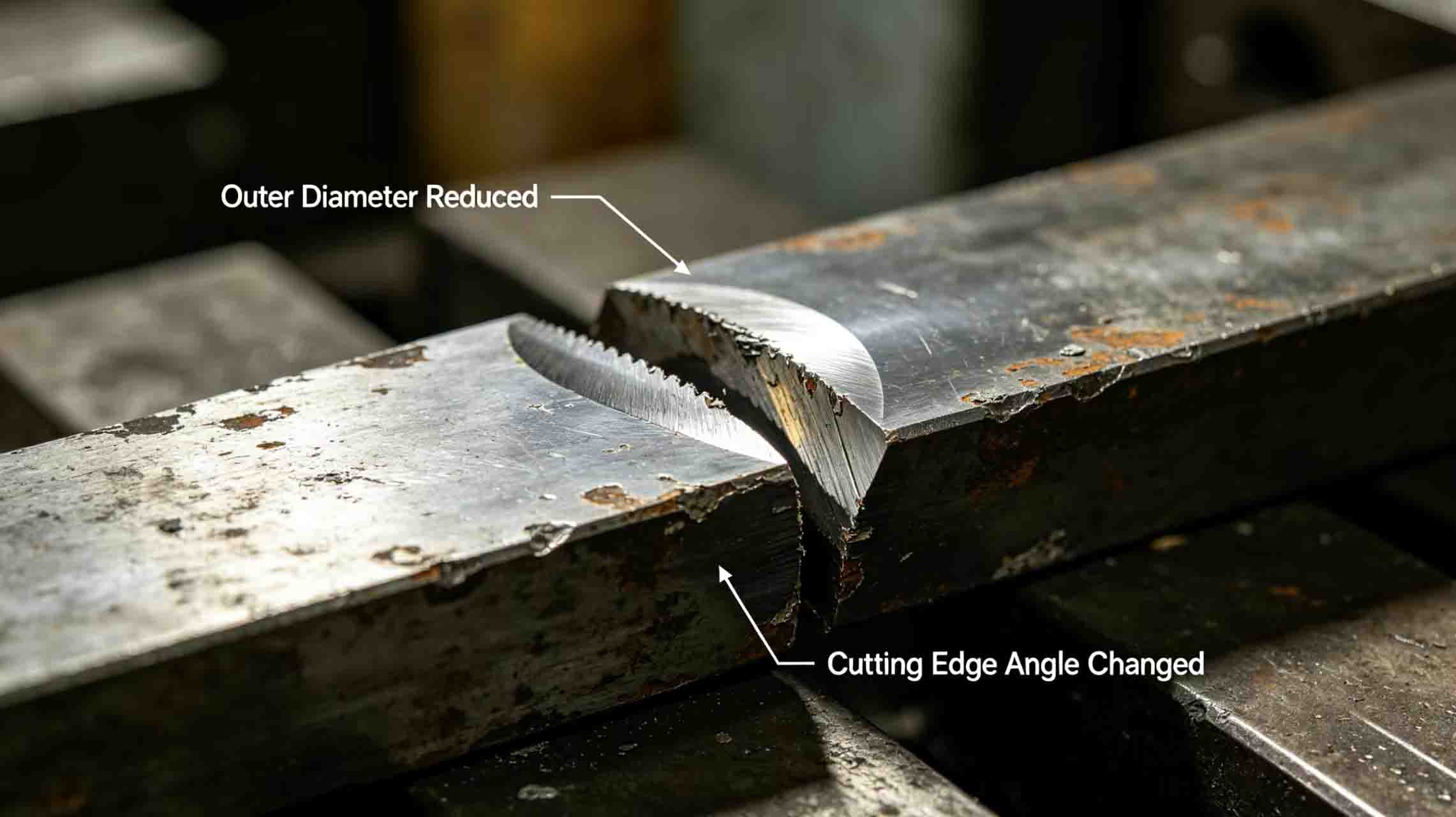
1. It has already been resharpened multiple times
A used slitting blade may have been resharpened 3-5 times, with reduced outer diameter, changed edge angle, and enlarged bore. If you copy it as it is, the new blade will be manufactured to "post-wear dimensions" from the start — resulting in oversized clearance and poor cutting quality upon installation.
2. It may already be deformed or have micro-cracks
Precision circular blade after long-term use may have slight warping on its end face (flatness out of tolerance), or invisible micro-cracks. If you only measure the outer contour during copying without checking for deformation, the new blade will inherit these defects.
3. It may be the result of incorrect selection
If the original blade itself had unsuitable material or angles for your working conditions, copying it will only pass on the same mistakes. Alloy blade for silicon steel slitting with an excessively small edge angle that caused frequent chipping will still chip in the copy.
2. Three Most Common Pitfalls in Sample-Based Manufacturing
1. Only measuring dimensions, not asking about working conditions
Some manufacturers simply take measurements without asking about equipment type, material thickness, or cutting speed. The resulting high-speed steel custom blade may have correct dimensions but wrong material or hardness, causing problems upon installation.
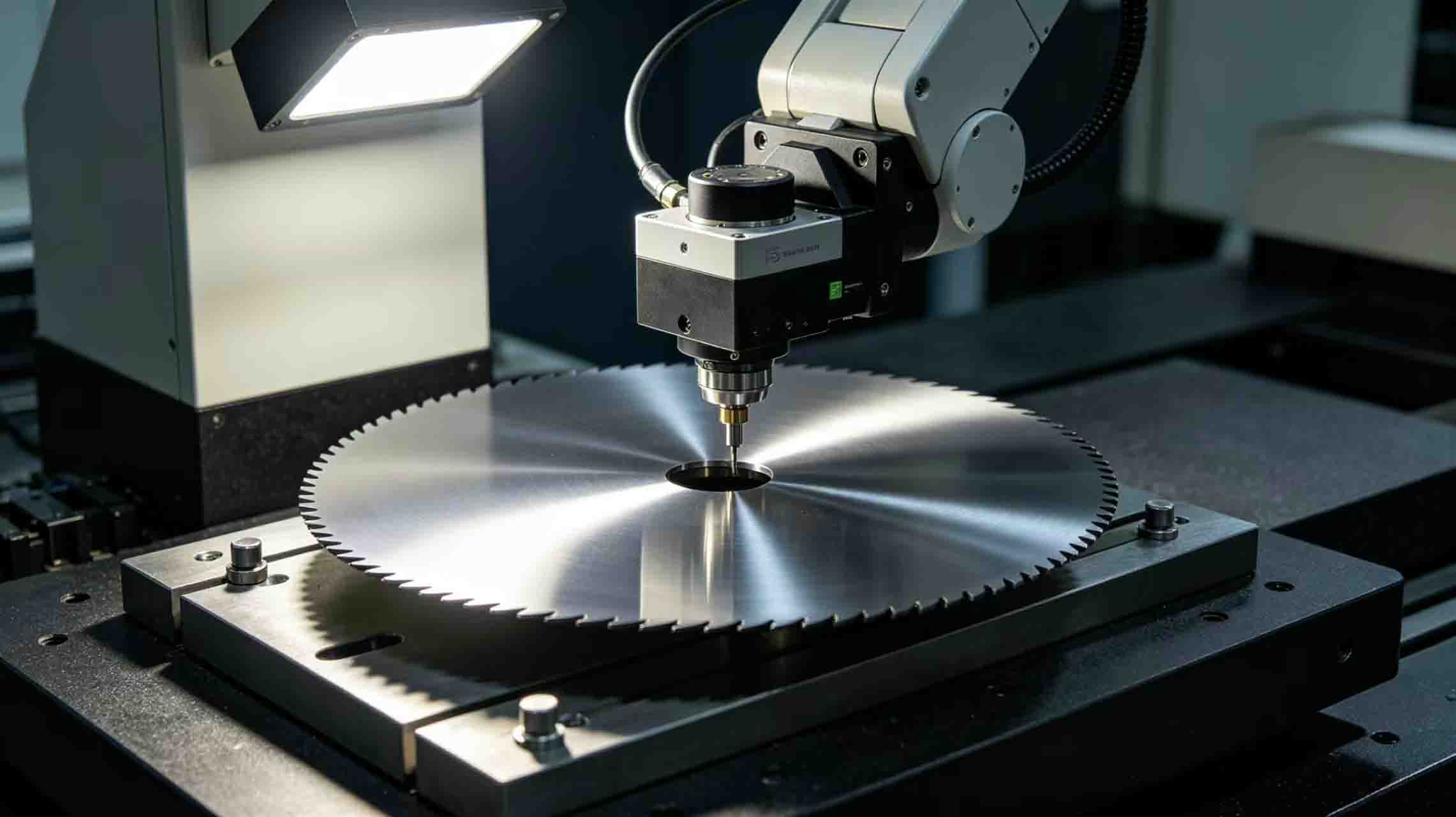
2. Ignoring wear compensation
The old blade's outer diameter has shrunk due to resharpening. If the new blade is made to this dimension, the clearance will be too large upon installation, leading to severe burrs. The correct approach is to deduce the original factory outer diameter based on the number of resharpenings during reverse engineering, and manufacture to the original size.
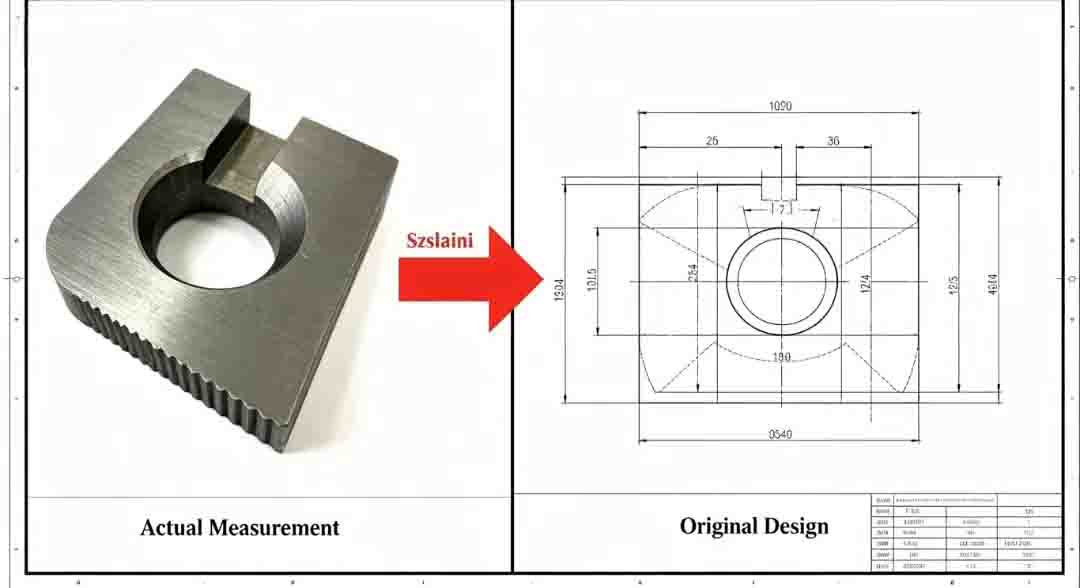
3. Overlooking coating
The old blade's coating may have completely worn away and be invisible to the naked eye. If coating requirements are not specifically stated during sample-based manufacturing, the manufacturer may produce an uncoated blade with only one-third of the original blade's life.
3. How to Properly Execute "Sample-Based Manufacturing"
1. Provide sample + working condition information
In addition to sending old slitter blade samples, provide: material grade, thickness, equipment speed, and current cutting issues (burrs, chipping, short life, etc.).
2. Accept reverse optimization suggestions
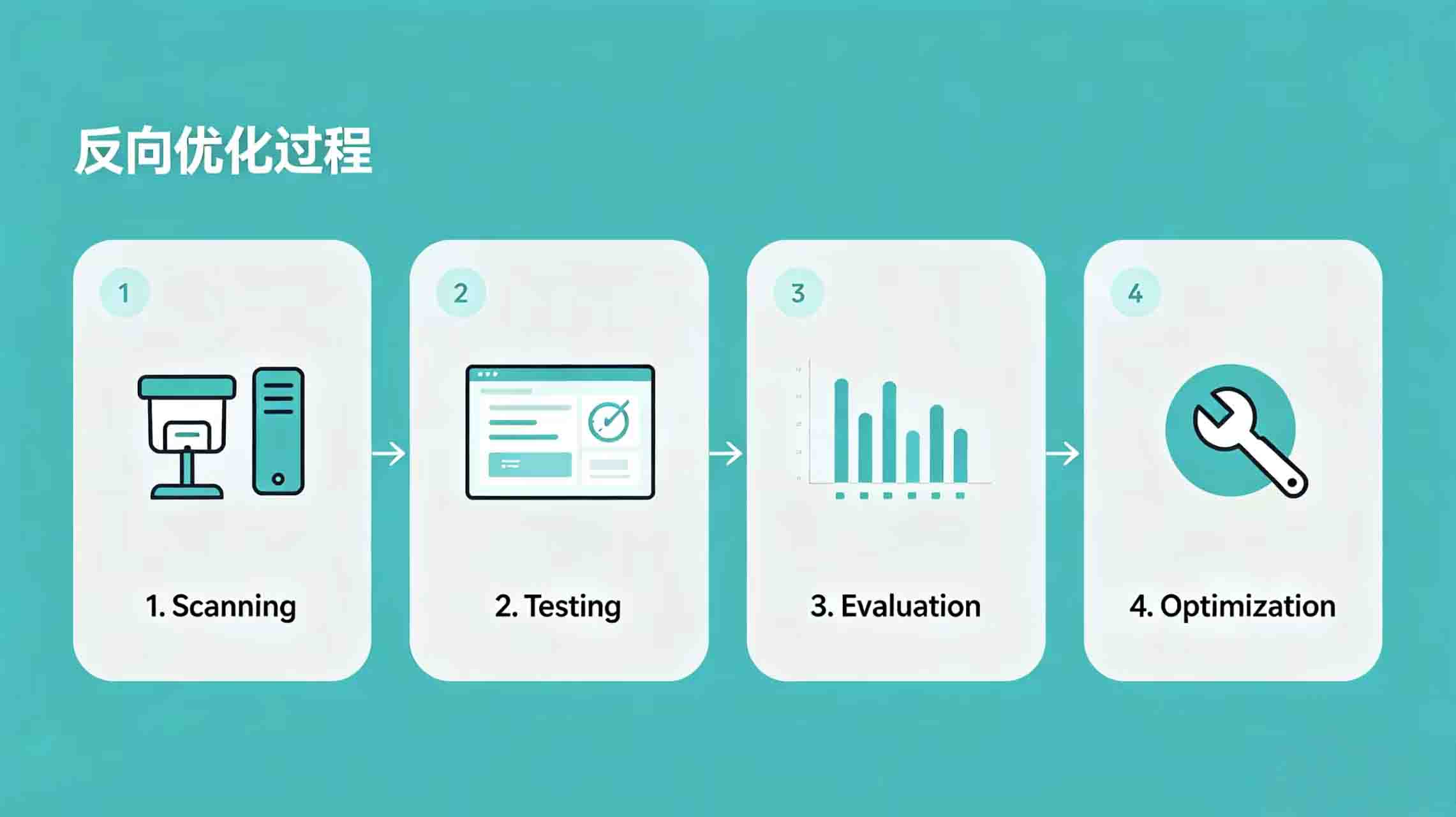
Upon receiving the sample, Mingbai Technology will:
· Measure dimensions and angles
· Test hardness and metallographic structure
· Evaluate whether the original design is reasonable based on working conditions
If the original design has flaws, such as excessively small edge angle on stainless steel strip slitting circular blade, we will proactively propose optimization rather than blindly copying.
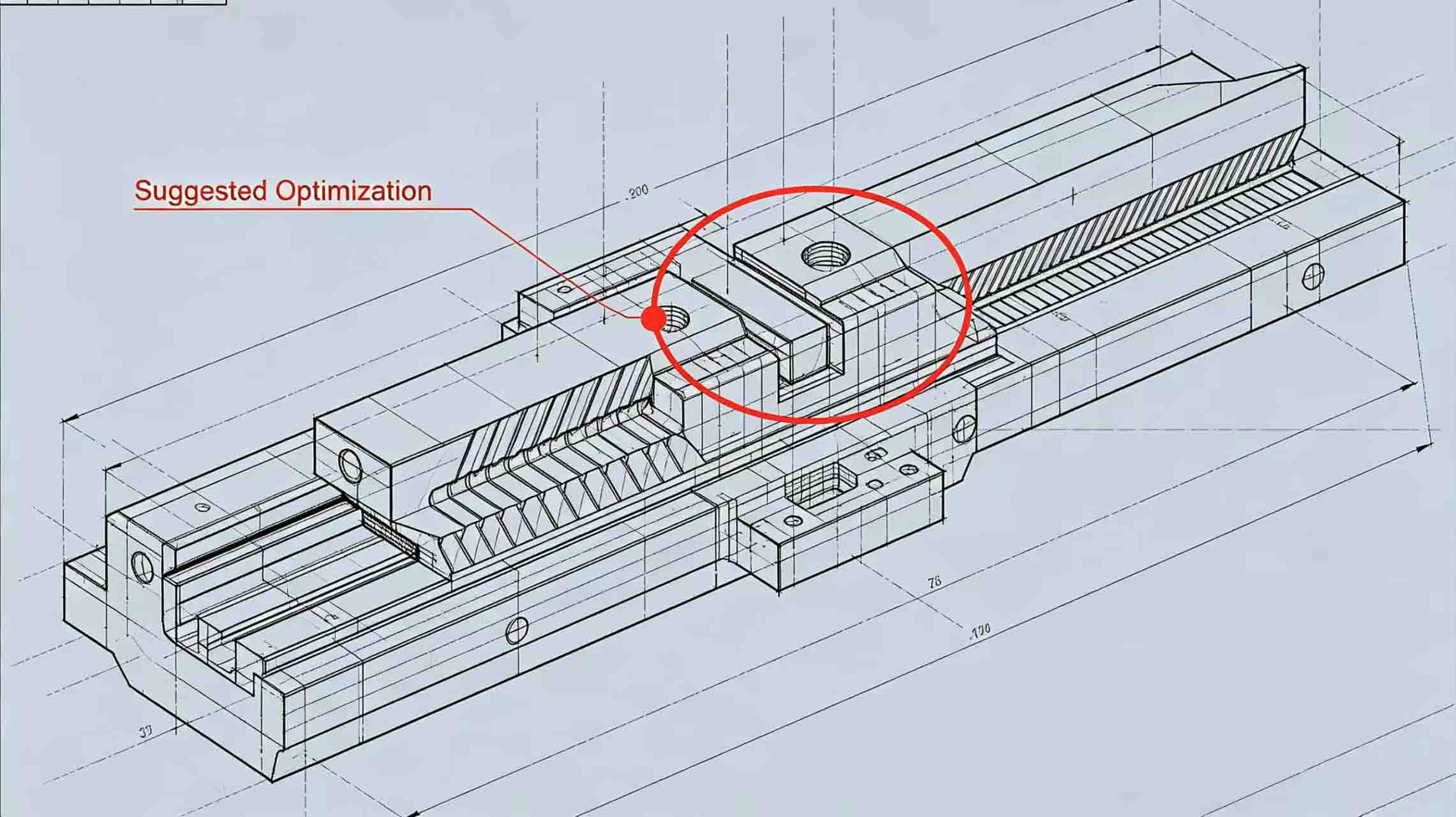
3. Prioritize original factory drawings
If original drawings are available, manufacture according to the drawings, using the old sample only as reference. When no drawings exist, Mingbai Technology can generate CAD drawings through reverse engineering and have you confirm them before production.
4. When Is Sample-Based Manufacturing the Best Choice?
· The original blade design has been very successful and has performed stably for years
· The original manufacturer has ceased production and cannot provide drawings
· The blade has a complex shape that cannot be fully expressed by drawings
5. Mingbai Technology's "Sample-Based Manufacturing" Process
1. Customer sends the old blade with working condition description
2. Mingbai laboratory performs 3D measurement and hardness testing
3. Reverse engineering drawings are issued with recommended optimization items marked
4. Production proceeds after customer confirmation, with first-article inspection before batch delivery
5. The old blade is returned with the shipment
Conclusion
"Sample-based manufacturing" is not simple replication, but "understanding" the usage history behind the old blade. Mingbai Technology does not stop at replication; we aim for optimization — making the new blade more durable and more suitable than the old sample. If you have sample-based manufacturing needs, feel free to contact our technical team.
Website: www.mingbaiblade.com
 IPv6 network supported |
Sitemap
|
Xml
|
Privacy Policy
IPv6 network supported |
Sitemap
|
Xml
|
Privacy Policy
leave a message
Scan to wechat :

Scan to whatsapp :
