Why Are Your Circular Blades Getting Dull So Fast? Are You Using the Wrong Circular Blades?
Mar 19, 2026
In industrial slitting and cutting operations, few things are more frustrating than experiencing premature blade dulling. When your Circular Blades lose their edge after only a short period of use, it doesn't just mean replacing blades more frequently—it means production downtime, inconsistent cut quality, rising operational costs, and frustrated operators.
If you find yourself asking, "Why do my circular blades keep dulling so quickly?" the answer may not lie in the blade quality itself, but in whether you're using the right blade for your specific application. At Mingbai Mechanical Tool Technology Co., Ltd., we've helped countless customers diagnose and solve premature blade failure. Here are the most common reasons your circular blades are dulling too fast—and how choosing the right custom circular blades for metal can make all the difference.
1. Material Mismatch: The Cause of Premature Dulling
The single most common reason circular blades dull quickly is simple: the blade material is not matched to the material being cut. Different workpiece materials have different hardness levels, abrasive characteristics, and chemical compositions—all of which interact with your blade's edge.
If you're cutting abrasive materials like fiberglass, carbon composites, or high-silicon electrical steels, standard tool steel blades will wear rapidly. These applications demand blades with higher wear resistance, such as those made from powdered metallurgy high-speed steel or carbide-tipped constructions.
Similarly, if you're cutting through stainless steel or other work-hardening materials, the blade must be tough enough to resist the localized hardening that occurs during cutting. Using standard carbon steel Circular Blades for these applications will result in rapid edge breakdown.
The Solution: Work with a manufacturer who offers custom circular blades for steel specifically engineered for ferrous metal cutting, with appropriate carbide types and edge geometries designed to withstand the challenges of steel processing.
2. Incorrect Hardness for Your Application
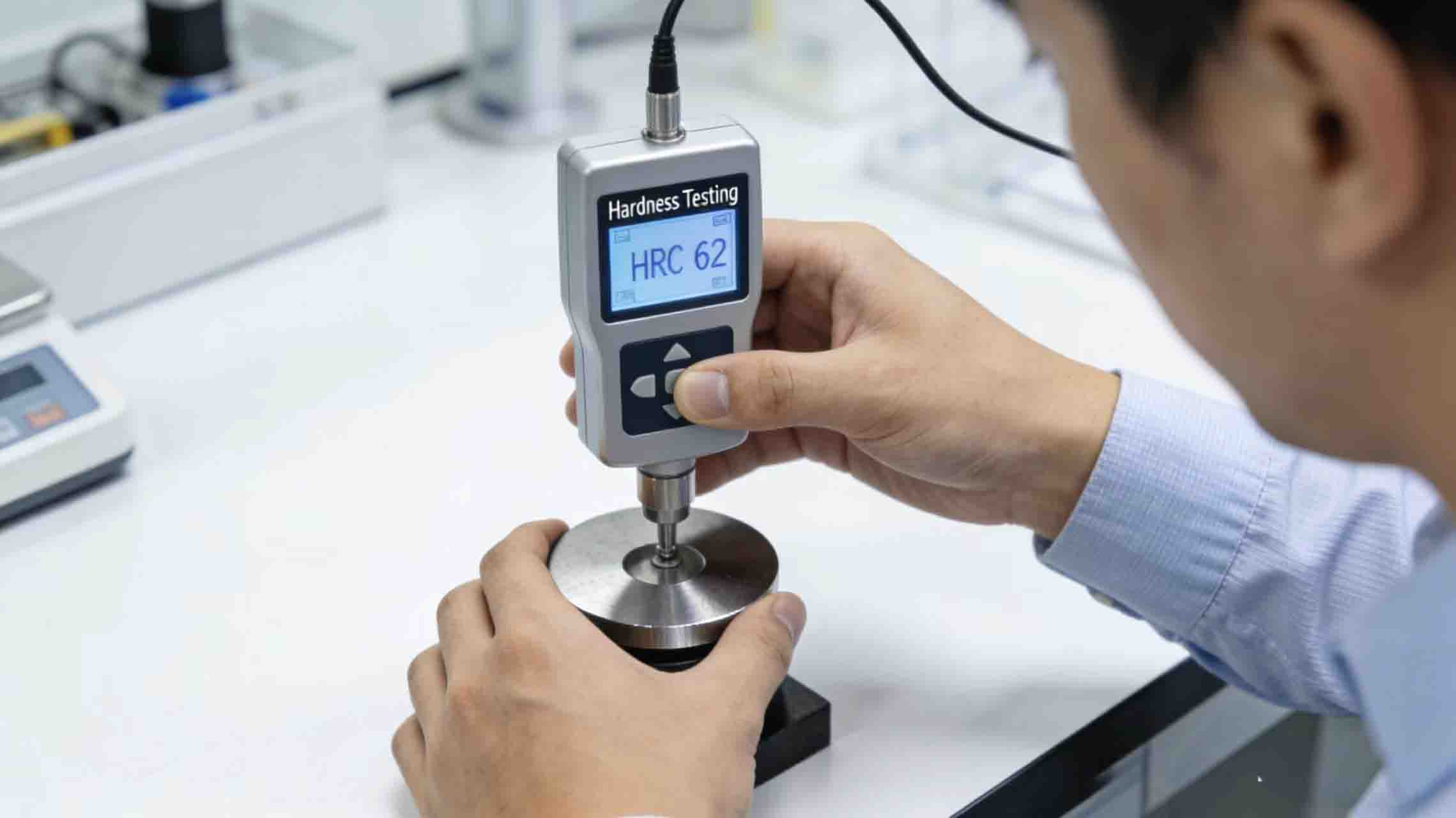
Blade hardness is a balancing act. Too soft, and the edge wears quickly. Too hard, and the blade becomes brittle, leading to chipping and micro-fractures that appear as rapid dulling.
Many operators assume that harder is always better. In reality, the optimal hardness depends on your specific cutting application. For high-impact cutting applications involving thick materials or interrupted cuts, a slightly softer but tougher blade may actually last longer than an ultra-hard blade that chips at the edge.
The Solution: Seek out custom circular blades high precision options where the hardness is precisely matched to your operational parameters, not just maxed out for marketing purposes.
3. Wrong Edge Geometry for Your Material
Blade geometry—including the sharpness angle, clearance angles, and edge radius—must be optimized for the specific material you're cutting. Using a blade designed for cutting soft plastics on abrasive materials will result in rapid edge deterioration.
For example:
· Cutting soft, gummy materials like copper or aluminum requires sharper edges with polished surfaces to prevent adhesion and reduce cutting forces
· Cutting abrasive materials requires more robust edge geometries that distribute wear across a larger area
· Cutting thin foils demands razor-sharp edges with minimal radius
· Cutting thick materials requires stronger edge angles to prevent fracture
Using a general-purpose blade with suboptimal geometry for your specific material will inevitably lead to faster dulling.
The Solution: Invest in custom circular blades for aluminum or other specific materials, with edge geometries engineered specifically for those applications.
4. Poor Surface Finish Leading to Friction and Heat
The surface finish of your circular blades directly impacts how quickly they dull. Rough blade surfaces increase friction between the blade and the material being cut. This friction generates heat—and heat is the enemy of blade hardness.
When blade temperatures rise due to excessive friction, even high-speed steel can lose its temper, resulting in rapid softening and accelerated wear. In extreme cases, the blade edge can actually anneal (soften) during operation, leading to catastrophic failure.
Poor surface finish also contributes to material adhesion, where workpiece material builds up on the blade edge. This built-up material effectively changes the blade geometry, increasing cutting forces and accelerating wear.
The Solution: Specify Circular Blades with mirror-like surface finishes, typically achieved through superfinishing or polishing operations after grinding.
5. Incorrect Clearance or Overlap Settings
Sometimes the blade isn't the problem—the setup is. Incorrect blade clearance (the gap between mating blades) or improper overlap settings can dramatically accelerate blade wear.
If the clearance is too tight, blades rub against each other, generating friction and heat that wear down both blades. If the clearance is too loose, the material is pinched and torn rather than cleanly cut, increasing cutting forces and edge stress.
Similarly, incorrect blade alignment causes uneven loading along the blade edge, concentrating wear on specific areas rather than distributing it evenly.
The Solution: Work with technical experts who understand not just blades, but the entire cutting system. Manufacturers offering custom circular blades heavy duty often provide setup recommendations based on extensive application experience.
6. Inadequate Lubrication or Cooling
Many cutting applications require proper lubrication or cooling to maintain blade performance. Without adequate lubrication, friction increases, temperatures rise, and blades dull faster.
This is particularly critical in high-speed applications or when cutting materials that work-harden, where heat management is essential to maintaining blade hardness.
The Solution: Evaluate your lubrication system and ensure it's delivering the right type and quantity of coolant for your specific operation.
7. Using "One-Size-Fits-All" Blades for Diverse Applications
Perhaps the most common mistake we see is operators using the same blade specifications for multiple different materials or applications. While this simplifies inventory management, it virtually guarantees that blades are suboptimal for at least some of your applications.
A blade that works reasonably well for cutting mild steel may perform poorly on stainless steel, wear quickly on abrasive materials, and chip on interrupted cuts.
The Solution: Consider developing a family of custom circular blades for metal applications, each optimized for specific material types and cutting conditions. The upfront investment in multiple blade specifications often pays for itself through extended blade life and improved cut quality.
How Mingbai Technology Can Help
At Mingbai Mechanical Tool Technology Co., Ltd., we specialize in engineering Circular Blades for specific applications, not just manufacturing generic products. Our approach begins with understanding your:
· Material type, thickness, and condition
· Cutting speeds and feed rates
· Equipment specifications and limitations
· Quality requirements and tolerance expectations
· Production volume and changeover constraints
From there, our engineers recommend the optimal blade material, hardness, geometry, and surface finish for your unique application. Whether you need custom circular blades high precision for ultra-tight tolerance work, custom circular blades heavy duty for demanding applications, or material-specific solutions like custom circular blades for aluminum or custom circular blades for steel, we have the expertise to deliver.
Signs You're Using the Wrong Circular Blades
Still not sure if your blade selection is the problem? Watch for these telltale signs:
· Inconsistent cut quality: Burrs, tear-outs, or rough edges that vary throughout the day
· Frequent adjustments: Constantly needing to reset blade positions or clearances
· Material deformation: Distortion, burning, or work-hardening at the cut edge
· Excessive dust or fines: More debris than expected for your material
· Equipment strain: Motors working harder, unusual vibrations, or temperature increases
If any of these sound familiar, it's time to reevaluate your circular blade selection.
Conclusion
Premature blade dulling is rarely just "bad luck" or poor blade quality. More often, it's a sign that your Circular Blades aren't optimally matched to your application. By understanding the factors that influence blade wear—material compatibility, hardness, geometry, surface finish, and operating conditions—you can make informed choices that extend blade life, improve cut quality, and reduce overall operating costs.
At Mingbai Mechanical Tool Technology Co., Ltd., we don't just sell blades—we provide cutting solutions. Contact us today to discuss your application, and let our experts help you select or design the perfect custom circular blades for metal for your specific needs. Because when you use the right blade, "premature dulling" becomes a thing of the past.
Website: www.mingbaiblade.com

 Email: Mb@mingbaiblade.com
 Tel.: +86-13855519988


 IPv6 network supported |
Sitemap
|
Xml
|
Privacy Policy
IPv6 network supported |
Sitemap
|
Xml
|
Privacy Policy


 en
en