 Email: Mb@mingbaiblade.com
 Tel.: +86-13855519988
Email: Mb@mingbaiblade.comTel.: +86-13855519988


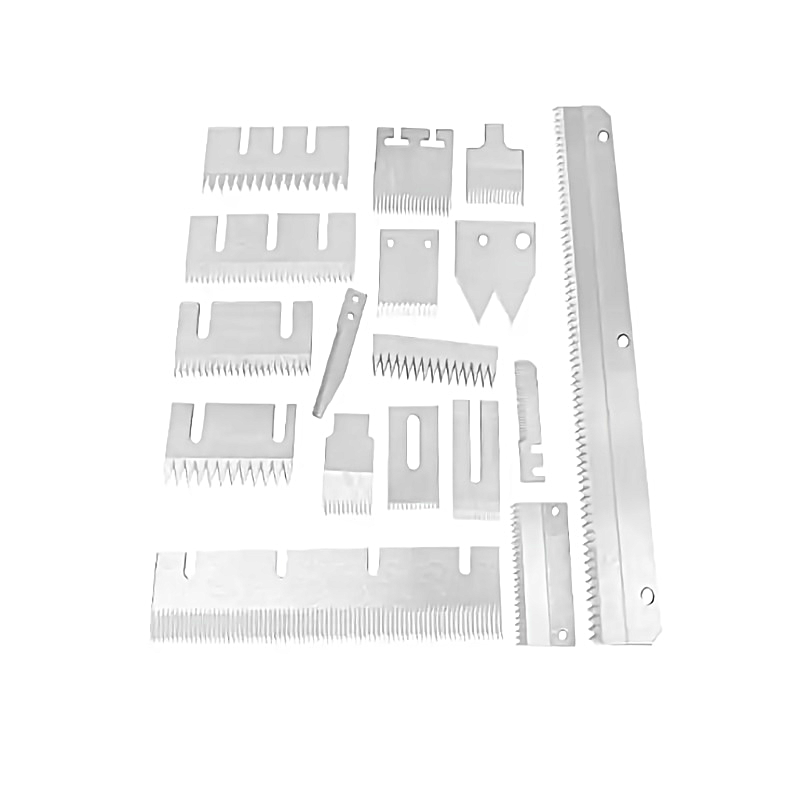
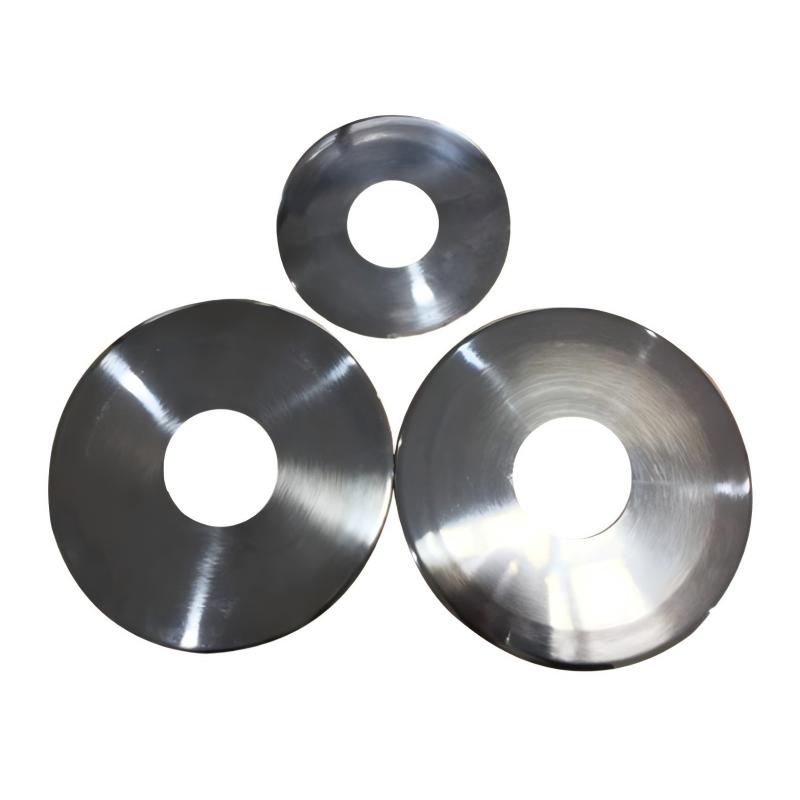
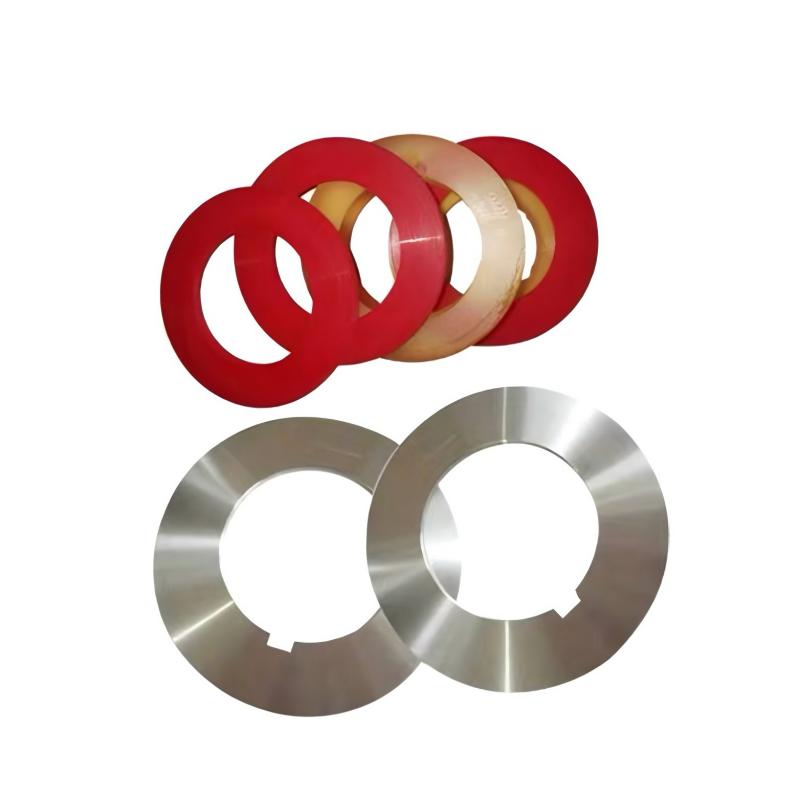
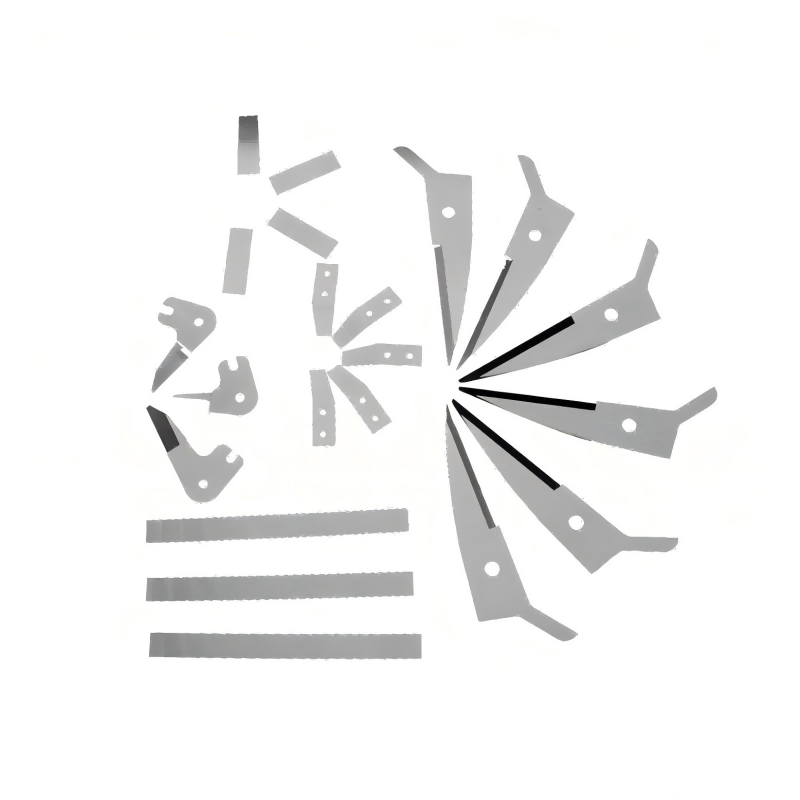
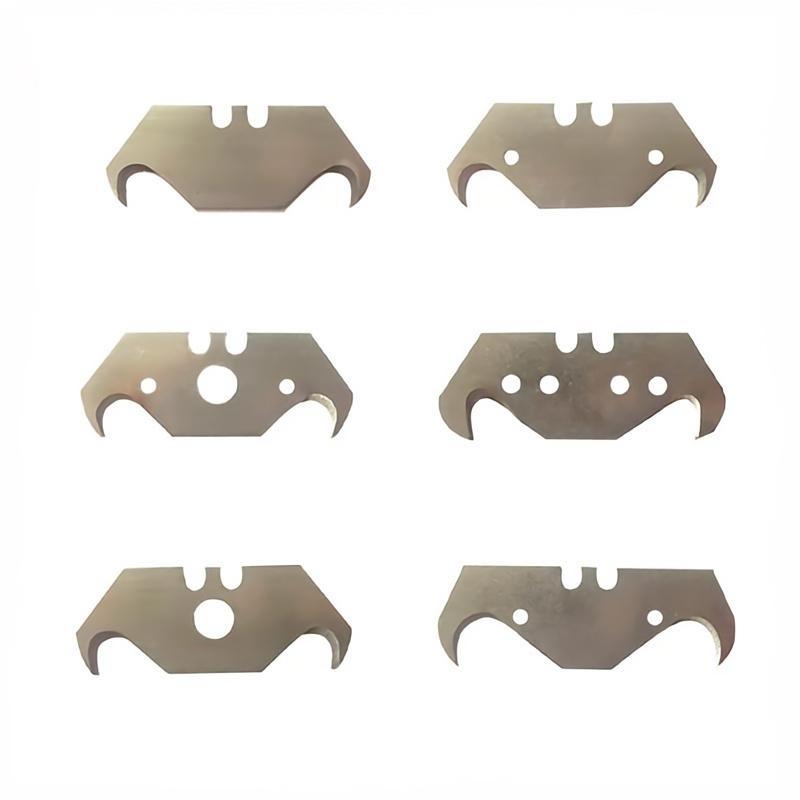
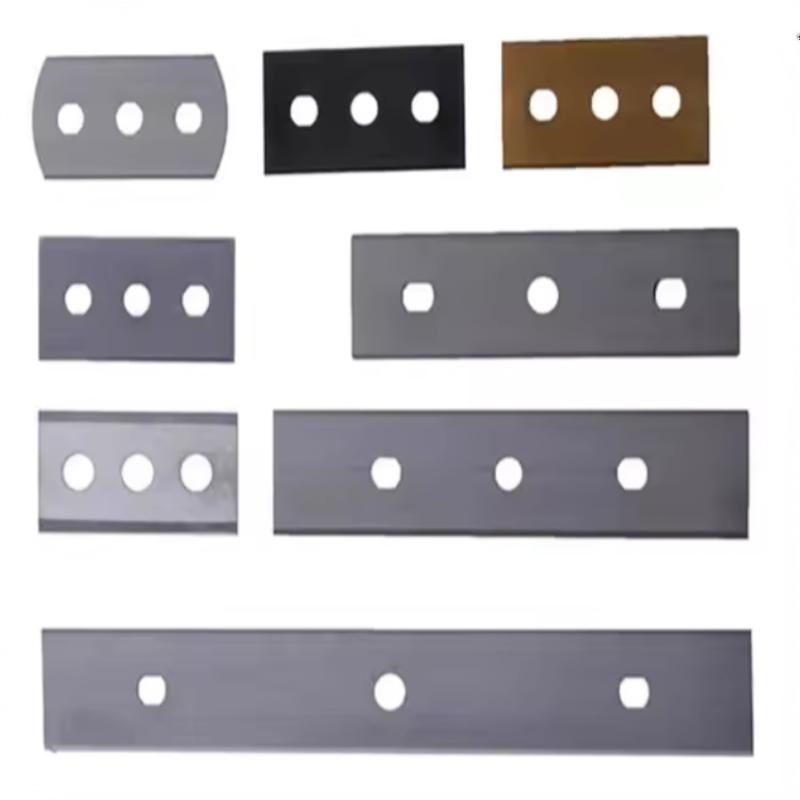
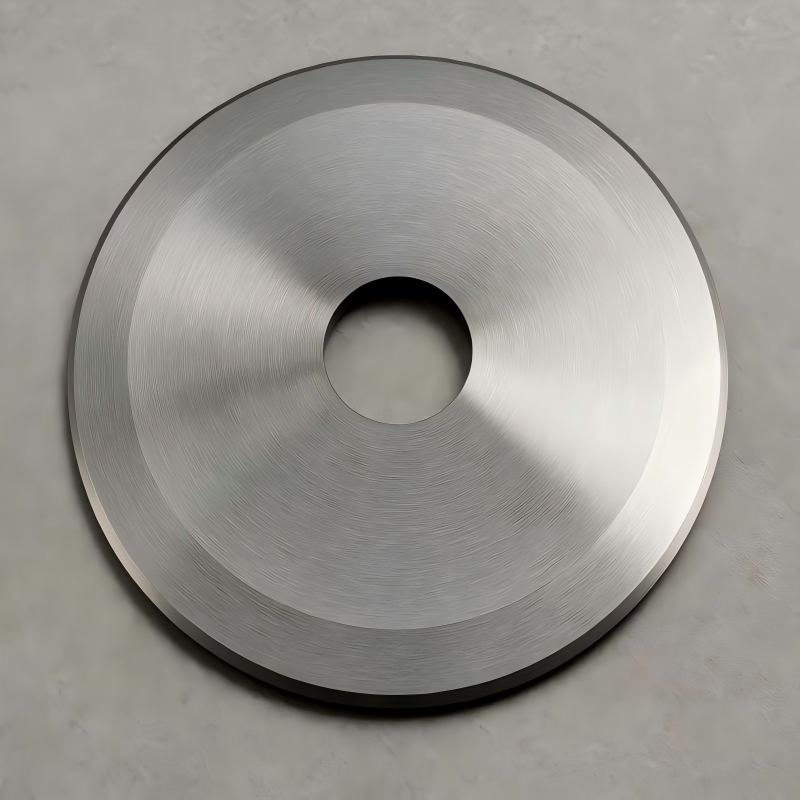
Recently, the R&D center of Mingbai Machinery Tool Technology Co., Ltd. announced a significant technological breakthrough. After nearly seven months of joint research with a well‑known domestic research institution, the company has successfully developed a new "CrAlN/TiSiN/AlCrTiSiON gradient multi‑layer composite coating" technology, which has been stably applied to core products including slitter shear blades, alloy blades, stainless steel blades, and circular knives. Tested by the National Cutting Tool Quality Supervision and Inspection Center and verified by multiple customers on‑site, blades coated with this new coating demonstrate a service life increase of over 150% compared to traditional coated blades under high‑speed dry cutting conditions, while cut surface quality is improved by more than 40%. This marks Mingbai's entry into the industry's leading ranks in tool coating technology.
Targeting Industry Pain Points: The Urgent Need to Overcome High‑Temperature Oxidation and Coating Peeling
Under high‑speed, heavy‑load conditions such as metal rolling and precision slitting, the working surface temperature of blades can reach 800‑1000°C. Traditional TiAlN, CrAlSiN, and other coatings face severe oxidation wear and interface failure under long‑term high‑temperature friction. Coating peeling and hardness degradation lead to a sharp drop in blade life, and frequent blade changes seriously affect production efficiency and machining quality. After conducting in‑depth research at multiple steel processing and new energy material slitting enterprises, the Mingbai R&D team officially initiated the project at the end of 2025, determined to overcome this core technical bottleneck restricting blade life.
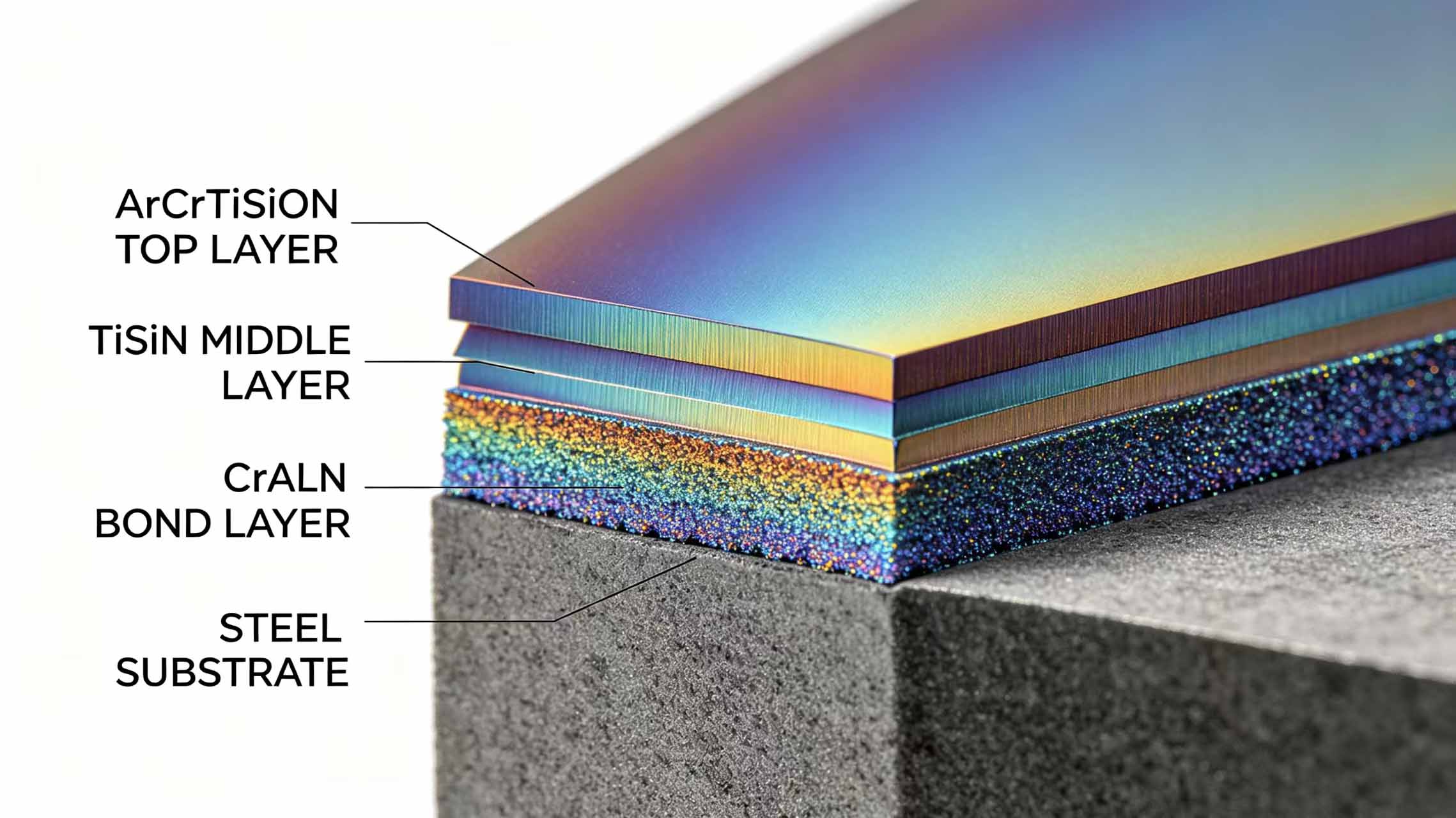
Gradient Multi‑Layer Design: From "Single Protection" to "Synergistic Enhancement"
Moving beyond traditional single‑layer or double‑layer coating design concepts, the R&D team innovatively proposed a technical route of "gradient transition + multi‑layer composite + pre‑oxidized protection." The coating structure from inside to outside consists of four layers. The bottom layer is CrAlN (chromium aluminum nitride), which provides strong adhesion to the steel substrate and a firm anchoring foundation. The intermediate layer is TiSiN (titanium silicon nitride), which offers high hardness and good thermal stability. The top layer is AlCrTiSiON (aluminum chromium titanium silicon oxynitride), which forms a dense oxide protective layer in situ on the coating surface through pre‑oxidation treatment, significantly enhancing the structural stability of the coating under high‑temperature oxidation environments. Nano‑scale gradient transition layers are set between each layer, with a total coating thickness controlled at 3‑5μm, effectively eliminating interlayer stress concentration and eliminating the risk of coating peeling.
Performance Leap: Comprehensive Leadership in Hardness, Temperature Resistance, and Friction Reduction
Testing shows that the new gradient multi‑layer composite coating achieves a hardness of over 3600 HV, an oxidation initiation temperature exceeding 950°C, and a friction coefficient as low as 0.22. In high‑speed dry cutting simulation tests, slitter shear blades coated with the new coating continuously slit 3mm thick stainless steel strip for over 25,000 meters, with edge wear only two‑fifths that of traditional TiAlN coated blades, representing a service life increase of over 150%. Even more encouraging, the cut surface roughness Ra value of the new coated blades is stably controlled at below 0.8μm, and burr height is reduced by 40% compared to traditional coated blades, achieving a leap forward in cutting quality.
Positive Customer Feedback, Mass Adoption Imminent
Currently, the new coating technology has been applied to multiple Mingbai core products and delivered to six customers for on‑machine testing. The production manager of a stainless steel strip processing enterprise in Jiangsu reported, "Mingbai's new coated blades ran continuously for five days and the cutting edges remained in good condition. The blade change frequency dropped from twice a day to once every two days, and the overall cost reduction is very significant." A new energy enterprise in Zhejiang stated that the new coated blades exceeded expectations when slitting high‑strength silicon steel and have decided to include Mingbai's coated blades in their annual procurement list.
Breaking Import Dependence, A Key Step in Coating Self‑Sufficiency
Previously, the coating process for some of Mingbai's high‑end blades required outsourcing, which not only incurred high costs but also made delivery times dependent on external suppliers. The successful development of the new gradient multi‑layer composite coating technology and the introduction of in‑house coating equipment have enabled the company to achieve self‑sufficient production of high‑end coating processes. According to estimates, in‑house coating can reduce the overall blade cost by approximately 25% and shorten delivery lead times by 5‑7 days. The company's technical head said, "Coating self‑sufficiency is a key step for Mingbai to improve its industrial chain and enhance core competitiveness. We will continue to deepen our work in the coating field, developing specialized coating solutions for different working conditions."
Continuous Innovation, Leading New Directions in Coating Technology
The company's R&D director said, "The successful development of the gradient multi‑layer composite coating is the result of Mingbai's long‑term accumulation in surface engineering. We will continue to deepen our research on coating processes, explore more new coating materials and structural designs, and continuously provide customers with products that offer longer life and lower cost." The company's general manager also emphasized that Mingbai will continue to invest more than 8% of annual sales revenue into R&D, driving high‑quality enterprise development through sustained technological innovation.
Website: www.mingbaiblade.com
 IPv6 network supported |
Sitemap
|
Xml
|
Privacy Policy
IPv6 network supported |
Sitemap
|
Xml
|
Privacy Policy
leave a message
Scan to wechat :

Scan to whatsapp :

 en
en