For Circular Blades, Should You Choose High-Speed Steel or Carbide?
May 15, 2026
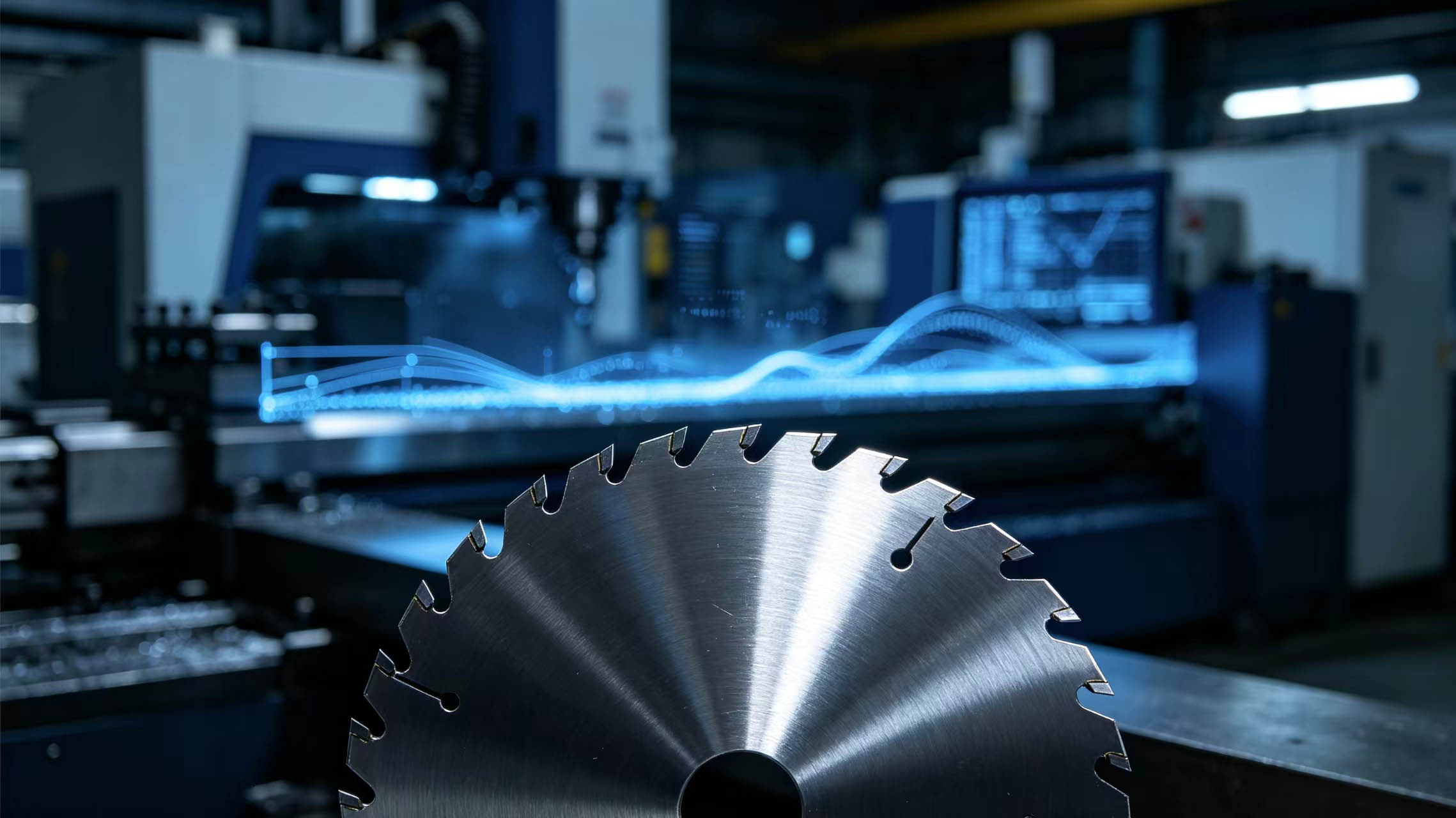
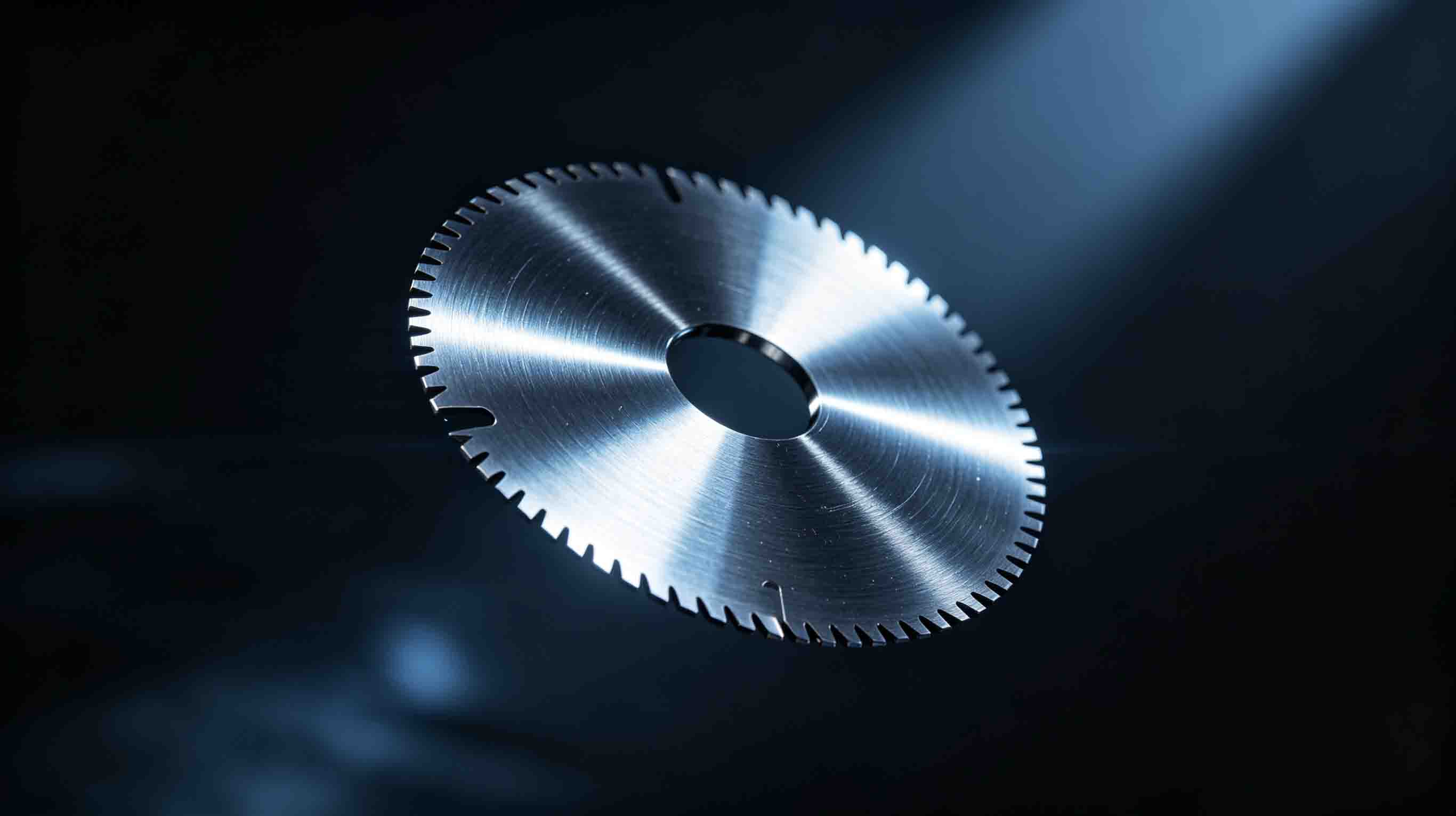
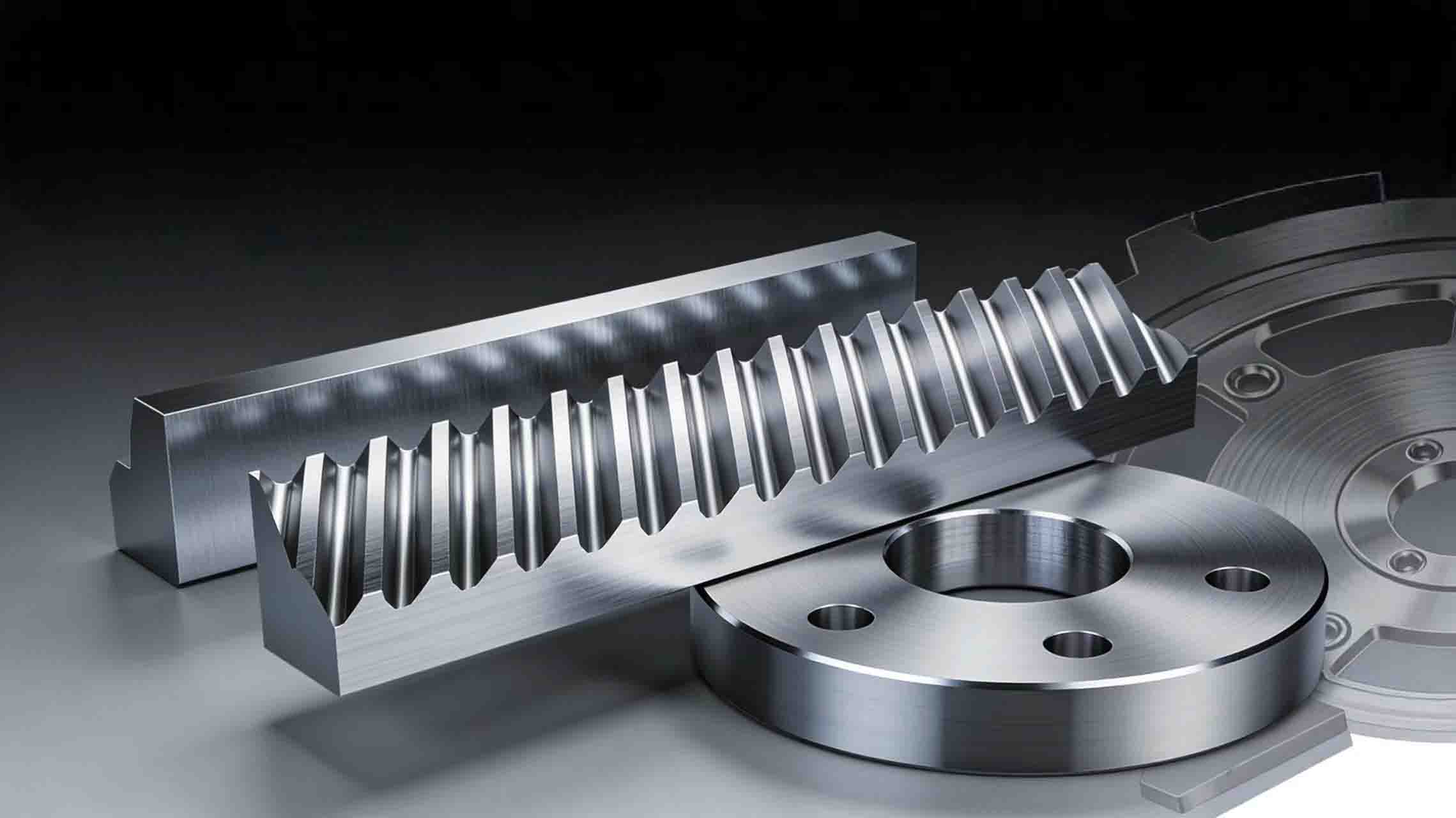
When customizing circular blades, material selection is the core issue determining blade performance and cost. High-speed steel and carbide are the two most commonly used materials, but their characteristics, applicable scenarios, and prices differ greatly. Choose correctly, and you achieve twice the result with half the effort. Choose incorrectly, and blade life is halved or equipment is damaged. Mingbai Mechanical Tool Technology Co., Ltd., based on years of material application data, provides you with a detailed comparison of the advantages and disadvantages of these two materials to help you make a reasonable choice.
1. High-Speed Steel Circular Blades: Toughness is King
High-speed steel is a tool steel alloyed with elements such as tungsten, molybdenum, chromium, and vanadium. Representative grades include M2, M35, M42, and ASP2053.
Advantages: High-speed steel has excellent toughness, strong impact resistance, and is not prone to chipping. It is particularly suitable for working conditions with impact loads, such as when material thickness fluctuates greatly or when there are joints. Its resharpening ability is very good, with little performance degradation after multiple resharpening cycles, resulting in long total life. In terms of cost, for the same specifications, the price of high-speed steel is about one-third to one-half that of carbide. Additionally, high-speed steel is easy to machine and can be made into complex-shaped custom blades and special-shaped blades.
Disadvantages: High-speed steel has relatively insufficient wear resistance. When cutting highly abrasive materials such as fiberglass or silicon steel, it wears relatively quickly. Its red hardness is limited; when cutting at high speeds, if the temperature exceeds 550-600°C, it will soften.
Applicable scenarios: High-speed steel is suitable for slitting common metals such as ordinary carbon steel, stainless steel, copper, and aluminum. It is suitable for working conditions with large material thickness fluctuations or joints, for applications requiring frequent resharpening, and for mechanical blades with complex shapes.
2. Carbide Circular Blades: Wear Resistance is King
Carbide is a composite material made from tungsten carbide and a binder phase such as cobalt through powder metallurgy. Representative grades include YG6X, YG8, YG15, and KD20.
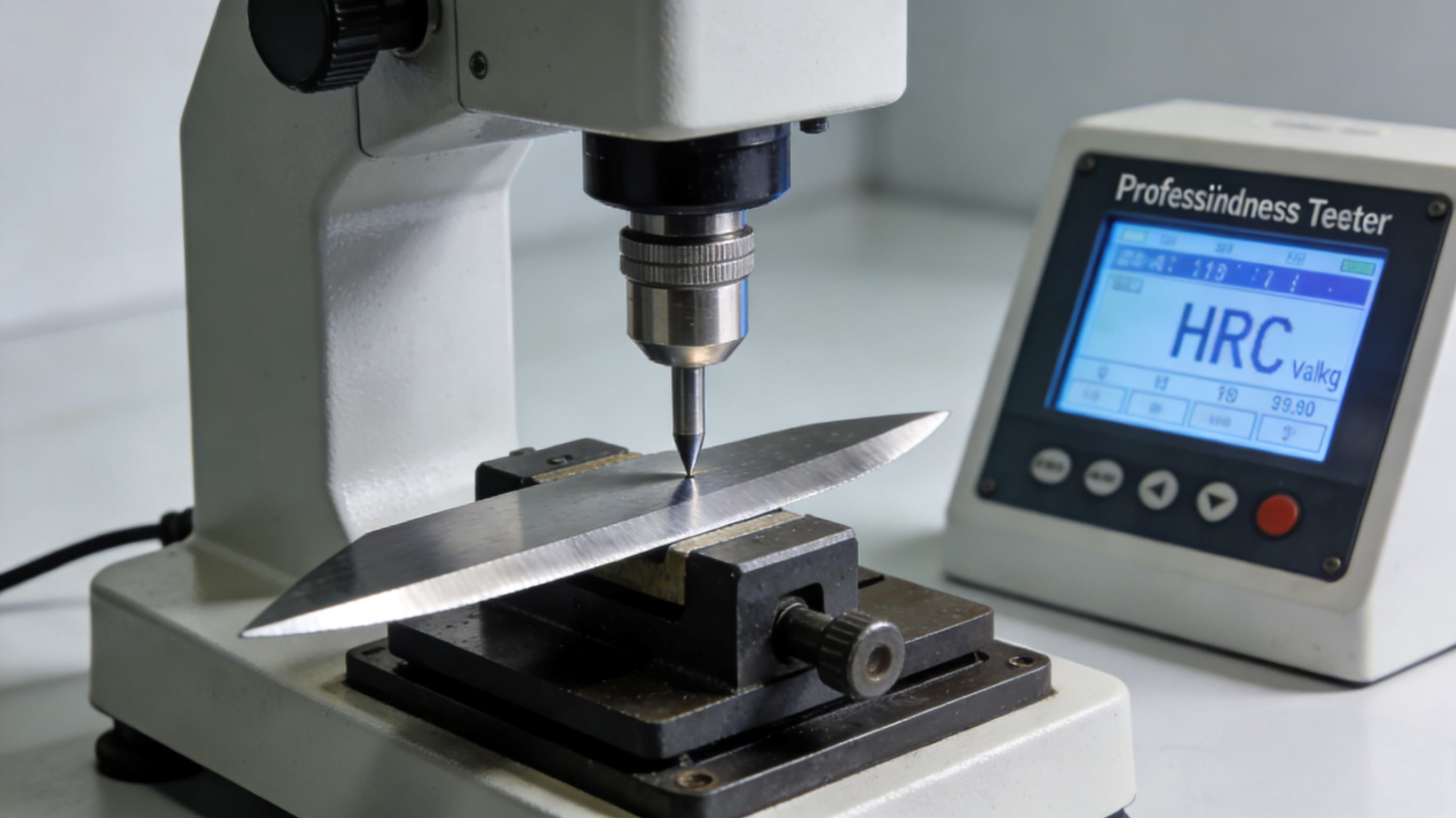
Advantages: Carbide has ultra-high hardness, reaching HRA89-93.5, equivalent to HRC70-78, with excellent wear resistance. Its red hardness is very good, maintaining hardness at high temperatures of 800-1000°C, making it suitable for high-speed cutting. Under the same working conditions, the life of carbide blades is typically 3 to 10 times that of high-speed steel.
Disadvantages: Carbide has poor toughness, is very brittle, and has weak impact resistance. It is prone to chipping when encountering hard spots or sudden thickness changes. Cost is high, with material prices and processing difficulty far exceeding those of high-speed steel. Resharpening is difficult, requiring specialized diamond grinding wheels, and the resharpening cost is high.
Applicable scenarios: Carbide is suitable for highly abrasive materials such as silicon steel sheets, fiberglass boards, and composite materials. It is suitable for high-speed slitting exceeding 150 meters per minute, for ultra-thin materials below 0.3 millimeters requiring extremely sharp and wear-resistant edges, and for automated production lines requiring ultra-long life and reduced blade change frequency.
3. Comparison of Characteristics
In terms of hardness, high-speed steel ranges from HRC58-67, while carbide ranges from HRA89-93.5, equivalent to HRC70-78, making carbide significantly harder. In impact resistance, high-speed steel is excellent, while carbide is poor. In wear resistance, high-speed steel is good, while carbide is excellent. In red hardness, high-speed steel can only withstand 550-600°C, while carbide can withstand 800-1000°C. In resharpening ability, high-speed steel is easy and can be done with ordinary grinding wheels, while carbide is difficult and requires diamond wheels. In cost, high-speed steel is low, while carbide is high, approximately 3 to 5 times that of high-speed steel. In typical life, using high-speed steel as a baseline of 1, carbide can achieve 3 to 10 times that life.
4. How to Choose?
First, consider whether the working conditions involve impact. If material thickness fluctuation exceeds plus or minus 10 percent, or if the material has weld marks or joints, or if equipment rigidity is insufficient, high-speed steel should be chosen.
Second, consider material abrasiveness. For silicon steel, fiberglass, and composite materials, carbide should be chosen. For continuous cutting of stainless steel, both are acceptable, but high-speed steel offers better cost performance. For ordinary carbon steel, copper, and aluminum, high-speed steel is sufficient.
Finally, consider speed and life requirements. If speed exceeds 150 meters per minute, or if an automated production line requires reduced blade change frequency, carbide should be chosen. If the budget is limited and frequent blade changes are acceptable, high-speed steel is a reasonable choice.
5. Mingbai Technology's Material Combination Solutions
We offer a variety of material options including alloy blades, stainless steel blades, and circular blades, as well as customized composite solutions. Carbide-tipped circular blades use a high-speed steel body with a carbide-tipped edge, combining toughness and wear resistance. Coated high-speed steel applies PVD coatings such as TiAlN or AlCrN to a high-speed steel substrate, increasing wear resistance by 2 to 3 times with excellent cost performance. Gradient carbide uses high cobalt content at the edge for increased toughness and low cobalt content in the body for high hardness, balancing chip resistance and wear resistance.
6. Case Study
A silicon steel sheet slitting plant originally used high-speed steel circular blades and changed blades every 2 days. After switching to carbide alloy blades, the blade change interval extended to 15 days. Although the per-blade cost increased, total downtime decreased by 70 percent, and overall costs dropped by 45 percent.
Another wire and cable plant mistakenly used carbide blades for slitting copper strip. When encountering material joints, severe chipping occurred. After switching back to high-speed steel custom blades, the problem was immediately resolved.
Conclusion
There is no absolute "which is better" between high-speed steel and carbide; only "which is more suitable." The toughness, resharpening ability, and low cost of high-speed steel make it the first choice for most conventional working conditions. The wear resistance and red hardness of carbide are irreplaceable in highly abrasive and high-speed scenarios. Mingbai Mechanical Tool Technology Co., Ltd. can provide a free recommendation for the optimal material solution based on your specific material, equipment, and budget.
Website: www.mingbaiblade.com

 Email: Mb@mingbaiblade.com
 Tel.: +86-13855519988


 IPv6 network supported |
Sitemap
|
Xml
|
Privacy Policy
IPv6 network supported |
Sitemap
|
Xml
|
Privacy Policy


 en
en