Home

High-speed steel blades

High-speed steel blades

  • For Circular Blades, Should You Choose High-Speed Steel or Carbide?
    May 15, 2026
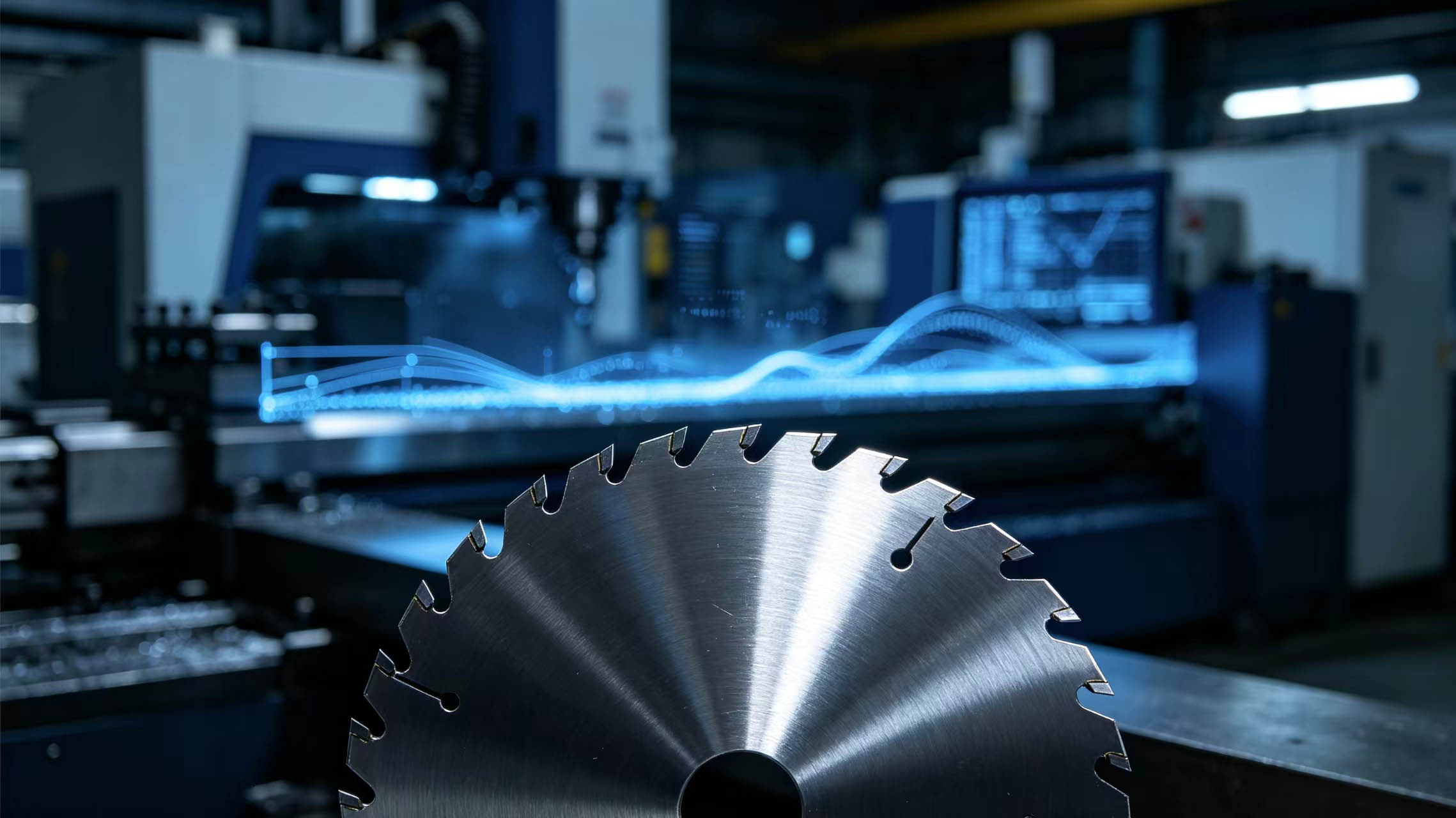
    When customizing circular blades, material selection is the core issue determining blade performance and cost. High-speed steel and carbide are the two most commonly used materials, but their characteristics, applicable scenarios, and prices differ greatly. Choose correctly, and you achieve twice the result with half the effort. Choose incorrectly, and blade life is halved or equipment is damaged. Mingbai Mechanical Tool Technology Co., Ltd., based on years of material application data, provides you with a detailed comparison of the advantages and disadvantages of these two materials to help you make a reasonable choice.     1. High-Speed Steel Circular Blades: Toughness is King   High-speed steel is a tool steel alloyed with elements such as tungsten, molybdenum, chromium, and vanadium. Representative grades include M2, M35, M42, and ASP2053.     Advantages: High-speed steel has excellent toughness, strong impact resistance, and is not prone to chipping. It is particularly suitable for working conditions with impact loads, such as when material thickness fluctuates greatly or when there are joints. Its resharpening ability is very good, with little performance degradation after multiple resharpening cycles, resulting in long total life. In terms of cost, for the same specifications, the price of high-speed steel is about one-third to one-half that of carbide. Additionally, high-speed steel is easy to machine and can be made into complex-shaped custom blades and special-shaped blades.   Disadvantages: High-speed steel has relatively insufficient wear resistance. When cutting highly abrasive materials such as fiberglass or silicon steel, it wears relatively quickly. Its red hardness is limited; when cutting at high speeds, if the temperature exceeds 550-600°C, it will soften.   Applicable scenarios: High-speed steel is suitable for slitting common metals such as ordinary carbon steel, stainless steel, copper, and aluminum. It is suitable for working conditions with large material thickness fluctuations or joints, for applications requiring frequent resharpening, and for mechanical blades with complex shapes.   2. Carbide Circular Blades: Wear Resistance is King   Carbide is a composite material made from tungsten carbide and a binder phase such as cobalt through powder metallurgy. Representative grades include YG6X, YG8, YG15, and KD20.     Advantages: Carbide has ultra-high hardness, reaching HRA89-93.5, equivalent to HRC70-78, with excellent wear resistance. Its red hardness is very good, maintaining hardness at high temperatures of 800-1000°C, making it suitable for high-speed cutting. Under the same working conditions, the life of carbide blades is typically 3 to 10 times that of high-speed steel.   Disadvantages: Carbide has poor toughness, is very brittle, and has weak impact resistance. It is prone to chipping when encountering hard spots or sudden thickness changes. Cost is high, with material prices and processing difficulty far exceeding those of high-speed steel. Resharpening is difficult, requiring specialized diamond grinding wheels, and the resharpening cost is high.   Applicable scenarios: Carbide is suitable for highly abrasive materials such as silicon steel sheets, fiberglass boards, and composite materials. It is suitable for high-speed slitting exceeding 150 meters per minute, for ultra-thin materials below 0.3 millimeters requiring extremely sharp and wear-resistant edges, and for automated production lines requiring ultra-long life and reduced blade change frequency.   3. Comparison of Characteristics   In terms of hardness, high-speed steel ranges from HRC58-67, while carbide ranges from HRA89-93.5, equivalent to HRC70-78, making carbide significantly harder. In impact resistance, high-speed steel is excellent, while carbide is poor. In wear resistance, high-speed steel is good, while carbide is excellent. In red hardness, high-speed steel can only withstand 550-600°C, while carbide can withstand 800-1000°C. In resharpening ability, high-speed steel is easy and can be done with ordinary grinding wheels, while carbide is difficult and requires diamond wheels. In cost, high-speed steel is low, while carbide is high, approximately 3 to 5 times that of high-speed steel. In typical life, using high-speed steel as a baseline of 1, carbide can achieve 3 to 10 times that life.     4. How to Choose?   First, consider whether the working conditions involve impact. If material thickness fluctuation exceeds plus or minus 10 percent, or if the material has weld marks or joints, or if equipment rigidity is insufficient, high-speed steel should be chosen.   Second, consider material abrasiveness. For silicon steel, fiberglass, and composite materials, carbide should be chosen. For continuous cutting of stainless steel, both are acceptable, but high-speed steel offers better cost performance. For ordinary carbon steel, copper, and aluminum, high-speed steel is sufficient.   Finally, consider speed and life requirements. If speed exceeds 150 meters per minute, or if an automated production line requires reduced blade change frequency, carbide should be chosen. If the budget is limited and frequent blade changes are acceptable, high-speed steel is a reasonable choice.     5. Mingbai Technology's Material Combination Solutions   We offer a variety of material options including alloy blades, stainless steel blades, and circular blades, as well as customized composite solutions. Carbide-tipped circular blades use a high-speed steel body with a carbide-tipped edge, combining toughness and wear resistance. Coated high-speed steel applies PVD coatings such as TiAlN or AlCrN to a high-speed steel substrate, increasing wear resistance by 2 to 3 times with excellent cost performance. Gradient carbide uses high cobalt content at the edge for increased toughness and low cobalt content in the body for high hardness, balancing chip resistance and wear resistance.   6. Case Study   A silicon steel sheet slitting plant originally used high-speed steel circular blades and changed blades every 2 days. After switching to carbide alloy blades, the blade change interval extended to 15 days. Although the per-blade cost increased, total downtime decreased by 70 percent, and overall costs dropped by 45 percent.   Another wire and cable plant mistakenly used carbide blades for slitting copper strip. When encountering material joints, severe chipping occurred. After switching back to high-speed steel custom blades, the problem was immediately resolved.   Conclusion   There is no absolute "which is better" between high-speed steel and carbide; only "which is more suitable." The toughness, resharpening ability, and low cost of high-speed steel make it the first choice for most conventional working conditions. The wear resistance and red hardness of carbide are irreplaceable in highly abrasive and high-speed scenarios. Mingbai Mechanical Tool Technology Co., Ltd. can provide a free recommendation for the optimal material solution based on your specific material, equipment, and budget. Website: www.mingbaiblade.com

  • Why the Packaging Industry Prefers Toothed Blade Structures
    Mar 11, 2026
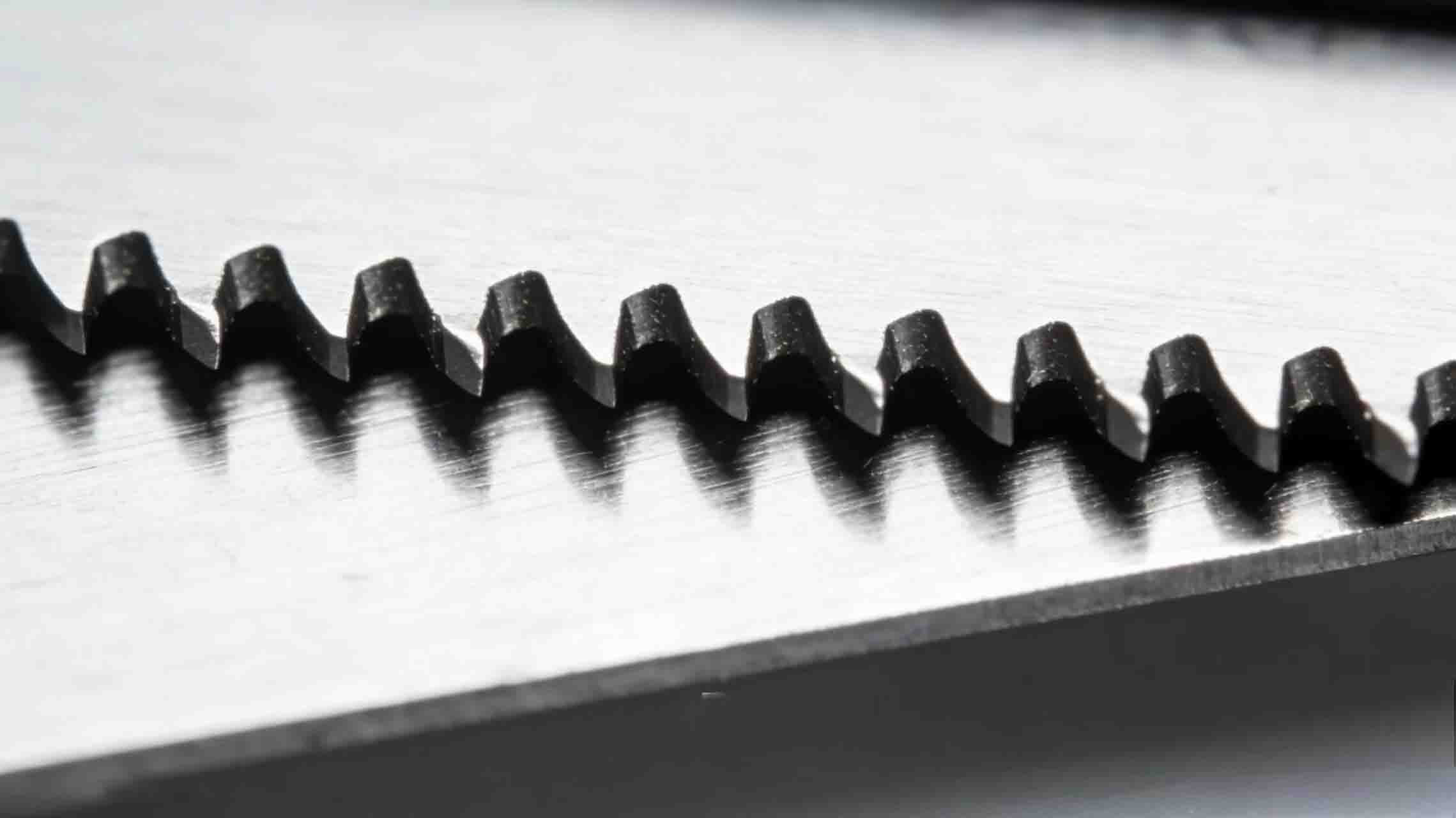
    On the production lines for food packaging, pharmaceutical packaging, and daily consumer goods packaging, the precision and efficiency of the cutting process directly impact the final product quality and production costs. Attentive equipment engineers may notice that key cutting components on vertical packaging machines, bag making machines, and carton sealers often feature blades with fine serrated edges—this is what the industry commonly refers to as packaging toothed blades.   So why does the packaging industry favor serrated blades so much? What technical secrets lie within this seemingly simple tooth structure? Today, Mingbai Machinery Blade Technology will analyze the deep-seated reasons behind the packaging industry's preference for toothed blade structures from the perspectives of materials science and cutting processes.   What are Packaging Toothed Blades?   Packaging toothed blades are industrial cutting blades featuring a continuous serrated structure, primarily used for slitting materials and cutting seals on packaging machinery. Their core characteristic is the machined, regularly arranged micro-teeth on the cutting edge. These teeth can be V-shaped, wavy, or multi-tooth configurations, varying according to the specific application scenario.   In terms of applications, packaging toothed blades are widely used in packaging machinery such as pillow packaging machines, sachet machines, bag making machines, carton sealers, and tape dispensers. Whether it's the everyday food packaging bags we see, pharmaceutical packaging, or tape cutting in the express delivery industry, precise work by toothed blades is indispensable.   Three Core Advantages of the Toothed Blade Structure 1. Tearing-Type Cutting: Perfectly Handles Flexible Materials   The materials processed in the packaging industry are mostly flexible substances—plastic bags, composite films, aluminum foil, paper, etc. Traditional straight-edged blades often face a dilemma when cutting these materials: the material tends to be compressed, stretched, or even torn, resulting in uneven cuts.   Serrated blades, however, employ a completely different cutting principle. When the toothed blade contacts the material, the tooth tips form high-density stress points, achieving separation through a combined "tearing + shearing" action. This cutting method significantly reduces the tensile deformation of the material, making it especially suitable for cutting soft materials like wash care labels and fabric labels.   One equipment engineer vividly analogized: "A straight blade 'presses down to cut,' while a serrated blade 'tears apart to cut'—for soft materials, the latter is clearly smarter." 2. Burr-Free Cutting: Enhances Packaging Aesthetics   In the fields of food and pharmaceutical packaging, the cleanliness of the cut directly affects the product's seal integrity and shelf appearance. Burr-free cutting is another core advantage of packaging toothed blades.   Due to the stress concentration effect of the serrated structure, the material is precisely separated at the tooth tips, avoiding the tensile burrs that straight blades might produce. After precision grinding, the flatness of toothed blades can be controlled within 0.01mm, and the teeth are sharp and wear-resistant, ensuring clean, burr-free cut products. This is particularly crucial for high-speed automated packaging lines—burrs not only affect appearance but can also lead to poor subsequent sealing, causing product rejection. 3. Reduces Material Curling and Adhesion   On high-speed packaging lines, another common problem is the curling or adhesion of materials after cutting. Especially for plastic film materials, the thermal effects and mechanical stress during cutting can easily cause the cut edges to curl, affecting subsequent processes.   V-tooth blade technology can effectively solve this problem. According to research by foreign blade manufacturers, optimized tooth designs can reduce material tearing and curling while extending blade life. This means lower downtime for changes and higher production efficiency.   Material and Process: Guaranteeing Toothed Blade Performance   The performance of packaging toothed blades depends not only on tooth design but also critically on material selection and heat treatment processes.   Diverse Materials for Different Needs   Depending on the cutting object, packaging toothed blades can use various materials: · High-Speed Steel (HSS) : Widely used for cutting food packaging bags, offering excellent cutting efficiency. · SKD-11, Cr12Mov : Provide a good balance of hardness and wear resistance. · 420-J2, SUS-440C : Stainless steel materials, suitable for applications requiring rust prevention. · ASP-60 : Powder metallurgy high-speed steel, offering longer service life, ideal for high-load continuous production.   Precision Heat Treatment Ensures Durability   High-quality packaging toothed blades must undergo strict heat treatment processes. For example, bag making machine blades produced by Mingbai Machinery Blade Technology, after quenching and cryogenic treatment, achieve a hardness of HRC 61°-63°, maintaining sharpness while possessing sufficient toughness to resist impact.   Typical Applications of Toothed Blades in Packaging Machinery   1. Bag Making Machines and Carton Sealers   In bag making machines, toothed blades are responsible for cutting after the bag is formed. Whether for vests bags, roll bags, or food bags, toothed blades are needed to provide clean, neat cuts. The tape cutting blades used in carton sealers also adopt a toothed design, ensuring the tape can be easily torn without damaging the carton. 2. Vertical Packaging Machines   Vertical packaging machines, widely used in food and pharmaceutical packaging, typically use straight-line toothed blades as their key cutting components. These blades require extremely high flatness and sharpness to adapt to high-speed continuous production.   3. Rotary Cutters   For applications requiring continuous cutting, slitting circular knives often feature a toothed design. The rotary cutting method combined with the toothed structure can handle flexible materials like wash labels and fabric labels with higher efficiency, while minimizing the risk of material deformation.   Mingbai Machinery Blade's Toothed Blade Solutions   As a professional industrial blade manufacturer, Mingbai Machinery Blade Technology Co., Ltd. understands the differentiated requirements for cutting tools across various packaging processes. Our packaging toothed blades series products feature:   · Customized Tooth Design : Offering V-tooth, wavy tooth, multi-tooth configurations, and other options based on the characteristics of the customer's packaging materials. · High-Quality Materials : Utilizing SKD-11, high-speed steel, powder metallurgy steel, and other materials to match different wear resistance needs. · Precision Machining Process : Employing multi-axis grinders to ensure tooth consistency and cutting edge sharpness. · Strict Quality Control System : Every blade undergoes hardness testing and cutting tests before leaving the factory. Conclusion   The packaging industry's preference for toothed blade structures is no accident. From adaptability to flexible materials, to quality assurance through burr-free cutting, to productivity gains from reduced curling, toothed blades, with their unique technical advantages, have become indispensable core components of modern packaging machinery.   As packaging materials become increasingly diverse and packaging speeds continue to rise, performance requirements for toothed blades will also grow. Mingbai Machinery Blade will continue to focus on optimizing and innovating blade materials and tooth structures, providing the packaging industry with more efficient and durable cutting solutions.   If you have customization needs for packaging toothed blades, bag making machine blades, or other serrated blades, please feel free to contact Mingbai Machinery Blade Technology Co., Ltd. Our technical team will provide professional selection advice and customized services. Website: www.mingbaiblade.com
Leave A Message
If you are interested in our products and want to know more details,please leave a message here,we will reply you as soon as we can.
submit

leave a message

leave a message
If you are interested in our products and want to know more details,please leave a message here,we will reply you as soon as we can.
submit

home

products

WhatsApp

Contact Us