How to Determine the Material Grade and Performance Differences of Blades
Jan 28, 2026
In the world of precision machining, the blade, though small, is the core component determining efficiency, quality, and cost. Faced with a vast market of diverse and variably priced blades, how can one quickly assess their intrinsic "true quality"? Understanding the differences in blade material grades and performance is not only key to selecting the right tool but also fundamental to achieving efficient production and cost control. This article will unveil the mystery of blade materials and provide a practical framework for judgment.
Five Key Indicators of Core Performance
To judge the quality of blade materials, one must first understand the five core indicators that determine their performance: hardness, toughness, wear resistance, corrosion resistance, and red hardness. These interconnected indicators collectively define a blade's "character" and "capability."
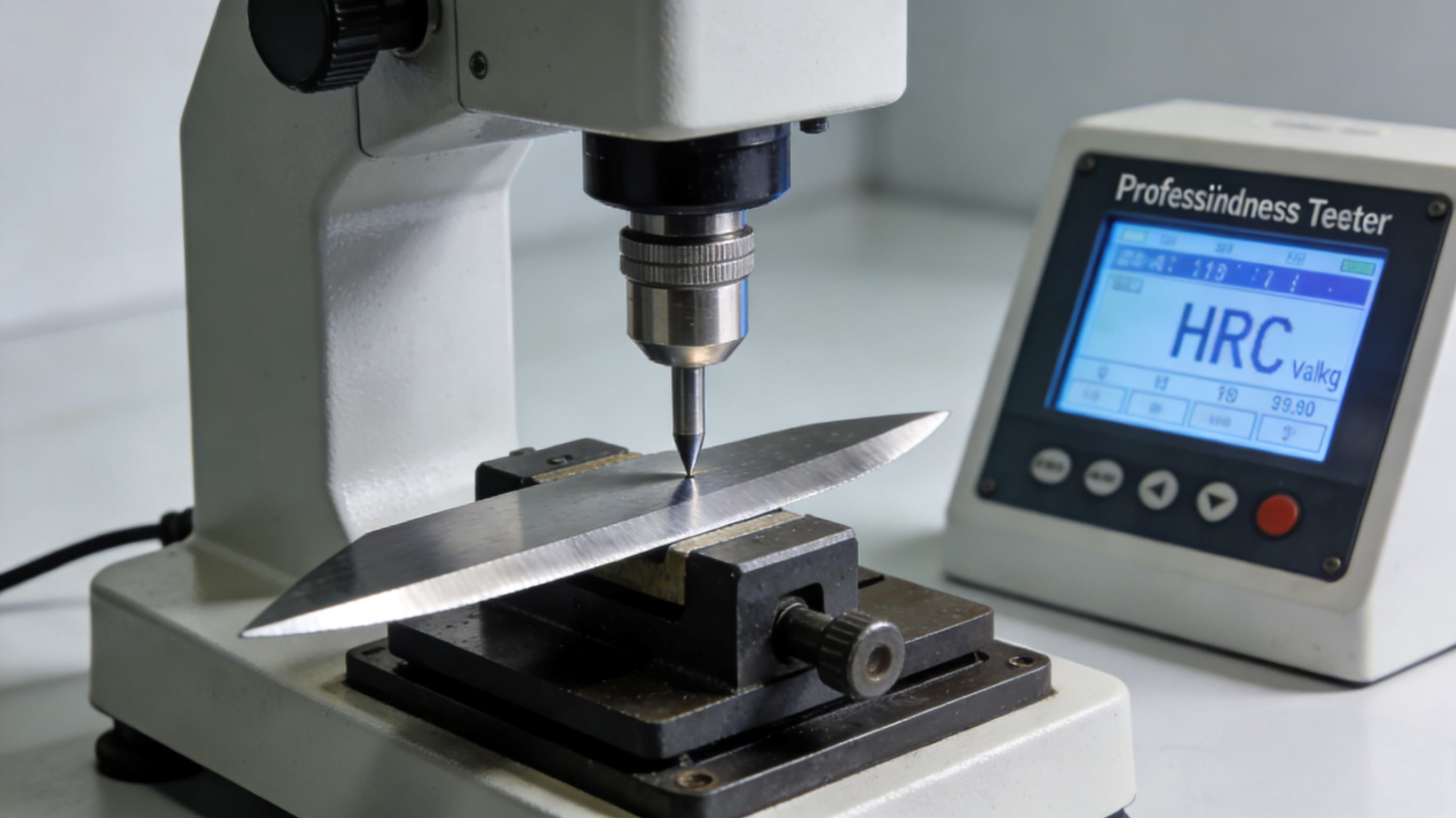
Hardness is the material's ability to resist indentation. Like the strength of human bones, it directly determines whether the blade can cut into the material and maintain its sharpness. It is often measured by HRC values, but higher numbers are not always better.
Toughness is the ability to resist impact and fracture, akin to human flexibility. It is crucial for machining conditions involving shock or vibration. High hardness often comes at the cost of reduced toughness.
Wear Resistance determines the blade's "endurance" or service life, depending on the material's microstructure and hardness.
Corrosion Resistance is the "resistance" in damp or chemical environments, especially important for industries like food and chemicals.
Red Hardness is the ability to maintain hardness at high temperatures, ensuring the blade's performance doesn't degrade during high-speed cutting.
Performance Portraits of Mainstream Blade Material Families
The world of blade materials is primarily divided into several families, each with its unique "performance portrait."
The Carbon Tool Steel and Alloy Tool Steel family, including common grades like T10, 9CrSi, and Cr12MoV, represents the "economical and practical" type in the industrial field. Through proper heat treatment, they achieve good hardness (HRC 58-62) and wear resistance, with excellent overall machinability and cost-effectiveness. Their main "shortcoming" is poor red hardness; hardness drops significantly when working temperatures exceed 300°C. Therefore, they are widely used in applications with low demands on speed and temperature, such as roll cutting, slitting, and blanking, forming the core material foundation for many of Mingbai Machinery's products.
The High-Speed Steel (HSS) family can be considered the "all-rounder." By adding large amounts of alloying elements like tungsten, molybdenum, cobalt, and vanadium to steel, it significantly improves red hardness (up to 600°C) while maintaining excellent toughness. This makes it ideal for manufacturing tools that withstand complex cutting forces and have intricate shapes, such as drills, taps, and form blades. Its balance of overall performance is outstanding.
The Carbide (commonly known as Tungsten Steel) family is the "king of hardness and wear resistance." Sintered from hard tungsten carbide particles and a metallic cobalt binder, it offers extremely high hardness (HRA can exceed 90), with wear resistance several to dozens of times that of HSS. However, it is also relatively more "brittle" and fears strong impact. Thus, it is most suitable for high-speed, continuous, and stable precision cutting, excelling in processing stainless steel, non-ferrous metals, and in the slitting of various strips.
Higher-end materials like Powder Metallurgy High-Speed Steel and Cermet are "specialists" pursuing extreme performance in specific areas. The powder metallurgy process results in an extremely uniform material structure, combining high wear resistance with high toughness. Cermet, on the other hand, approaches ceramic in terms of extremely high red hardness and wear resistance while offering better toughness. They are typically used in applications with extreme demands on tool life and machining stability.
How to Judge and Select Like an Expert?
Equipped with theoretical knowledge, how does one quickly judge and select in practice? You can follow this path:
Step 1: Check Marks and Reports.
Professional blade manufacturers mark the material grade (e.g., Cr12MoV, SKD-11, YG8) on the product or packaging. Additionally, request material certificates or heat treatment reports from suppliers—the most direct basis for judgment.
Step 2: Listen and Observe.
Gently tap the blade (exercise caution with carbide); a clear, long-ringing sound often indicates good heat treatment and internal stress control. Observe the cutting edge and surface; blades with fine grinding and uniform luster typically have superior manufacturing processes.
Step 3: Test and Observe Performance.
This is the most reliable test. Observe whether the cutting is smooth and effortless during the initial stage (sharpness). After continuous machining for a period, check if there is slight, uniform wear on the edge, or if chipping occurs (reflecting toughness), rapid dulling (reflecting wear resistance), or significant built-up edge formation (reflecting surface treatment and red hardness).
Step 4: Match the Application Precisely.
·Shearing ordinary metal sheets, paper, plastics? High-quality alloy tool steel is the most cost-effective and efficient choice.
· High-speed slitting of stainless steel strips, silicon steel sheets, or requiring extremely long life? Carbide blades are your best option.
· Damp or corrosive machining environments? Must pay attention to stainless steel materials or whether effective surface coatings (like chrome plating, TiN coating) have been applied.
· Significant shock or vibration in the working conditions? Prioritize high-speed steel with better toughness or alloy steel with appropriately reduced hardness grades.
Our Value: Providing Precise Material and Performance Matching for You
At Mingbai Machinery Tool Technology Co., Ltd., we understand the true meaning of "using the best steel for the blade." We don't just sell blades; we are committed to being your consultant for tool material selection. Based on your provided processing materials, equipment status, and production requirements, we can use our expertise to analyze and recommend the most suitable material grade and heat treatment process solution for you. We help you find the optimal balance between cost and performance, ensuring every blade is used to its fullest potential.
https://www.mingbaiblade.com/

 Email: Mb@mingbaiblade.com
 Tel.: +86-13855519988


 IPv6 network supported |
Sitemap
|
Xml
|
Privacy Policy
IPv6 network supported |
Sitemap
|
Xml
|
Privacy Policy


 en
en