Stainless Steel Blades Suddenly Become Dull During Use — Is It a Material Problem or Improper Operation?
Sep 23, 2026
In stainless steel slitting production, stainless steel slitting blades suddenly becoming dull is a common problem. Many users' first reaction is "the blade material is poor," but according to Mingbai Mechanical Tool Technology Co., Ltd.'s years of on-site diagnosis experience, among the causes of sudden dulling, improper operation accounts for over 60%, material problems account for only about 30%, and the rest are equipment or incoming material factors. This article helps you quickly identify the root cause and provides solutions.
1. Three Typical Manifestations of Material Problems
1. Hardness below standard or falsely labeled
Some manufacturers reduce costs by using inferior steel or inadequate heat treatment, causing the actual hardness of stainless steel slitter blades to be far below the nominal value. During use, the edge quickly rounds, requiring blade changes after only a few hundred meters of cutting.
2. Unqualified metallographic structure
Hardness testing passes, but carbides are coarse and severely segregated, causing large differences in local wear resistance at the edge. This manifests as "wavy" wear on the edge of food-grade stainless steel blades, with some areas wearing extremely fast.
3. Incorrect material selection
Using ordinary carbon steel blades instead of stainless steel-specific blades, or using a material with sufficient toughness but insufficient wear resistance for high-hardness stainless steel slitting. For example, using 9CrSi blades to slit 430 stainless steel will reduce life by more than half.
2. Six Common Causes of Improper Operation
1. Improper blade gap setting
If the gap is too small, upper and lower blades rub against each other, and the edge wears quickly. If the gap is too large, the material is stretched and torn, and the edge bears additional impact. The gap for stainless steel circular blades should typically be 6%-10% of material thickness.
2. Excessive shearing speed
Excessive speed causes friction heat to rise sharply, and the edge temperature exceeds the tempering temperature, reducing hardness and accelerating wear.
3. Insufficient lubrication and cooling
Stainless steel has poor thermal conductivity, and cutting heat concentrates at the edge. When lubrication is insufficient, the edge of stainless steel mechanical blades softens rapidly, and even adhesive wear occurs.
4. Hard spots or joints in the material
Weld marks, inclusions, or sudden thickness changes in incoming material cause instantaneous impact, leading to micro-chipping of the edge, followed by accelerated wear.
5. Eccentric installation or excessive runout
After installation, if radial runout exceeds 0.01mm, the edge bears uneven force during rotation, causing rapid localized wear.
6. Overload use
Long-term cutting of thick plates or high-hardness materials beyond the blade's design capacity accelerates edge fatigue.
3. Three-Step Quick Diagnosis Method
Step 1: Observe wear morphology
Uniform rounding → insufficient hardness or normal wear
Local chipping → impact or excessive material brittleness
Wavy wear → excessive runout or uneven metallographic structure
Adhesive buildup → insufficient lubrication or coating problems
Step 2: Check operation records
Review whether the blade change cycle suddenly shortened, whether the material batch was changed, or whether equipment parameters were adjusted. Stainless steel dedicated blades should have a stable life under normal working conditions; sudden dulling is often related to operational changes.
Step 3: Test hardness and runout
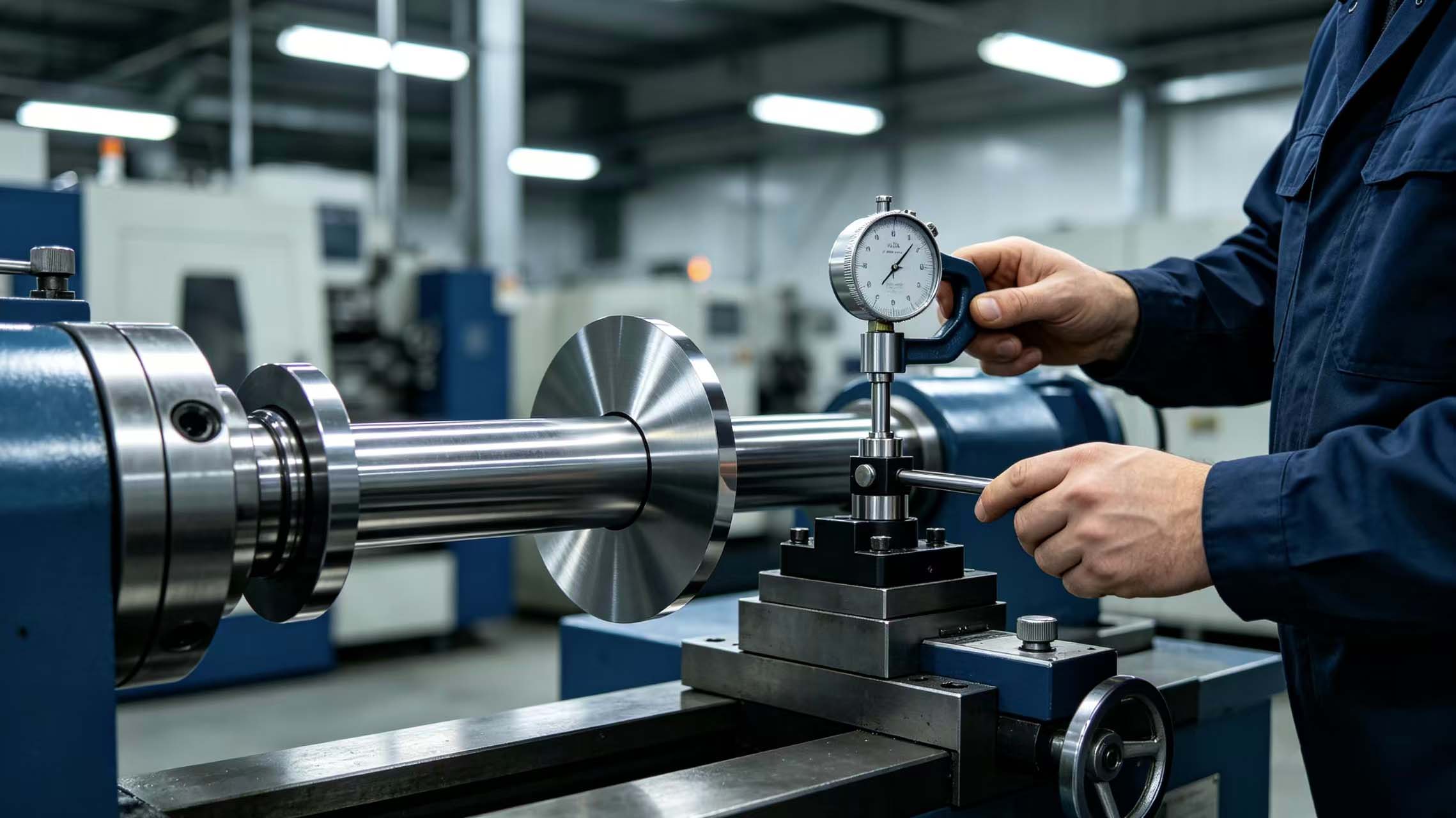
Use a portable hardness tester to spot check edge hardness and compare with the nominal value. Use a dial indicator to check runout after installation. If hardness meets the standard and runout is acceptable, the problem is operational; otherwise, it is a material or installation problem.
4. Solutions
Material problems:
Require the supplier to provide metallographic inspection reports and multi-point hardness test data
Switch to materials suitable for stainless steel slitting, such as Cr12MoV, SKD-11, or powder high-speed steel
Choose stainless steel alloy blades with PVD coating to improve anti-adhesion and wear resistance
Operational problems:
Reset the gap to 6%-10% of material thickness
Reduce shearing speed by 10%-20% to avoid the edge overheating zone
Strengthen lubrication and cooling, using oil mist lubrication or minimum quantity lubrication
Check blade shaft runout to ensure installation accuracy
Stabilize incoming material quality to avoid hard spots and joint impact
5. Mingbai Technology's Recommendations
Mingbai Mechanical Tool Technology Co., Ltd. provides dedicated blade solutions for stainless steel slitting. Each batch of stainless steel strip slitting blades comes with hardness and metallographic inspection reports, and we can recommend materials and coatings based on your working conditions. We offer free on-site diagnostic services to help you distinguish between material problems and operational problems, solving the root cause of sudden dulling.
Conclusion
Stainless steel blades suddenly becoming dull is not necessarily a material problem; more often, it is an issue with operating parameters, lubrication and cooling, or installation accuracy. Through the three-step diagnosis of wear morphology, operation records, and hardness/runout testing, the cause can be quickly identified. Mingbai Technology is willing to help you extend blade life and stabilize slitting quality with professional technical services.
FAQ :
Q1: When a stainless steel blade suddenly becomes dull, what should be checked first?A: First, look at the wear morphology. Uniform rounding usually indicates insufficient hardness or normal wear; local chipping usually indicates impact or excessive material brittleness; wavy wear usually indicates excessive runout; adhesive buildup usually indicates insufficient lubrication. Then check operation records and hardness/runout.
Q2: How to determine whether it is a material problem or an operational problem?A: Three-step method: first, look at wear morphology; second, check operation records (whether material was changed, parameters adjusted); third, test hardness and runout. If hardness meets the standard and runout is acceptable, the problem is operational; if hardness is insufficient or runout exceeds tolerance, the problem is material or installation.
Q3: What should the gap be for stainless steel slitting blades?A: Typically 6%-10% of material thickness. Use the lower limit for thin materials and the upper limit for thick materials. Too small a gap increases friction; too large a gap causes tearing burrs. Use a feeler gauge for precise setting and verify by trial cutting.
Q4: Does lubrication and cooling have a big impact on stainless steel blade life?A: Very big. Stainless steel has poor thermal conductivity, and cutting heat concentrates at the edge. Insufficient lubrication causes rapid edge softening and adhesive wear. Oil mist lubrication or minimum quantity lubrication is recommended, with a flow rate of 10-20 ml/h, with nozzles aimed at the cutting entry zone.
Q5: Can Mingbai Technology provide stainless steel blade selection recommendations?A: Yes. Based on your stainless steel grade, thickness, equipment speed, and existing problems, we provide free recommendations for the most suitable material (such as Cr12MoV, SKD-11, powder high-speed steel) and coating solutions, along with on-site diagnostic services.
https://www.mingbaiblade.com/

 Email: Mb@mingbaiblade.com
 Tel.: +86-13855519988


 IPv6 network supported |
Sitemap
|
Xml
|
Privacy Policy
IPv6 network supported |
Sitemap
|
Xml
|
Privacy Policy


 en
en