Home

stainless steel slitting blades

stainless steel slitting blades

  • Stainless Steel Blades Suddenly Become Dull During Use — Is It a Material Problem or Improper Operation?
    Sep 23, 2026
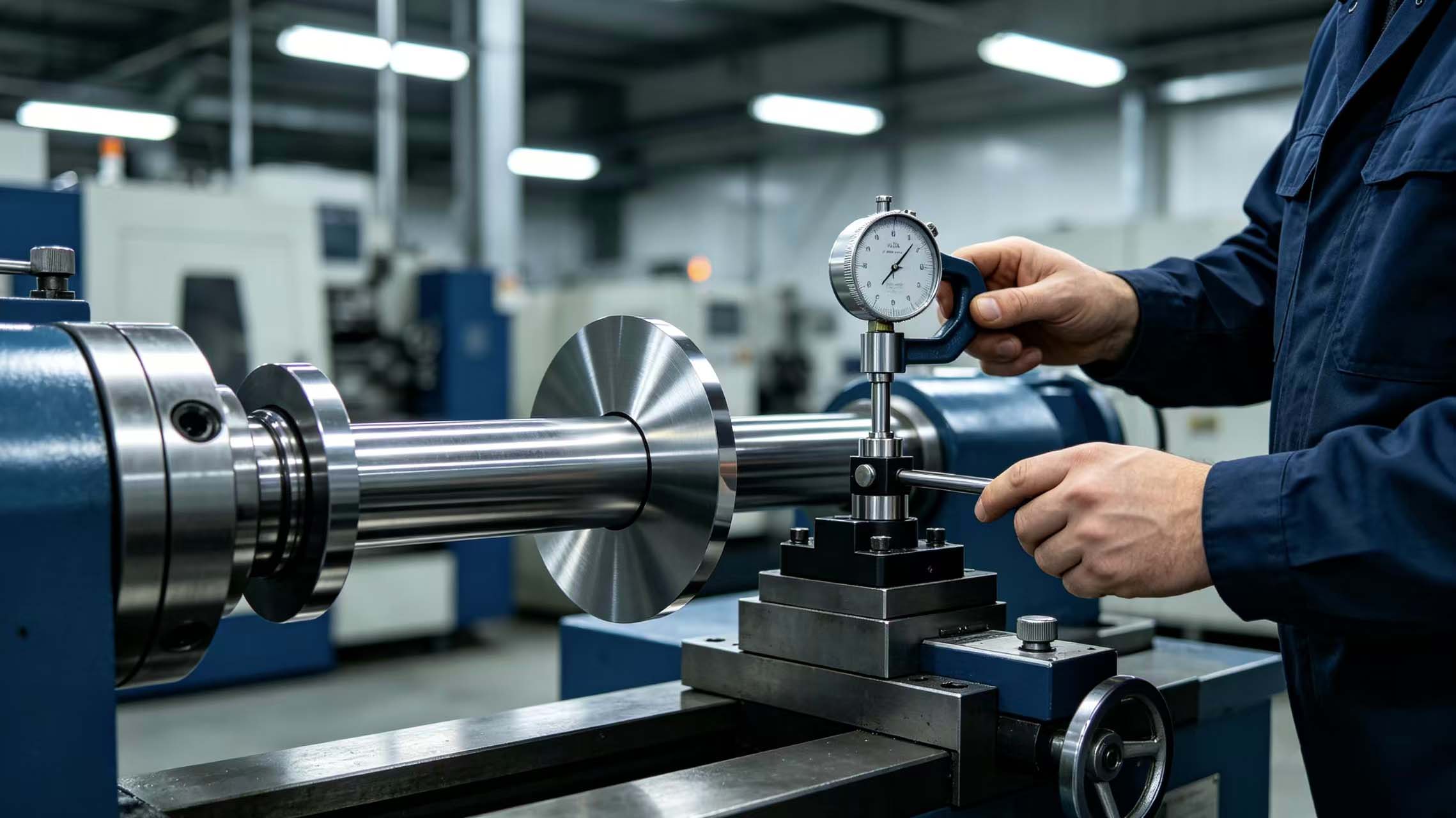
    In stainless steel slitting production, stainless steel slitting blades suddenly becoming dull is a common problem. Many users' first reaction is "the blade material is poor," but according to Mingbai Mechanical Tool Technology Co., Ltd.'s years of on-site diagnosis experience, among the causes of sudden dulling, improper operation accounts for over 60%, material problems account for only about 30%, and the rest are equipment or incoming material factors. This article helps you quickly identify the root cause and provides solutions.   1. Three Typical Manifestations of Material Problems 1. Hardness below standard or falsely labeled Some manufacturers reduce costs by using inferior steel or inadequate heat treatment, causing the actual hardness of stainless steel slitter blades to be far below the nominal value. During use, the edge quickly rounds, requiring blade changes after only a few hundred meters of cutting. 2. Unqualified metallographic structure Hardness testing passes, but carbides are coarse and severely segregated, causing large differences in local wear resistance at the edge. This manifests as "wavy" wear on the edge of food-grade stainless steel blades, with some areas wearing extremely fast. 3. Incorrect material selection Using ordinary carbon steel blades instead of stainless steel-specific blades, or using a material with sufficient toughness but insufficient wear resistance for high-hardness stainless steel slitting. For example, using 9CrSi blades to slit 430 stainless steel will reduce life by more than half.   2. Six Common Causes of Improper Operation 1. Improper blade gap setting If the gap is too small, upper and lower blades rub against each other, and the edge wears quickly. If the gap is too large, the material is stretched and torn, and the edge bears additional impact. The gap for stainless steel circular blades should typically be 6%-10% of material thickness. 2. Excessive shearing speed Excessive speed causes friction heat to rise sharply, and the edge temperature exceeds the tempering temperature, reducing hardness and accelerating wear. 3. Insufficient lubrication and cooling Stainless steel has poor thermal conductivity, and cutting heat concentrates at the edge. When lubrication is insufficient, the edge of stainless steel mechanical blades softens rapidly, and even adhesive wear occurs. 4. Hard spots or joints in the material Weld marks, inclusions, or sudden thickness changes in incoming material cause instantaneous impact, leading to micro-chipping of the edge, followed by accelerated wear. 5. Eccentric installation or excessive runout After installation, if radial runout exceeds 0.01mm, the edge bears uneven force during rotation, causing rapid localized wear. 6. Overload use Long-term cutting of thick plates or high-hardness materials beyond the blade's design capacity accelerates edge fatigue.   3. Three-Step Quick Diagnosis Method Step 1: Observe wear morphology Uniform rounding → insufficient hardness or normal wear Local chipping → impact or excessive material brittleness Wavy wear → excessive runout or uneven metallographic structure Adhesive buildup → insufficient lubrication or coating problems Step 2: Check operation records Review whether the blade change cycle suddenly shortened, whether the material batch was changed, or whether equipment parameters were adjusted. Stainless steel dedicated blades should have a stable life under normal working conditions; sudden dulling is often related to operational changes. Step 3: Test hardness and runout Use a portable hardness tester to spot check edge hardness and compare with the nominal value. Use a dial indicator to check runout after installation. If hardness meets the standard and runout is acceptable, the problem is operational; otherwise, it is a material or installation problem.   4. Solutions Material problems: Require the supplier to provide metallographic inspection reports and multi-point hardness test data Switch to materials suitable for stainless steel slitting, such as Cr12MoV, SKD-11, or powder high-speed steel Choose stainless steel alloy blades with PVD coating to improve anti-adhesion and wear resistance Operational problems: Reset the gap to 6%-10% of material thickness Reduce shearing speed by 10%-20% to avoid the edge overheating zone Strengthen lubrication and cooling, using oil mist lubrication or minimum quantity lubrication Check blade shaft runout to ensure installation accuracy Stabilize incoming material quality to avoid hard spots and joint impact   5. Mingbai Technology's Recommendations Mingbai Mechanical Tool Technology Co., Ltd. provides dedicated blade solutions for stainless steel slitting. Each batch of stainless steel strip slitting blades comes with hardness and metallographic inspection reports, and we can recommend materials and coatings based on your working conditions. We offer free on-site diagnostic services to help you distinguish between material problems and operational problems, solving the root cause of sudden dulling.   Conclusion Stainless steel blades suddenly becoming dull is not necessarily a material problem; more often, it is an issue with operating parameters, lubrication and cooling, or installation accuracy. Through the three-step diagnosis of wear morphology, operation records, and hardness/runout testing, the cause can be quickly identified. Mingbai Technology is willing to help you extend blade life and stabilize slitting quality with professional technical services.   FAQ : Q1: When a stainless steel blade suddenly becomes dull, what should be checked first?A: First, look at the wear morphology. Uniform rounding usually indicates insufficient hardness or normal wear; local chipping usually indicates impact or excessive material brittleness; wavy wear usually indicates excessive runout; adhesive buildup usually indicates insufficient lubrication. Then check operation records and hardness/runout. Q2: How to determine whether it is a material problem or an operational problem?A: Three-step method: first, look at wear morphology; second, check operation records (whether material was changed, parameters adjusted); third, test hardness and runout. If hardness meets the standard and runout is acceptable, the problem is operational; if hardness is insufficient or runout exceeds tolerance, the problem is material or installation. Q3: What should the gap be for stainless steel slitting blades?A: Typically 6%-10% of material thickness. Use the lower limit for thin materials and the upper limit for thick materials. Too small a gap increases friction; too large a gap causes tearing burrs. Use a feeler gauge for precise setting and verify by trial cutting. Q4: Does lubrication and cooling have a big impact on stainless steel blade life?A: Very big. Stainless steel has poor thermal conductivity, and cutting heat concentrates at the edge. Insufficient lubrication causes rapid edge softening and adhesive wear. Oil mist lubrication or minimum quantity lubrication is recommended, with a flow rate of 10-20 ml/h, with nozzles aimed at the cutting entry zone. Q5: Can Mingbai Technology provide stainless steel blade selection recommendations?A: Yes. Based on your stainless steel grade, thickness, equipment speed, and existing problems, we provide free recommendations for the most suitable material (such as Cr12MoV, SKD-11, powder high-speed steel) and coating solutions, along with on-site diagnostic services. https://www.mingbaiblade.com/

  • Food-Grade Stainless Steel Plate Shearing: How to Prevent Blade Material Contamination of the Product Surface?
    Aug 05, 2026
    In the slitting and processing of food-grade stainless steel plates, contamination of the product surface by blade materials is a serious challenge faced by many manufacturers. Once a blade rusts or wears, tiny metal particles can detach and embed themselves into the plate surface, causing the product to fail food safety standards and even posing risks of heavy metal migration. Mingbai Mechanical Tool Technology Co., Ltd., based on food contact material standards and years of slitting experience, provides a systematic analysis of how to eliminate contamination risks from the blade side.   1. Where Does Contamination Come From? — Analysis of Three Contamination Sources     1. Rust and metal dust contamination   During shearing, ordinary carbon steel or low-alloy steel blades produce fine iron filings that adhere to the surface of stainless steel plates. In humid environments, these iron filings oxidize and rust, forming yellow-brown rust spots that are difficult to remove, directly compromising the food-grade appearance and corrosion resistance of the plates.   2. Heavy metal element migration contamination   According to GB 4806.9-2016 "National Food Safety Standard — Metal Materials and Products for Food Contact," metal materials that come into direct contact with food must not cause harm to human health. Harmful elements such as lead, cadmium, and arsenic that may be present in ordinary blades can migrate to the product surface when in contact with food or humid environments.   3. Cross-contact contamination   After blades come into contact with carbon steel tools, workbenches, or other non-food-grade materials, their surfaces may become contaminated with iron ions or pollutants, which are then transferred to the stainless steel plates.   2. How to Eliminate Contamination from the Blade Side? — Five Core Measures   1. Select compliant food-grade blade materials   For food-grade stainless steel blade, blade materials must comply with GB 4806.9-2016. According to FDA regulations, the chromium content of food contact-grade stainless steel must be at least 16%.   Mingbai Technology recommends the following material options:   · Martensitic stainless steel (420, 440C): High hardness (HRC52-58), good edge retention, suitable for long-term shearing operations. According to GB 4806.9-2016, martensitic stainless steel materials can be used for the main body of stainless steel tableware and drilling and grinding tools of food production machinery. · Austenitic stainless steel (304, 316): Excellent corrosion resistance, suitable for humid or acidic environments. Among them, 316 contains molybdenum, providing stronger resistance to chloride ion corrosion. · Food-grade carbide: For high-hardness or impurity-containing stainless steel plates, ultra-fine grain carbide that meets food contact requirements can be used, combining wear resistance with safety.     2. Strictly control edge surface finish   Surface roughness directly affects the ability of contaminants to adhere and the difficulty of cleaning. The surface roughness Ra value of food contact surfaces should be less than 0.8μm. For high-hygiene applications, it is recommended to polish the edge to Ra ≤ 0.1-0.4μm, which significantly reduces adhesion and bacterial growth.   Mirror-polished food-grade stainless steel slitting blades from Mingbai Technology can achieve edge Ra values as low as 0.05μm, physically preventing contaminant adhesion.     3. Establish strict blade handling procedures   · Wear non-abrasive gloves: Food-grade blades must be handled with non-abrasive gloves (leather, Kevlar, or nitrile) to prevent sweat stains and oils from contaminating the blade surface. · Use dedicated handling tools: Use plastic, wooden, or stainless steel lifting tools when moving blades. Carbon steel tools must not come into contact with blades. · Dedicated blades for dedicated use: Food-grade blades must not be mixed with non-food-grade blades. Color-coded management is recommended to distinguish purposes.     4. Scientific blade storage management   · Dedicated blade racks: Use racks made of wood, plastic, or stainless steel, with each blade stored separately to avoid scratching from mutual contact. · Dust protection covers: Use blade covers during storage to prevent dust and foreign matter from adhering. · Environmental control: Storage area humidity should be controlled at 40%-60% to avoid rusting in humid environments.     5. Coating-assisted protection   For special working conditions, blades with food-grade coatings can be selected:   · DLC coating: Friction coefficient as low as 0.1, excellent anti-adhesion performance · TiAlN coating: Heat-resistant up to 800°C, suitable for high-speed slitting   Coatings not only reduce friction heat but also form a physical barrier between the blade substrate and the plate, further reducing the risk of metal migration.   3. Mingbai Technology's Food-Grade Slitting Blade Solutions   Mingbai Mechanical Tool Technology Co., Ltd. offers a dedicated blade series for food-grade stainless steel plate slitting:   · Food-grade stainless steel slitting dedicated blades: Made of 420/440C or 304/316 materials, compliant with GB 4806.9-2016 · Mirror-polished edge, Ra ≤ 0.05μm · Optional DLC/TiAlN food-grade coatings · Each batch of blades comes with material test reports and food contact safety declarations · On-site contamination risk assessment services   Conclusion   Contamination prevention in food-grade stainless steel plate shearing is a comprehensive battle from blade materials to operating procedures. Choosing the right blade material, controlling surface finish, standardizing handling and storage, and selecting appropriate coatings — every step is critical to the final product's food safety compliance. Mingbai Technology is ready to help you safeguard the first line of food safety with professional food-grade slitting blade solutions.     FAQ Module:   Q1: Can ordinary alloy blades be used for food-grade stainless steel plate shearing? A: Not recommended. Ordinary alloy blades may contain harmful elements such as lead and cadmium, and have insufficient corrosion resistance, making them prone to rusting and producing iron filings contamination. Blades must be made of food-grade stainless steel or carbide that complies with GB 4806.9-2016.   Q2: What surface finish is required for food-grade blades? A: The surface roughness Ra value of food contact surfaces should be less than 0.8μm. For high-hygiene food-grade stainless steel plate slitting, it is recommended to polish the edge to Ra ≤ 0.1-0.4μm. Mingbai Technology can provide mirror-grade edges with Ra ≤ 0.05μm.   Q3: Can a rusted blade continue to be used for food-grade plate shearing? A: No. Rusted blades produce rust dust that contaminates the plate surface, and rusted areas easily harbor bacteria. Once rust spots are found, the blade should be immediately taken out of service and professionally derusted or replaced.   Q4: What is the difference between food-grade stainless steel plates and ordinary stainless steel plates regarding blade requirements? A: Food-grade stainless steel plates have extremely high surface quality requirements. Any iron filing contamination, scratches, or rust spots can render the product non-compliant.Therefore, blades must be made of food-grade materials with excellent corrosion resistance, and edge finish must be much higher than ordinary slitting requirements.   Q5: Are coated blades safe for food-grade applications? A: As long as the coating material complies with food contact standards (e.g., GB 4806.10), they are safe. Coatings such as DLC and TiAlN are widely used in food processing. They not only reduce friction and adhesion but also form a physical barrier between the blade substrate and the plate, further reducing the risk of metal migration. All coated blades from Mingbai Technology comply with relevant food safety standards.   Website: www.mingbaiblade.com
Leave A Message
If you are interested in our products and want to know more details,please leave a message here,we will reply you as soon as we can.
submit

leave a message

leave a message
If you are interested in our products and want to know more details,please leave a message here,we will reply you as soon as we can.
submit

home

products

WhatsApp

Contact Us