 en
en Our factory has served countless products across various industries for 30 years, making a significant contribution to the cutting industry. Let us customize the cutting tools you need!
Mabu - CEO RisingBamboo

 Email: Mb@mingbaiblade.com
 Tel.: +86-13855519988



In industrial cutting production, the frequency of blade replacement is a critical issue that directly affects cost, efficiency, and quality. Replacing too often leads to high costs; replacing too late results in declining product quality, equipment damage, and even safety incidents. So, how often should slitter blades, circular blades, and various types of custom blades be replaced? Today, Mingbai Mechanical Tool Technology Co., Ltd. will help you clarify this issue from a professional perspective.
1. There Is No Standard Answer, But There Are Judgment Criteria
First and foremost, it's important to understand: there is no one-size-fits-all schedule for industrial blade replacement cycles. It depends on the combined effect of multiple factors. Rather than asking "how often to replace," it's better to learn "how to determine when replacement is needed." Below are the core factors affecting blade life:
1. Characteristics of the Material Being Cut
The hardness, thickness, abrasiveness, and adhesion of the material directly determine the blade's wear rate. Precision machine blades cutting high-strength materials such as silicon steel and stainless steel typically have a shorter lifespan than those cutting ordinary carbon steel. When cutting adhesive materials like copper and aluminum, blades face more adhesion issues than simple wear.
2. Cutting Conditions
Continuous cutting versus intermittent cutting, high-speed cutting versus low-speed cutting, lubricated versus unlubricated—these condition differences significantly affect blade life. For example, during high-speed continuous cutting, blade temperature rises faster, and the wear rate correspondingly accelerates.
3. Blade Material and Process
High-quality materials and advanced heat treatment and coating processes can significantly extend blade life. Mingbai Technology uses high-purity tool steel, advanced vacuum heat treatment, and PVD coating technology, greatly enhancing the wear resistance and fatigue resistance of circular blades.
4. Equipment Condition and Operation Level
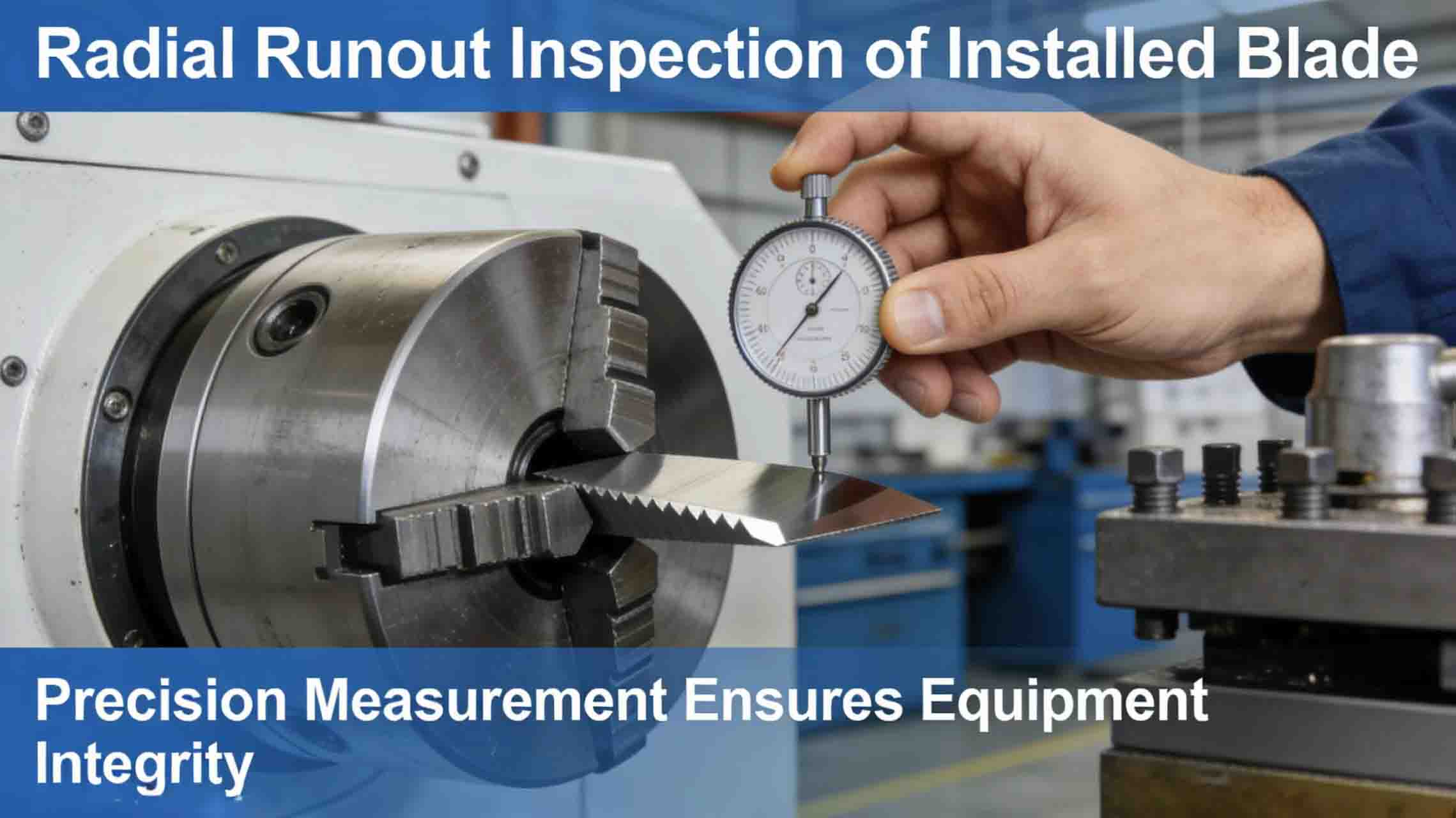
Issues such as reduced equipment precision, poor alignment, and improper gap settings can accelerate blade wear. Similarly, the experience and responsibility of operators directly impact blade service life.
2. Typical Signals That a Blade Needs Replacement
Although a unified schedule cannot be provided, the appearance of the following signals indicates that your CNC machined blades or custom slitter blades should be replaced:
1. Significant Decline in Cutting Quality
This is the most intuitive signal. When you notice:
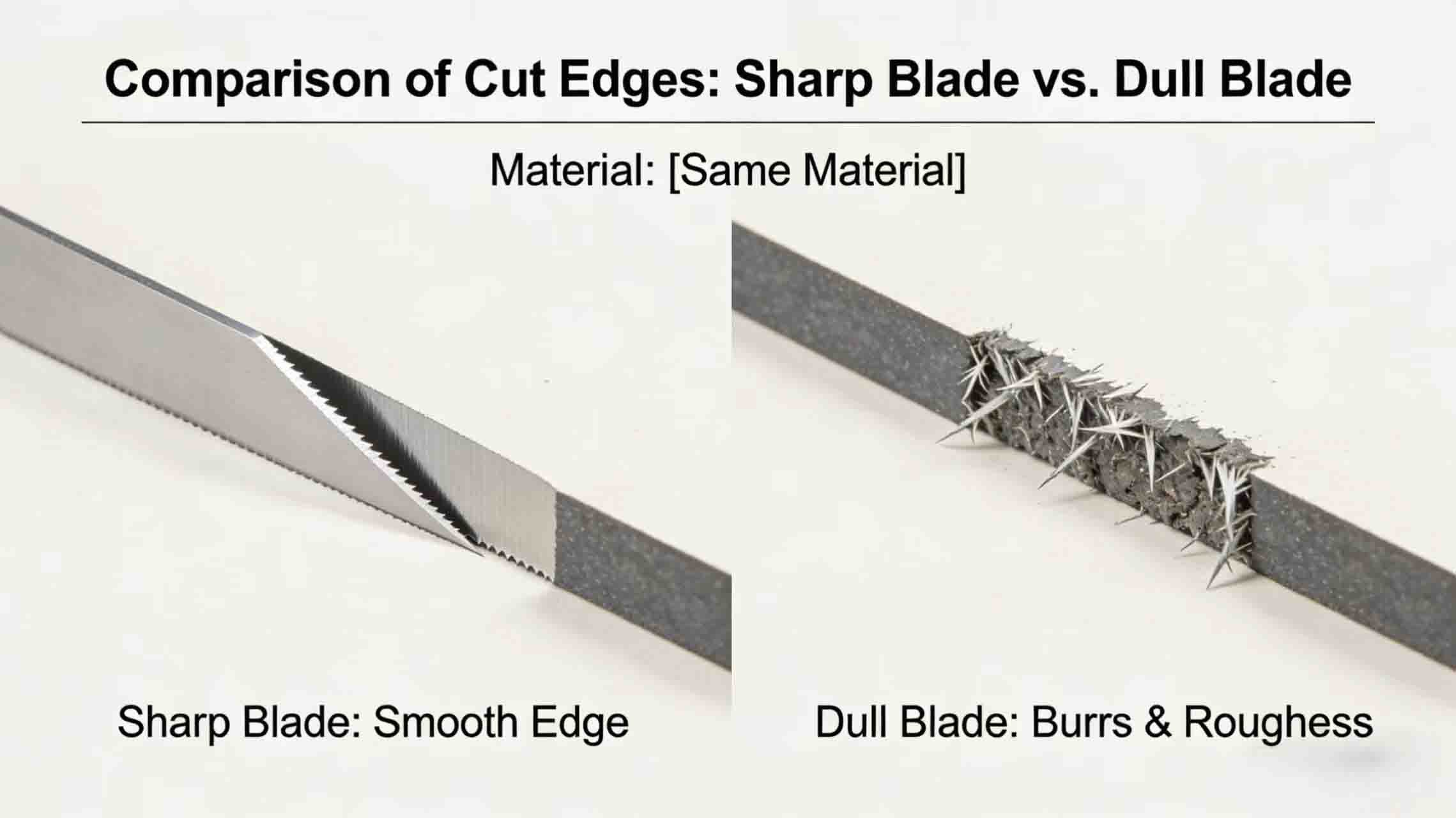
· Noticeably increased burrs on cut edges
· Rough, unsmooth cut surfaces
· Dimensional accuracy exceeding tolerance ranges
· Material tearing, deformation, or burn marks
If any of these occur, it indicates that the blade has dulled or been damaged and needs timely replacement.
2. Abnormal Noise and Vibration
A sharp blade produces smooth sound and minimal vibration during cutting. When a blade dulls or becomes damaged, cutting resistance increases, causing unusual noises or noticeable vibration in the equipment. If you notice the equipment sound becoming harsh or the machine body vibrating more intensely, the blade condition should be checked first.
3. Increased Energy Consumption
If the equipment motor current significantly rises, or if feed speed has to be reduced to maintain cutting quality, it indicates that the blade has dulled and cutting force demand has increased. For automated production lines, the control system sometimes automatically alarms to indicate abnormal load.
4. Visible Damage on the Blade Surface
Regularly inspecting the blade appearance is a necessary maintenance habit. Immediate replacement should occur when the following are observed:
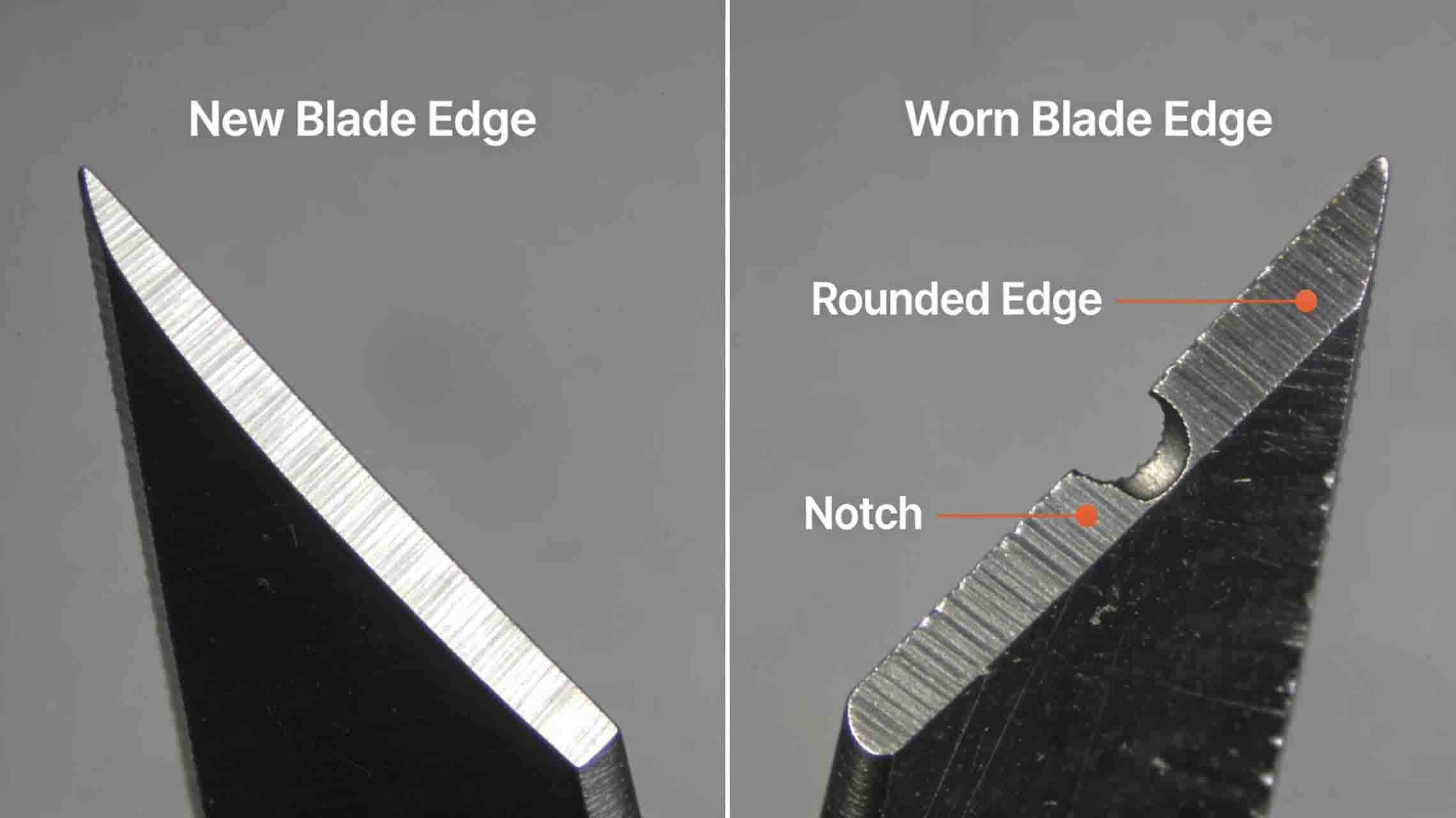
· Obvious rounding or chipping on the cutting edge
· Cracks appearing on the blade surface
· Coating peeling or discoloration
· Blade deformation
5. Suddenly Shortened Blade Change Interval
If you have been using blades from the same batch under stable conditions, but the blade change interval suddenly shortens significantly, it indicates potential issues with raw material changes, equipment problems, or batch quality issues that need timely investigation.
3. Reference Replacement Cycles for Different Applications
Although specific cycles vary by facility, the following reference values can help you make judgments:
Metal Slitting
For slitter blades cutting ordinary carbon steel plates under normal conditions, the edge condition is typically checked after 200-400 hours of continuous operation. When cutting high-strength steel or silicon steel, the cycle may shorten to 100-200 hours.
Lithium Battery Electrode Slitting
For high-precision circular blades used for slitting lithium battery electrodes, where burr requirements are extremely strict, the blade change cycle is often calculated by length. Generally, inspection or replacement is needed after every 50,000 to 100,000 meters of slitting.
Plastic Film Slitting
Circular blades used for slitting plastic film wear relatively slowly and can be used for several months under good conditions. However, once stringing or rough edges appear, timely replacement is necessary.
Food Processing
For custom blades used in food cutting, in addition to wear factors, hygiene requirements must also be considered. Regular inspection and replacement according to food safety standards are recommended.
4. How to Extend Blade Service Life
Under the premise of ensuring cutting quality, extending blade life is an effective way to reduce costs. The following suggestions are for reference:
1. Correct Selection
Choose blade materials, hardness, and geometries that match the material and conditions. Mingbai Technology offers custom slitter blade services, allowing optimization design based on your specific needs.
2. Reasonable Parameter Settings
Strictly follow equipment manuals and blade supplier recommendations to set appropriate blade gap, overlap, and cutting speed.
3. Ensure Lubrication and Cooling
Select suitable lubricants based on the material being processed, ensuring adequate lubrication to effectively reduce friction and temperature rise.
4. Regular Equipment Maintenance
Maintain equipment precision, regularly check spindle runout and tool holder alignment, and promptly replace worn bearings and drive components.
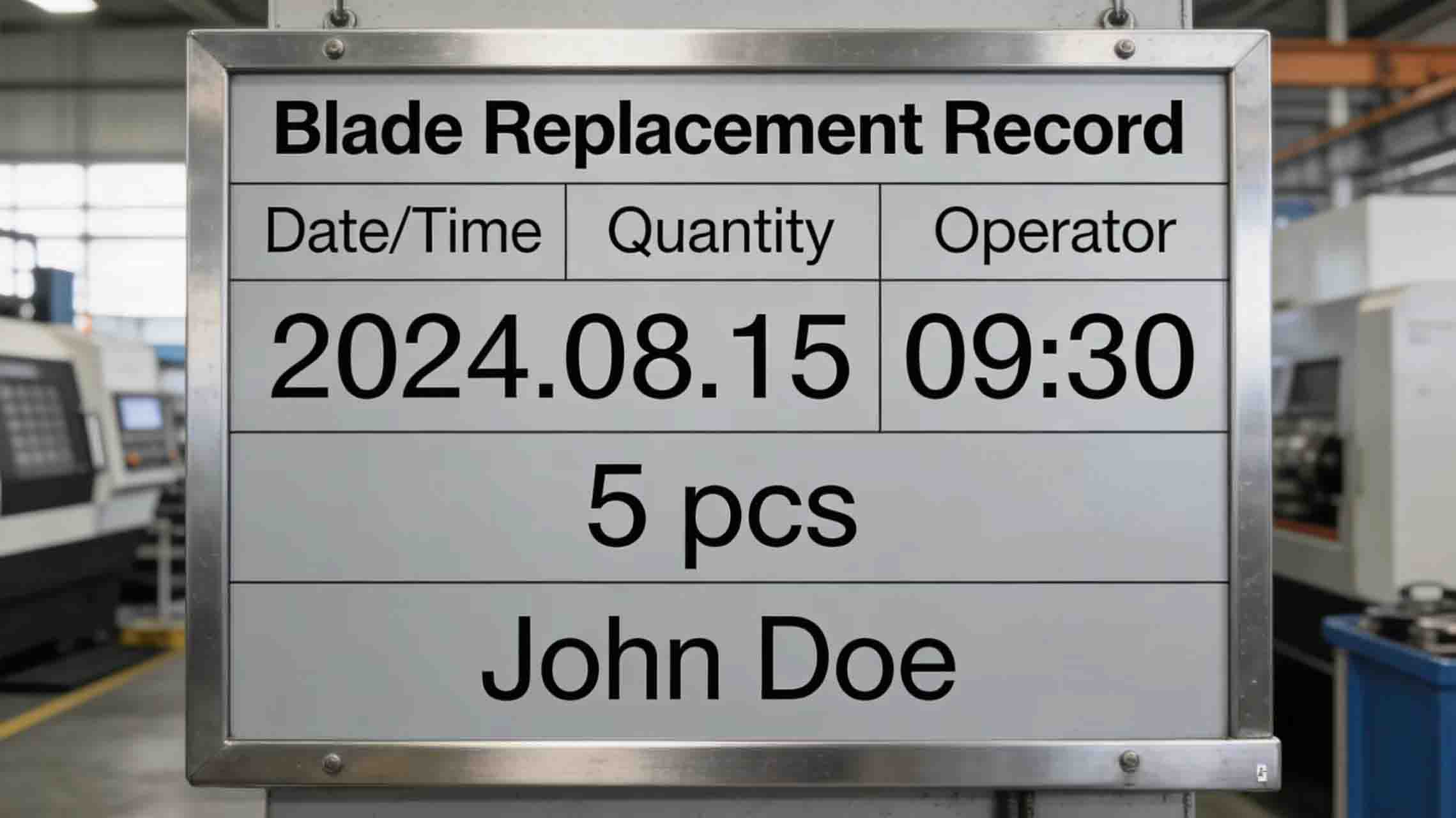
5. Establish Blade Change Records
Maintain a blade usage log, recording the time of each change, quantity processed, material batch information, etc., to facilitate pattern analysis and cycle optimization.
5. Mingbai Technology's Solutions
At Mingbai Mechanical Tool Technology Co., Ltd., we not only provide high-quality precision machine blades but also dedicate ourselves to helping customers establish scientific tool management systems. Our technical team can:
· Recommend the most suitable blade materials and processes based on your specific operating conditions
· Provide on-site diagnostic services to help analyze the causes of blade wear
· Assist in developing reasonable blade change cycles and maintenance plans
· Offer blade re-sharpening services to extend total blade service life
Conclusion
The replacement frequency for industrial blades is not a fixed number but a dynamic decision that requires comprehensive consideration of multiple factors. Learning to recognize the signals that indicate blade replacement is needed and establishing a scientific maintenance system will enable optimal cost control while ensuring cutting quality and production efficiency.
If you have questions about your blade replacement cycle or wish to obtain more professional advice, please feel free to contact Mingbai Technology. Let us help you cut without worry with our professional blade solutions.
Website: www.mingbaiblade.com
 IPv6 network supported |
Sitemap
|
Xml
|
Privacy Policy
IPv6 network supported |
Sitemap
|
Xml
|
Privacy Policy
leave a message
Scan to wechat :

Scan to whatsapp :
