 en
en Our factory has served countless products across various industries for 30 years, making a significant contribution to the cutting industry. Let us customize the cutting tools you need!
Mabu - CEO RisingBamboo

 Email: Mb@mingbaiblade.com
 Tel.: +86-13855519988



In industrial cutting production, blade overheating is a common but critical issue. When slitter blades, circular blades, or various types of custom blades experience abnormally high temperatures during operation, it not only accelerates blade wear and shortens service life but also directly affects cutting quality, and can even lead to equipment failure and safety incidents. Today, Mingbai Mechanical Tool Technology Co., Ltd. will systematically analyze the common causes of industrial blade overheating for you and provide practical solutions.
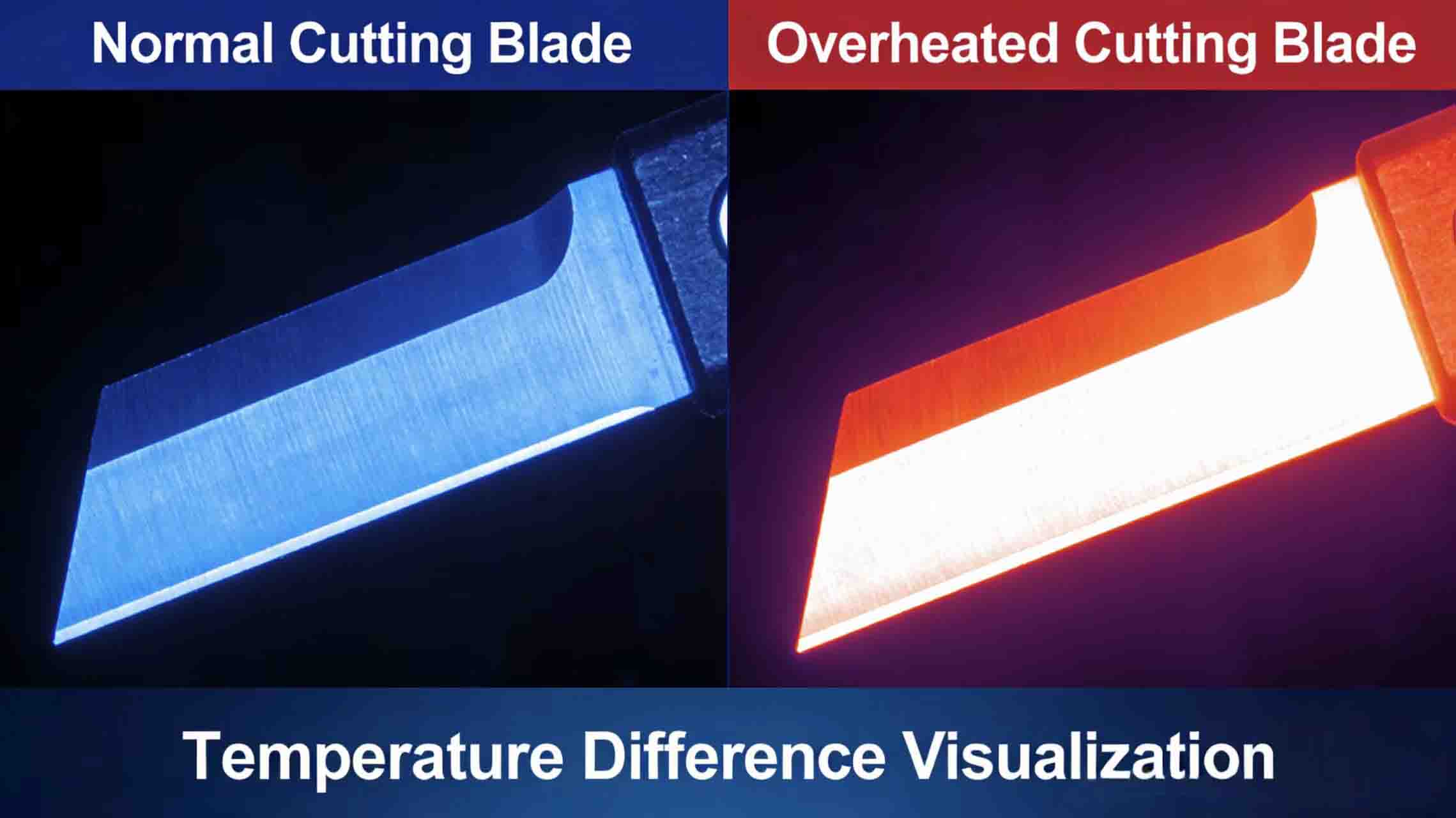
1. Why is Blade Overheating So Dangerous?
It is normal for blades to generate some heat during the cutting process, but overheating is a danger signal. When the blade temperature exceeds the limit that the blade material can withstand, a series of reactions are triggered:
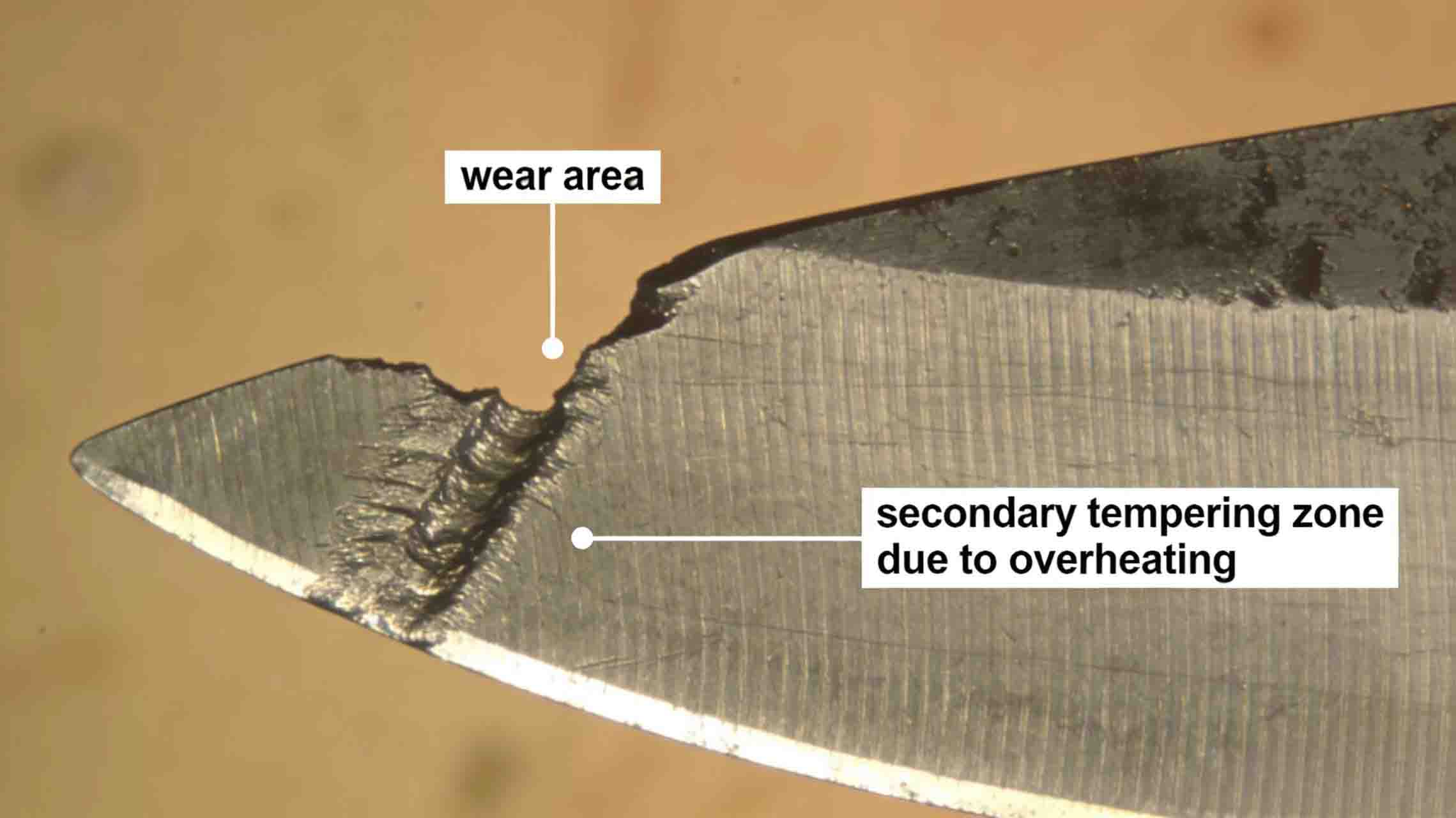
Firstly, the blade hardness decreases. Most tool steels soften when the temperature exceeds their tempering temperature, leading to rapid edge wear. Secondly, overheating alters the metallographic structure of the blade, reducing its wear resistance and fatigue performance. Additionally, high temperatures can damage PVD coatings, causing them to lose their original lubrication and protection functions. Ultimately, overheating not only leads to premature blade failure but can also damage critical components such as the equipment spindle and bearings.
2. Common Causes of Industrial Blade Overheating
1. Improper Cutting Parameter Settings
Excessively fast cutting speed or excessive feed rate is one of the most common causes of blade overheating. When the cutting speed exceeds the tolerance range of the blade material, the heat generated per unit time increases dramatically, and the cooling system cannot dissipate this heat quickly enough, causing the temperature to rise continuously.
For precision machine blades, reasonable cutting parameters are a prerequisite for ensuring their normal operation. Workpieces of different materials and thicknesses have their corresponding optimal cutting speeds and feed rates. Blindly pursuing efficiency by increasing parameters often backfires.
2. Insufficient Lubrication and Cooling
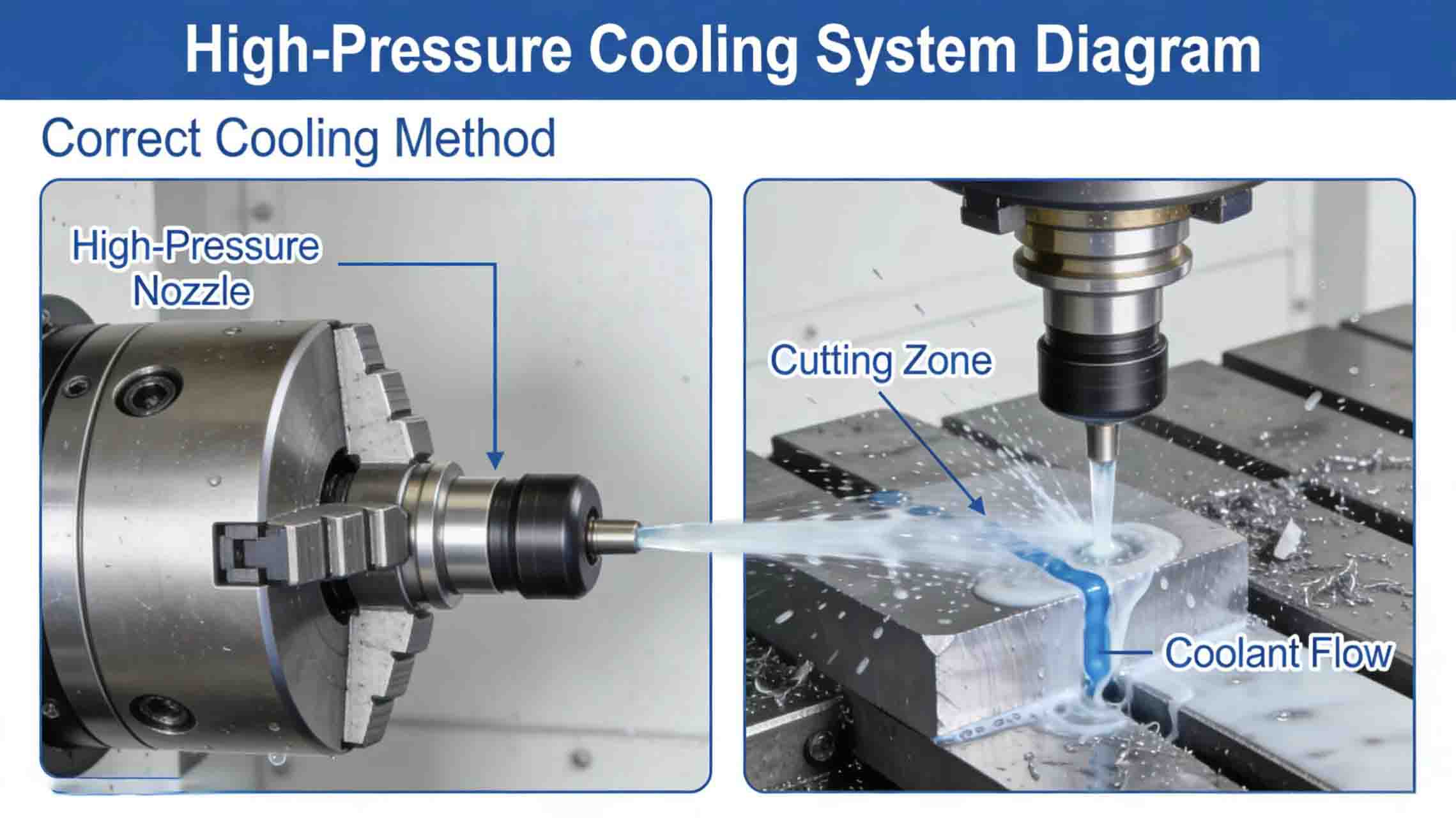
The lubrication and cooling system is a critical line of defense for controlling blade temperature. Cutting fluid not only provides lubrication to reduce friction-generated heat but, more importantly, carries away the heat that has already been generated. If the cutting fluid type is incorrectly selected, the flow rate is insufficient, the spray position is wrong, or the cutting fluid has deteriorated and lost its effectiveness, the heat dissipation will be significantly compromised.
This is especially true during high-speed cutting or when processing difficult-to-machine materials (such as stainless steel, titanium alloy), where the demands on the cooling system are higher. Circular blades used for slitting lithium battery electrodes are particularly sensitive to cooling uniformity; any cooling dead spots can lead to localized overheating.
3. Unreasonable Blade Geometry
The geometric angles of a blade directly affect friction and heat generation during cutting. An excessively small rake angle increases cutting resistance; an excessively small clearance angle intensifies friction between the blade and the workpiece; and an overly large edge radius increases cutting forces. All of these contribute to the generation of excess heat.
For custom slitter blades, the geometry should be optimized based on the specific workpiece. A one-size-fits-all blade often struggles to achieve the optimal thermal balance.
4. Mismatch of Blade Material and Coating
Blades made of different materials have different heat resistance properties. High-speed steel blades possess good red hardness, suitable for cutting at moderate temperatures; carbide blades have better heat resistance; while ceramic and CBN blades are suitable for high-temperature cutting environments.
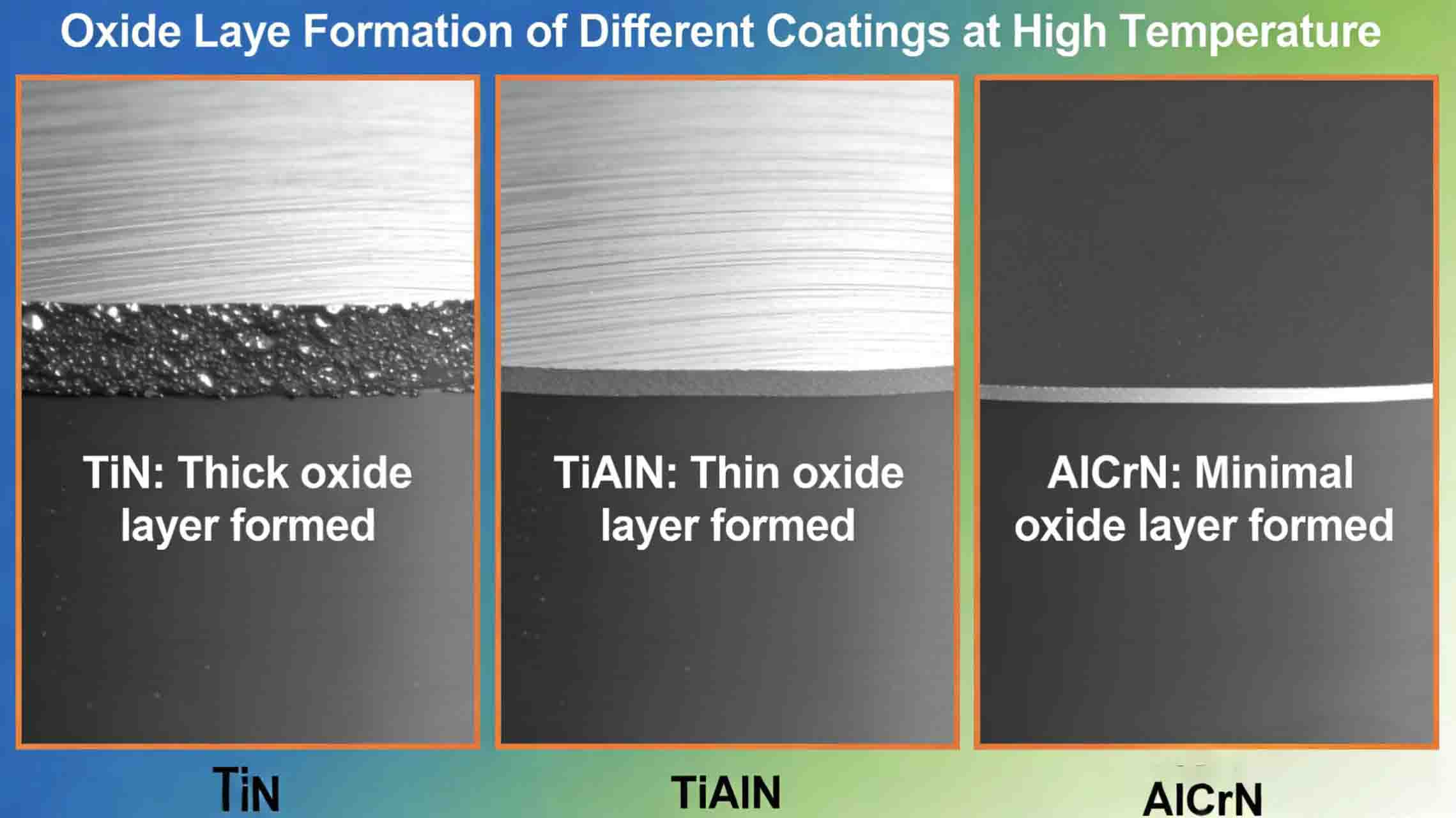
Similarly, the type of coating directly affects the blade's heat resistance. TiN coatings offer good oxidation resistance, while TiAlN coatings can form an aluminum oxide protective layer at high temperatures, providing superior heat resistance. If a coating unsuitable for the operating conditions is selected, the blade will fail rapidly under high temperatures.
5. Blade Wear or Damage
When a blade is already worn or has minor chipping, cutting resistance increases significantly, friction intensifies, and heat generation rises sharply. This overheating further accelerates blade damage, creating a vicious cycle. Therefore, timely replacement of already dulled CNC machined blades is an important measure to prevent overheating.
6. Poor Chip Evacuation
When chips accumulate in the cutting area and cannot be discharged promptly, they create additional friction with the blade and workpiece, generating significant heat. This is especially true when processing sticky materials (such as aluminum, copper), where chips easily adhere to the blade surface, forming a built-up edge (BUE) that further exacerbates overheating.
3. How to Solve Blade Overheating Problems?
1. Optimize Cutting Parameters
Scientifically set cutting speed and feed rate based on blade material, workpiece material, and equipment capabilities. It is recommended to start with parameters recommended by the supplier and gradually adjust based on actual cutting results. Find the balance between efficiency and temperature while ensuring quality.

2. Improve Lubrication and Cooling System
Ensure that the type, concentration, flow rate, and spray angle of the cutting fluid are suitable for the current operating conditions. For demanding applications, consider advanced cooling methods such as high-pressure cooling or Minimum Quantity Lubrication (MQL). Regularly check the condition of the cutting fluid and replace deteriorated fluid promptly.
3. Select Appropriate Blade Geometry
Collaborate with professional tool suppliers to customize blade geometry based on the specific workpiece. Mingbai Technology offers custom blade services, allowing optimization of key parameters such as rake angle, clearance angle, and edge radius according to your material characteristics, equipment conditions, and quality requirements.
4. Choose Material and Coating Matching Heat Resistance Requirements
Select the appropriate blade substrate and coating based on the processing temperature. For high-temperature cutting applications, powder metallurgy high-speed steel with added heat-resistant elements, or high-temperature resistant coatings like TiAlN or AlCrN, can be chosen.
5. Establish a Blade Replacement System
Develop a scientific blade replacement schedule to avoid using excessively worn blades. Maintain a blade usage log, recording the time of each replacement, processing quantity, anomalies, etc., to facilitate pattern analysis and cycle optimization.
6. Improve Chip Evacuation Conditions
Optimize cutting parameters to promote good chip formation and ensure that the cutting fluid effectively washes chips away. For cuts in deep grooves or narrow spaces, consider using compressed air to assist chip evacuation.
4. Mingbai Technology's Solutions
At Mingbai Mechanical Tool Technology Co., Ltd., we not only provide high-quality slitter blades, circular blades, and precision machine blades, but are also dedicated to helping customers solve pain points in actual production. Regarding blade overheating issues, we can offer:
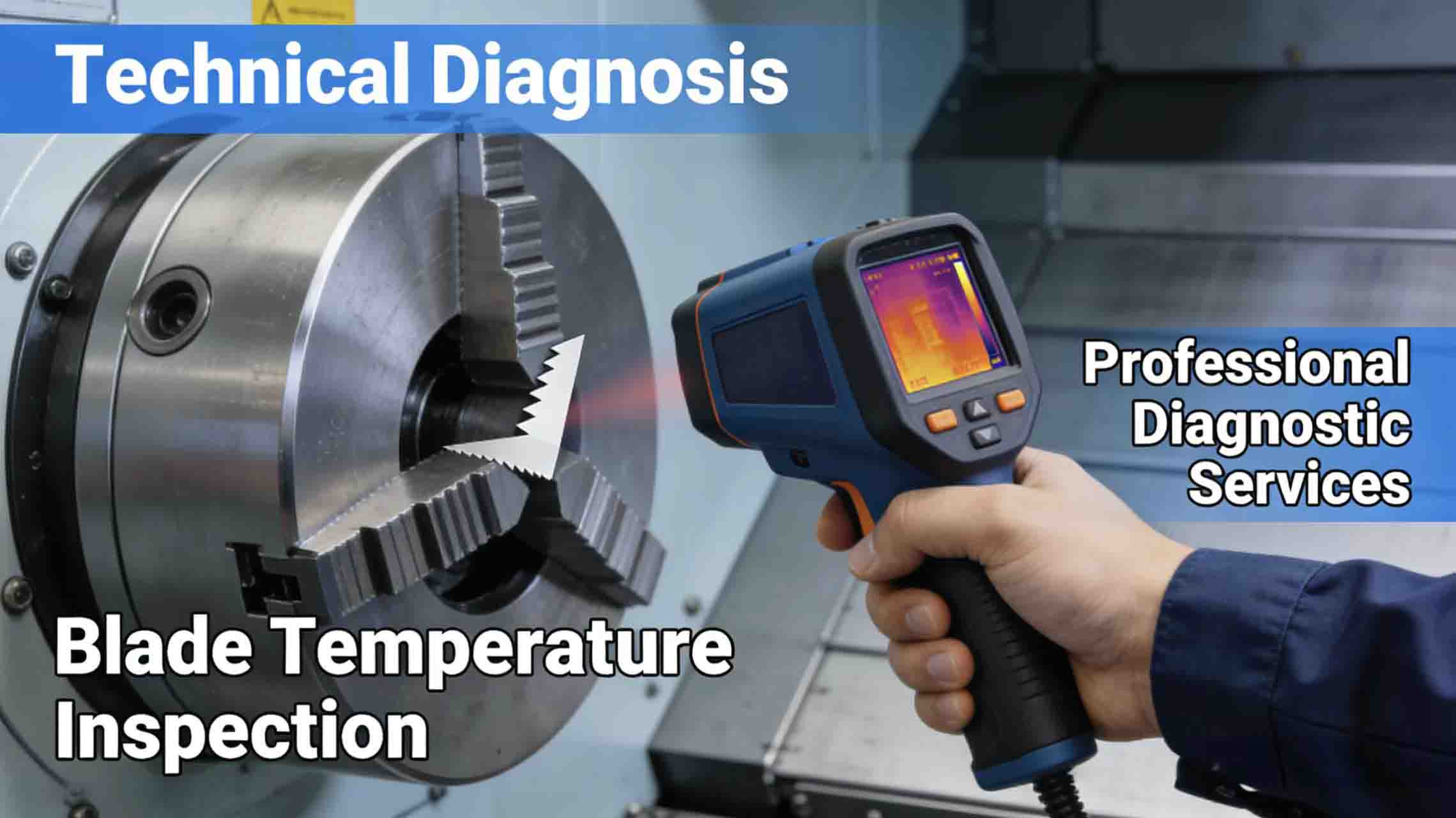
· On-site operating condition diagnosis to analyze the causes of overheating
· Recommendations for the most suitable blade material, coating, and geometric parameters based on material characteristics and equipment conditions
· Custom slitter blade solutions that optimize thermal balance performance from the source
· Assistance in establishing scientific cutting parameters and blade maintenance systems
Conclusion
Blade overheating is not an insurmountable problem. As long as the root cause is identified and targeted measures are taken, temperature can be effectively controlled, blade life extended, and cutting quality improved. If you are also experiencing blade overheating issues in your production, please feel free to contact Mingbai Technology. Let our professional technical team help you solve your problems.
Website: www.mingbaiblade.com
 IPv6 network supported |
Sitemap
|
Xml
|
Privacy Policy
IPv6 network supported |
Sitemap
|
Xml
|
Privacy Policy
leave a message
Scan to wechat :

Scan to whatsapp :
