 Email: Mb@mingbaiblade.com
 Tel.: +86-13855519988
Email: Mb@mingbaiblade.comTel.: +86-13855519988

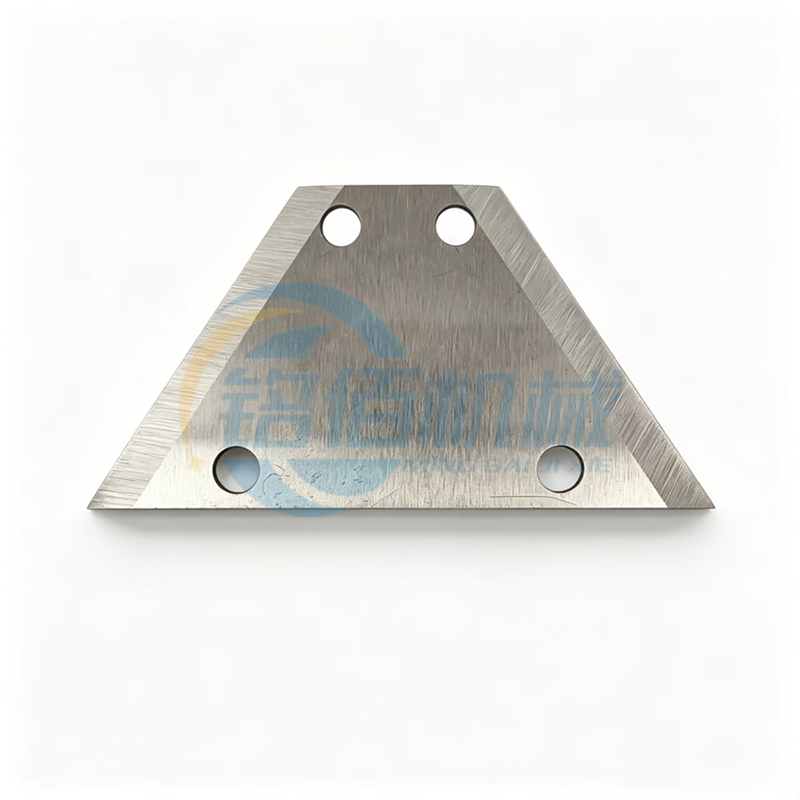
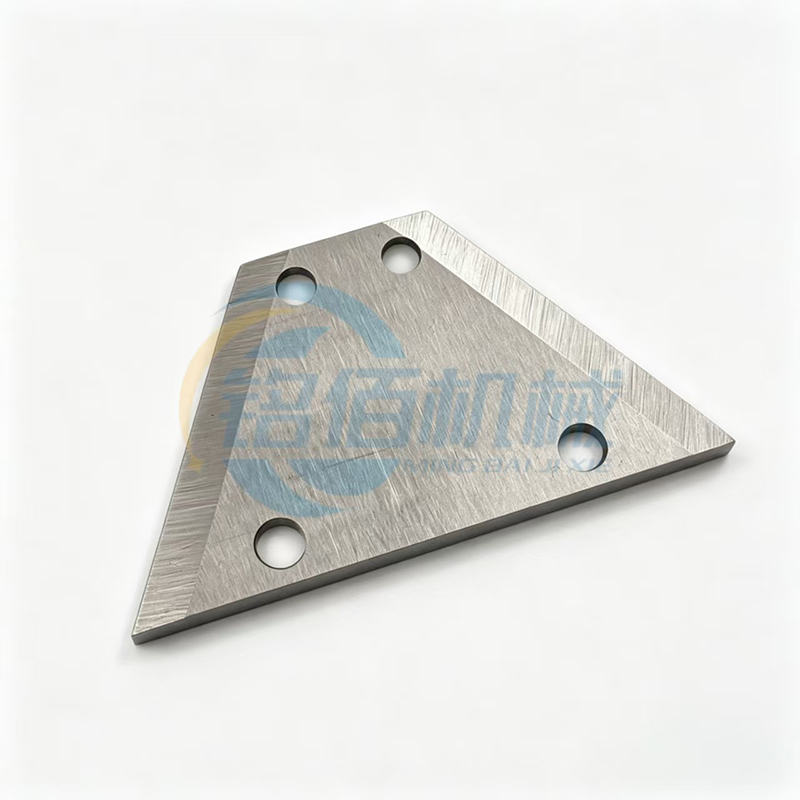
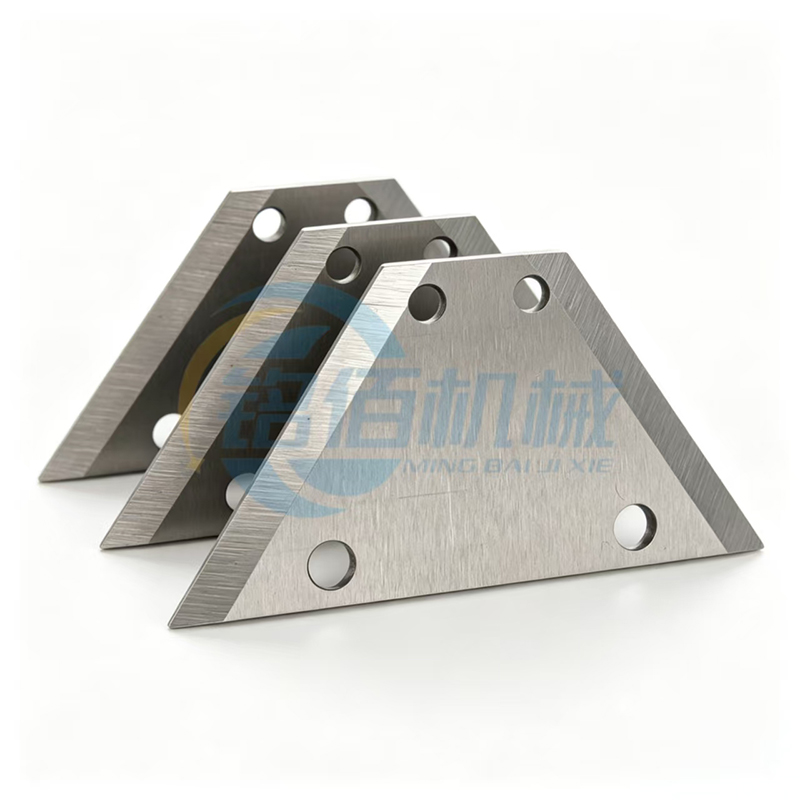
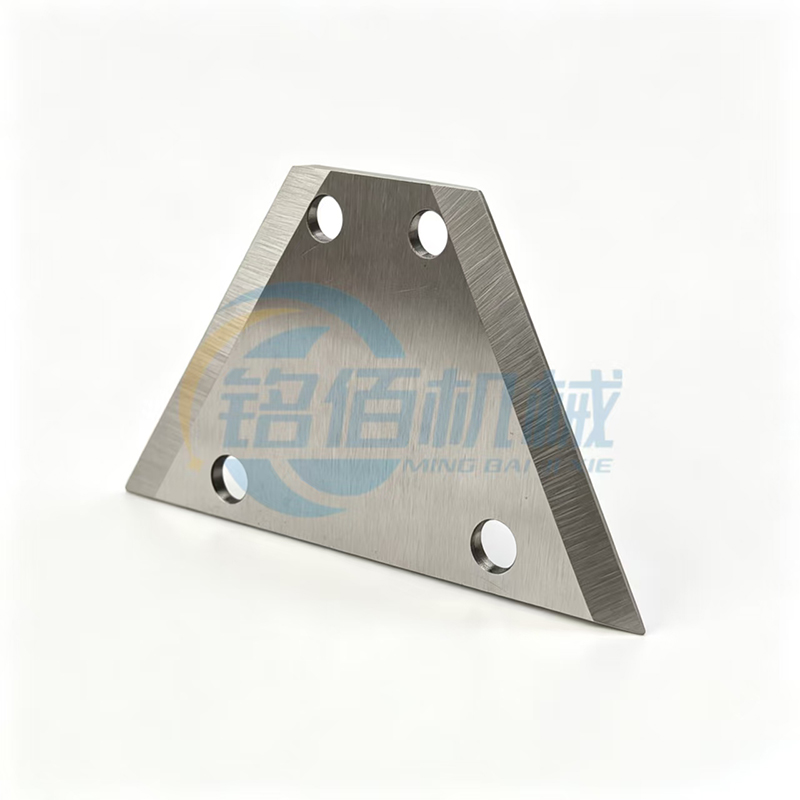
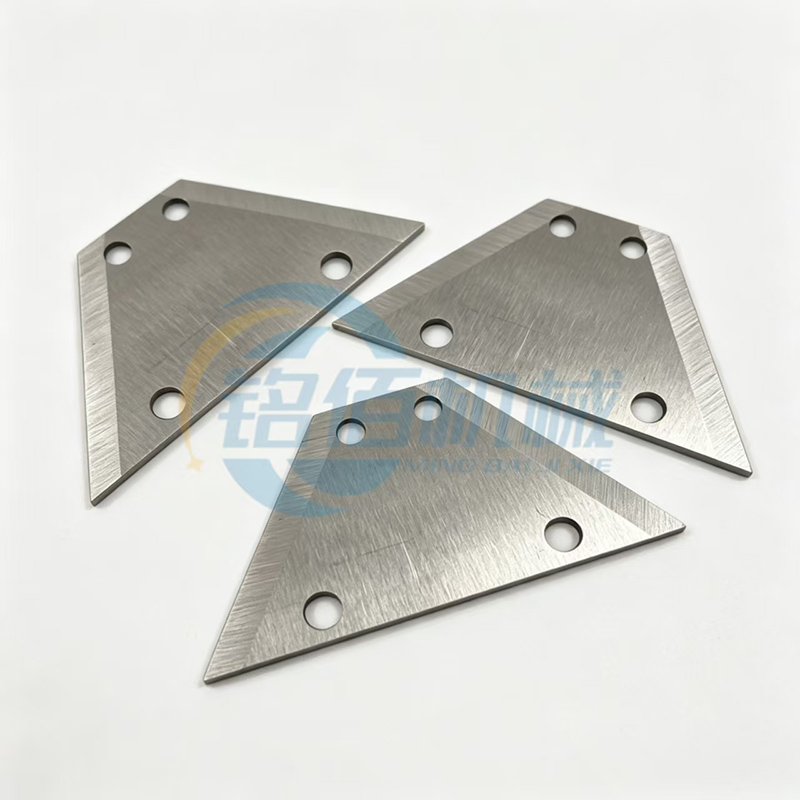
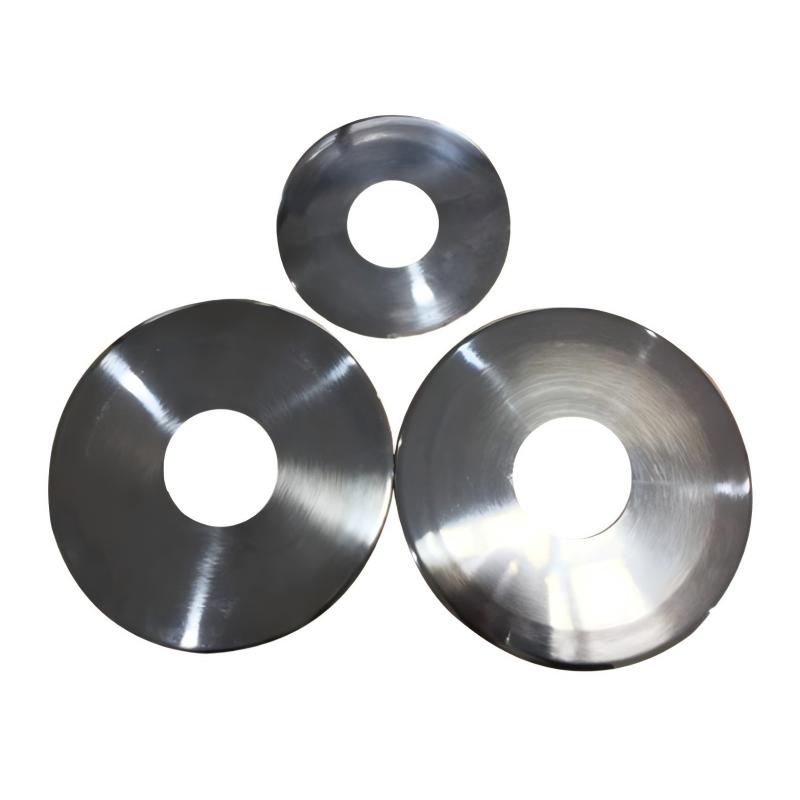
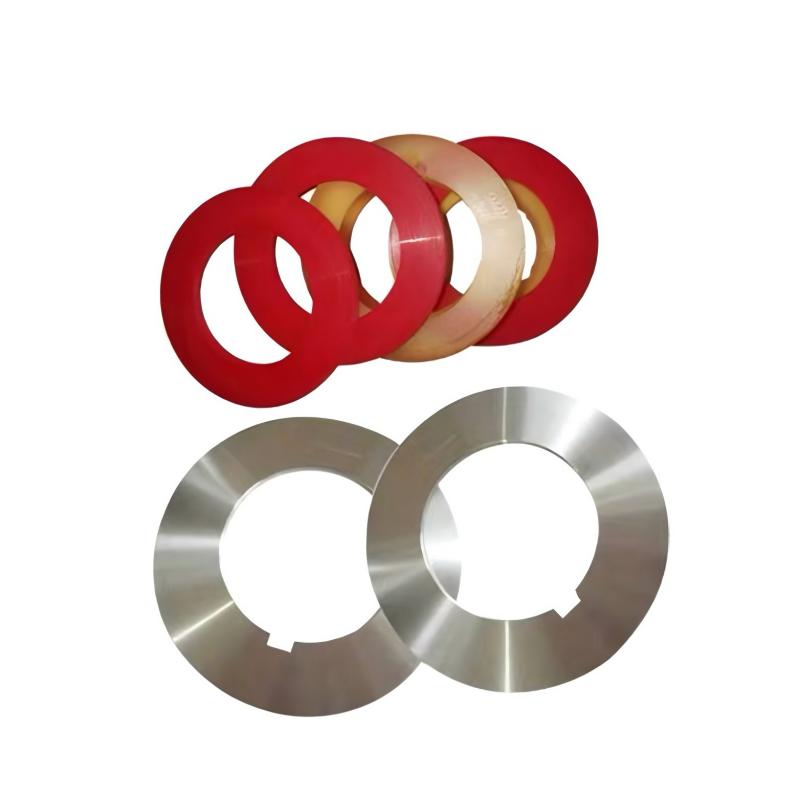
Specifically designed for automated cutting of various pipe materials, suitable for high‑volume fixed‑length cutting and slitting of metal pipes (steel, stainless steel, copper, aluminum) and plastic pipes (PVC, PPR, PE). Manufactured from high‑speed steel, cemented carbide, cermet, and high‑quality alloy steels with precision heat treatment and grinding, the blades offer high hardness, excellent wear resistance, and superior impact toughness. Widely used in pipe processing, automotive parts manufacturing, furniture tubing processing, construction and plumbing installation, these blades are compatible with various automatic pipe cutters, pipe cutting production lines, and pipe sawing equipment, delivering fast, accurate, and clean cuts with smooth, burr‑free surfaces.
Product Name :
High-Speed Steel Metal Pipe Cutting Machine BladeOrder(MOQ) :
1PCSPayment :
T/T,Western union,Alibaba,International Bank TransferMaterial :
M42、 9CrSiShipping Port :
Shanghai/Guangzhou or otherOEM/ODM :
support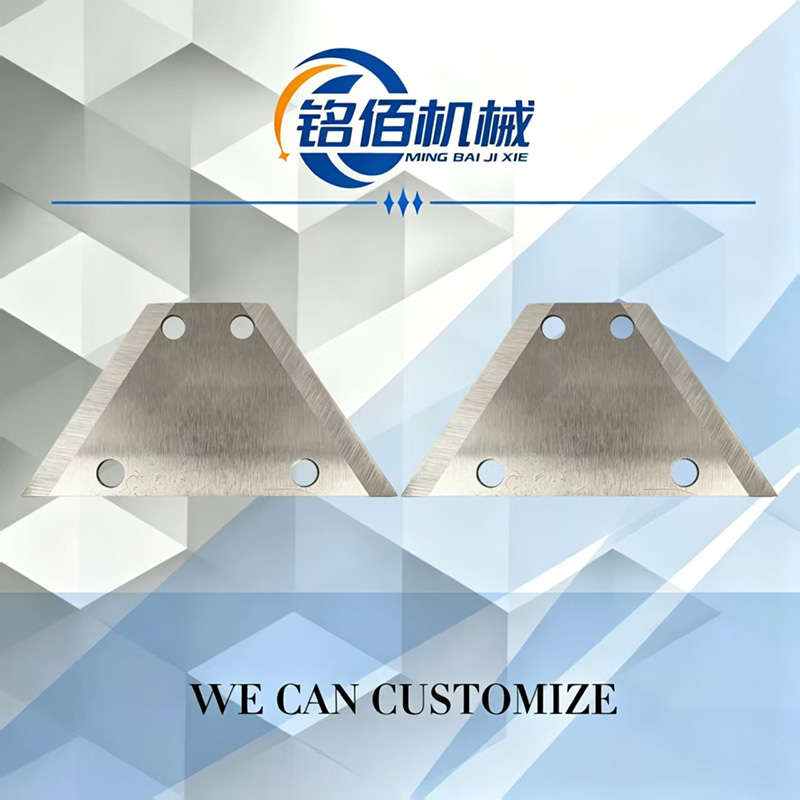
Product overview
Pipe cutting machine blades are high-efficiency rotary cutting tools specifically designed for fixed-length severing of metal and plastic pipes. Centered on "high impact resistance, superior wear resistance, and smooth cut faces," they complete cuts in a single high-speed pass with perpendicular, burr-free ends and no pipe deformation, making them core consumables on pipe processing lines.
Product applications
Specifically designed for automatic pipe cutting machines, circular saw cutters, roller-type tube cutters, and high-speed pipe cutting lines, suitable for cutting stainless steel pipes, copper tubes, aluminum pipes, iron pipes, galvanized pipes, and engineering plastics (UPVC, PE), achieving high-precision fixed-length cutting.
Common materials
High-speed steel (HSS), powder metallurgy HSS (PM-HSS), solid cemented carbide, or carbide-tipped circular saw blades; optional TiAlN, CrN, and other heat- and wear-resistant coatings for dry or wet cutting conditions.
Broad cutting parameter tolerance
These blades maintain stable performance across a wide range of feed speeds and cutting velocities, delivering acceptable cut quality even when parameter fluctuations occur due to operator habits or aging equipment, offering greater process flexibility.
Our production process:
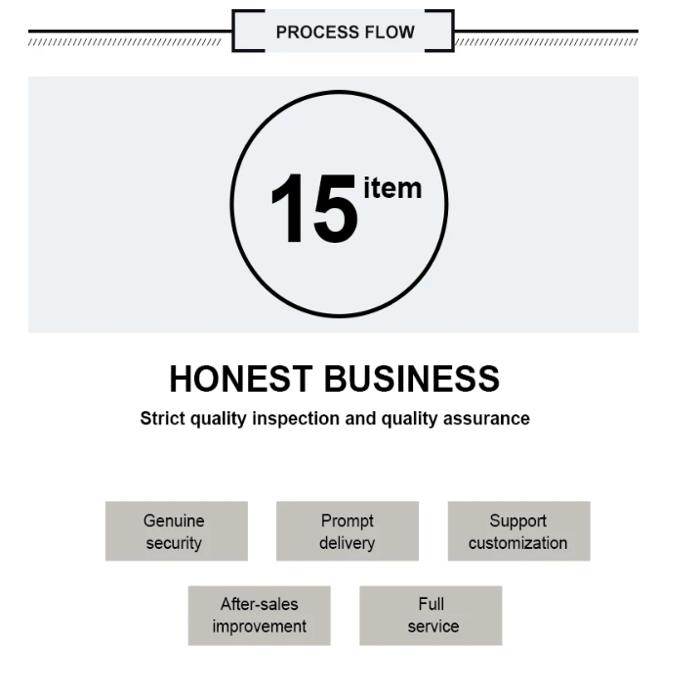
1.Cutting
2.Forging
3.Plastic surgery
4.Heat treatment
5.Modification
6.Slice
7.Initial grinding
8.Sharpen
9.Plastic surgery
10.Fine grinding
11.Plastic surgery
12.Chamfer
13.Test
14.Package
15.Factory
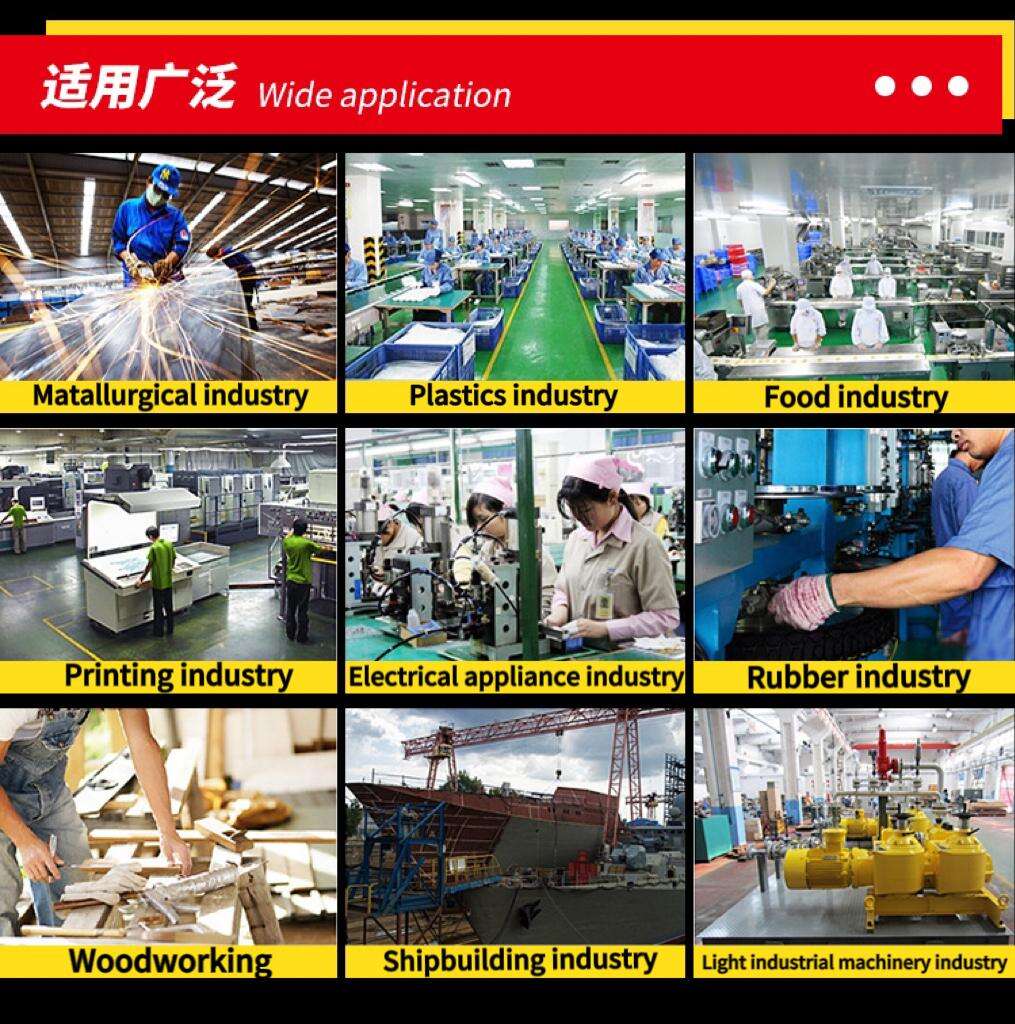
Our products serve all walks of life:
Suitable for cartons, corrugated paper, gift boxes, advertising industry chevron board, KT board, cardboard cutting, clothing fabrics, carbon fiber and glass fiber, various papers, films, PET, automobile wire ring mats, various composite materials fully surrounded mats, rubber, gray board, plastic, embroidery materials, automobiles, carriages, papermaking, textiles, metallized film, tobacco, packaging materials, BOPP film, food machinery, medicinal materials, aluminum foil, metallized film, tobacco, electronics, light industry, food, leather, chemical fiber, glass fiber, textiles, stationery, plastics, feed, paper tubes, cartons, woodworking and other industries.

Packing&Shipping
Efficient logistics and distribution: We use fast and reliable logistics partners to ensure that your order can be delivered in time. We work with world-renowned logistics companies to provide flexible logistics options and full tracking services so that you can always know the shipping status of your goods.
FAQ:
Q1: What are the common materials used for pipe cutting blades, and which pipes are they suitable for?
A: Common materials are high‑speed steel, cemented carbide, and cermet. HSS offers good cost‑performance and toughness, suitable for low‑to‑medium speed cutting of ordinary steel, copper, aluminum, and plastic pipes. Cemented carbide provides high hardness and wear resistance, ideal for stainless steel, high‑hardness metal pipes, or high‑speed mass production. Cermet combines high hardness with excellent chipping resistance, suitable for precision cutting of thin‑walled or high‑precision pipes.
Q2: Can these blades cut stainless steel pipes?
A: Yes. For stainless steel pipes, we recommend cemented carbide (tungsten steel) or cermet blades, as they offer high hardness and wear resistance to effectively withstand the high‑temperature toughness and work‑hardening of stainless steel, ensuring smooth cuts and longer blade life. HSS blades can also cut stainless steel but will have a shorter lifespan due to the higher abrasiveness.
Q3: Is higher hardness always better for pipe cutting blades?
A: Not necessarily. Higher hardness improves wear resistance but reduces toughness, increasing the risk of chipping. For continuous high‑speed cutting or hard pipes, higher hardness is beneficial; for thick‑walled pipes or applications with impact loads, a balance between hardness and toughness is required. We can recommend the optimal hardness based on your pipe material, wall thickness, and machine speed.
Q4: What is the difference between cutting plastic pipes (PVC/PPR) and metal pipes?
A: Cutting plastic pipes requires blades with high sharpness and low cutting resistance to avoid melting the pipe end, typically using HSS or carbide fine‑tooth blades. Cutting metal pipes requires higher hardness and wear resistance, along with sufficient impact toughness; tooth designs are usually more robust. We can customize blades for your specific pipe material.
Q5: How do I know when pipe cutting blades need replacement or resharpening?
A: Replace or resharpen when you observe: rough cuts with burrs or deformation; significantly reduced cutting efficiency with increased feed resistance; abnormal cutting noise (high‑pitched squealing or dull thudding); stepped or skewed pipe ends; or visibly worn, dull, or chipped teeth. We recommend establishing a regular inspection and resharpening schedule to maintain cut quality and production efficiency.
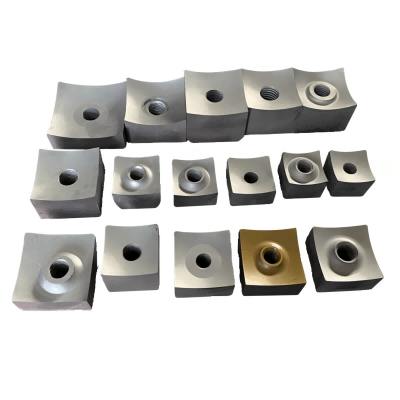
Single-shaft shredder blades are used to process materials such as wood, metal, garbage, rubber, and plastic. Their cutting surface is round (R-shaped). The blade has a convex or flat hole in the center and usually has four cutting heads.
Details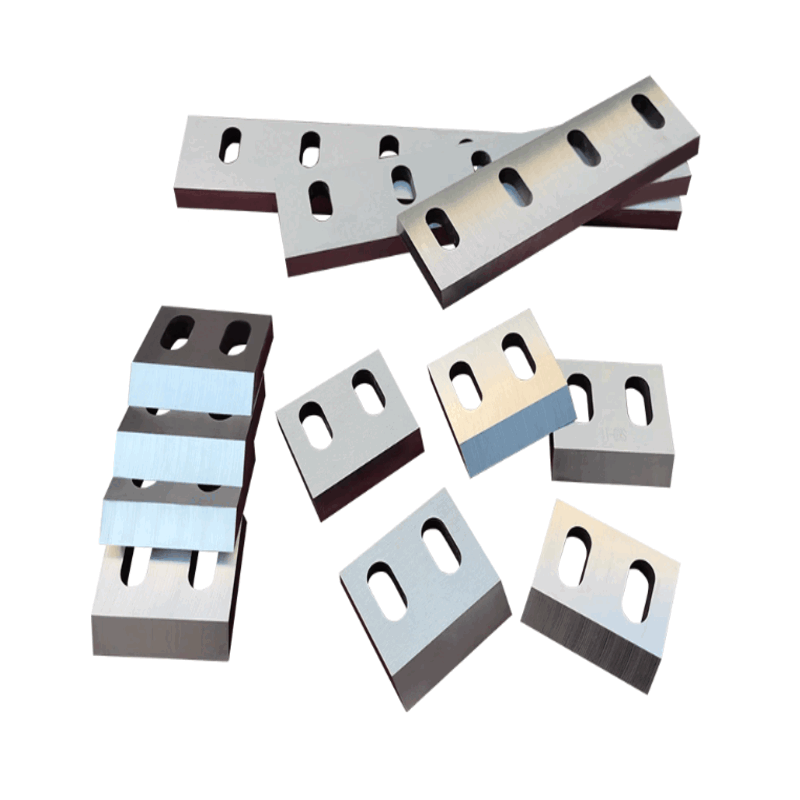
Plastic shredder blades are designed to withstand the high impact and shear forces required to shred a variety of plastic materials. These blades are highly wear-resistant, durable, and precision-engineered to ensure efficient cutting and a long service life.
Details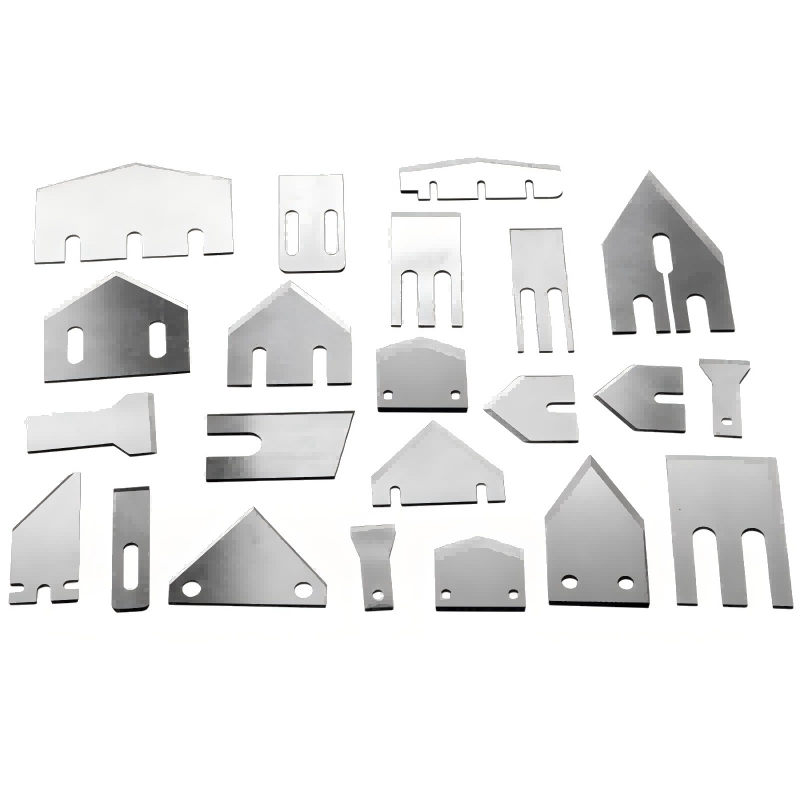
Pelletizer blades are known by many different names: pelletizing blades, pelletizing cutting blades, pelletizing knives, die-face cutting blades, die-face blades, hot die-face cutting blades, and pelletizer cutting blades. However, their purpose is the same: to recycle materials into pellets.
Details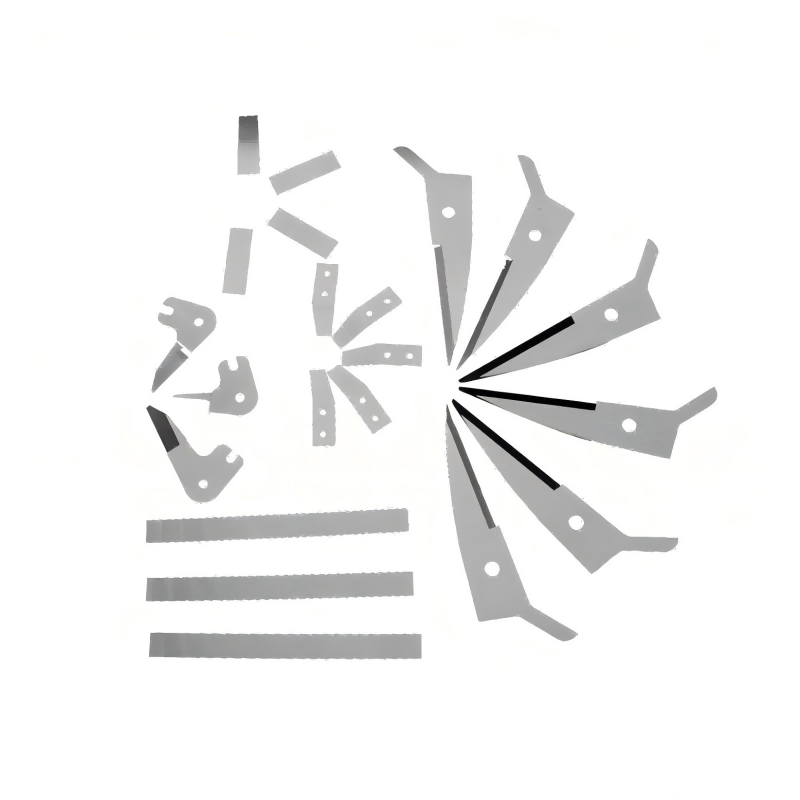
Mask blades are key components in mask production equipment, primarily used for cutting and shaping mask fabric, ear straps, nose bridges, and other materials. They are typically installed on mask machines, slitting machines, and edge banding machines to ensure clean, burr-free cuts, improving production efficiency and mask quality.
Details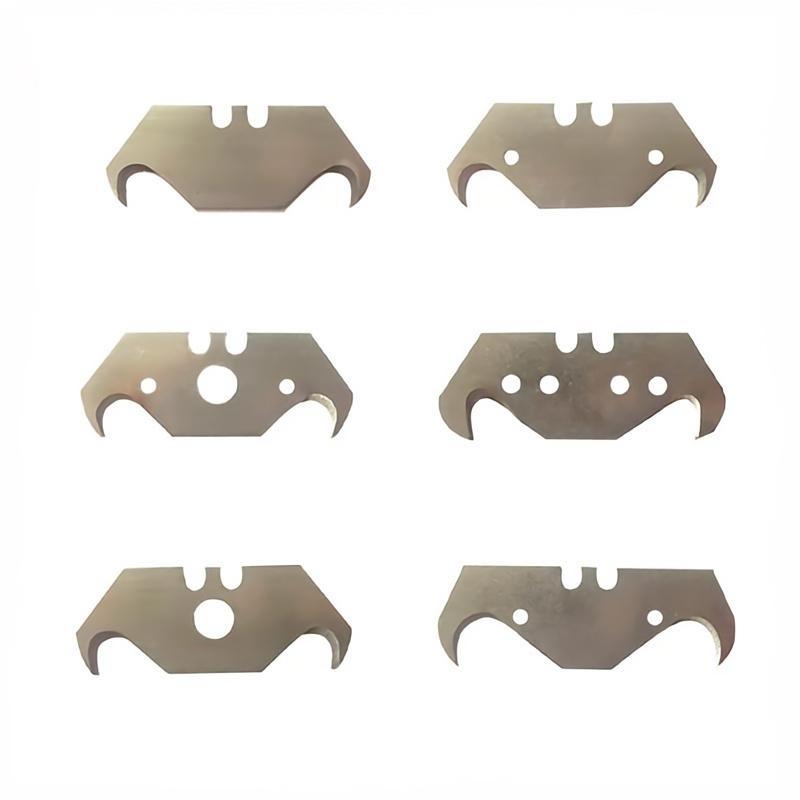
Bullhorn blades are commonly used in industrial cutting tools in industries such as plastic packaging, rubber, paper products, textiles, film, and food packaging. They are named for their curved ends, resembling bull horns. These blades are typically installed in packaging machines, bag making machines, and cutting machines for hot or cold cutting, or cutting to length, films, plastic bags, and paper.
Details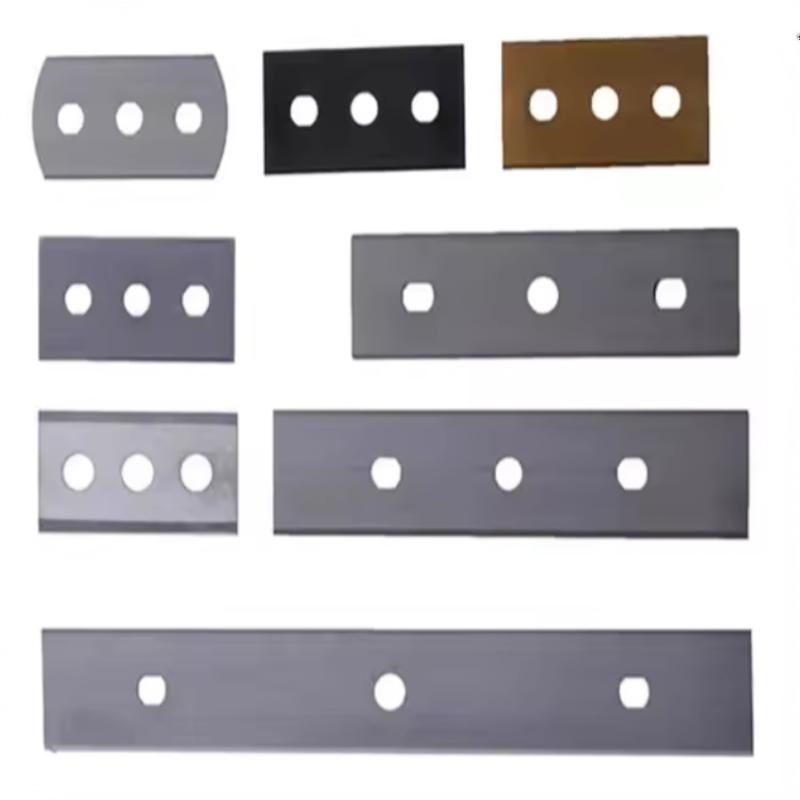
Three-hole blades are widely used in industrial cutting applications for precision cutting of films, tapes, paper, fibers, nonwovens, electronic materials, and medical materials.
Details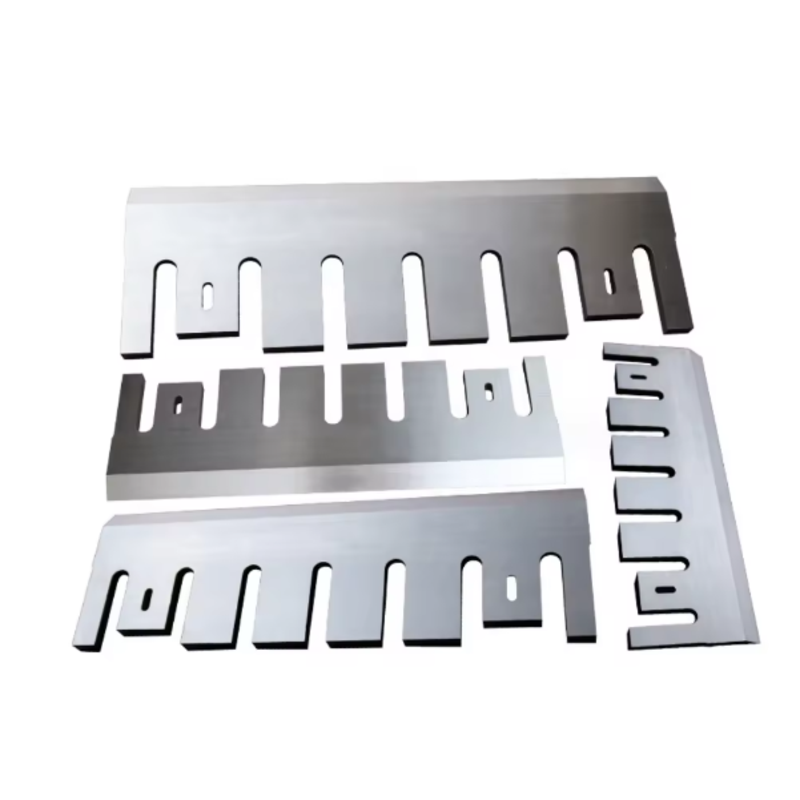
Chipper blades are key cutting components used in wood chipping equipment, primarily used to process logs, branches, bamboo, and board scraps into chips of specified sizes. The blades achieve efficient cutting through high-speed rotation and are widely used in the wood-based panel, papermaking, wood pulp, forestry processing, bamboo products, and biomass energy industries.
Details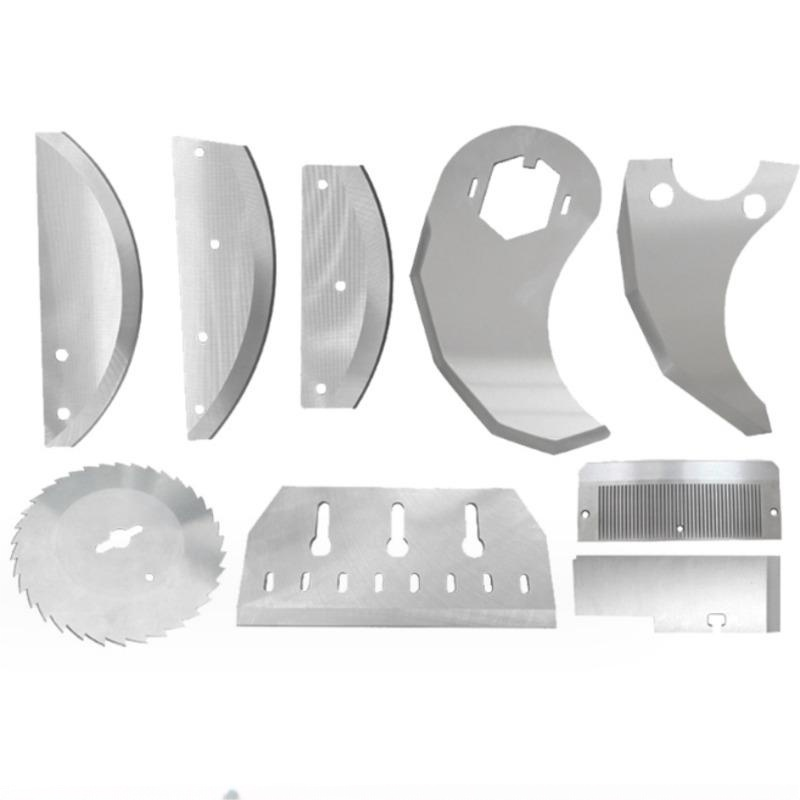
This precision cutting blades is widely used in the processing of meat products, surimi products, sausages, ham, frozen foods, dumpling fillings, and snack foods.
Details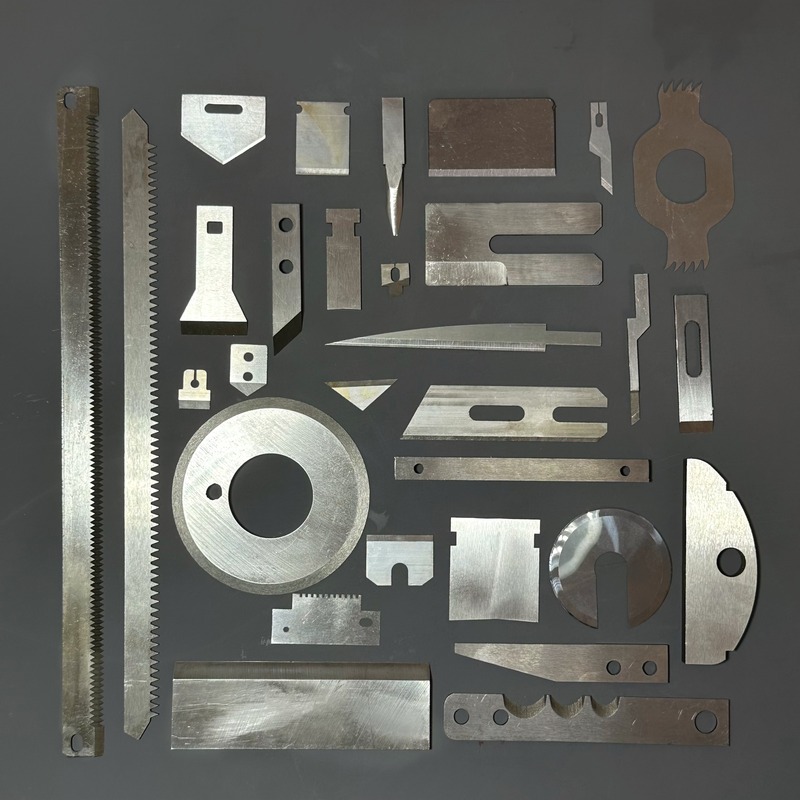
These blades are widely used in industries such as rubber and plastics, textiles, packaging, electronics, papermaking, food, metallurgy, medical, and automotive parts processing, for processes such as slitting, trimming, punching, forming, and cutting.
Details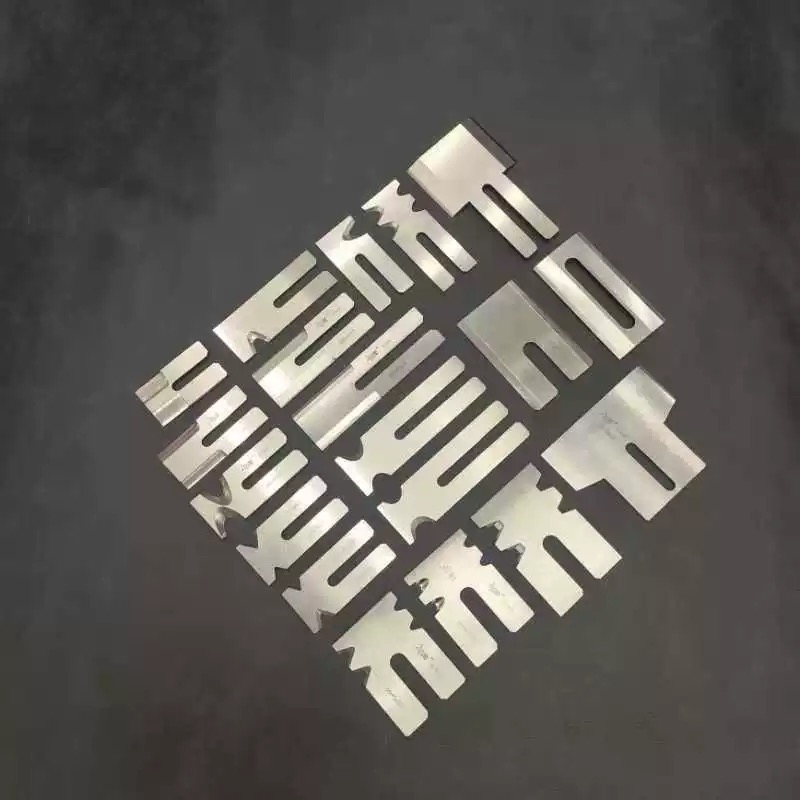
The photovoltaic trimming knife is a high-precision tool designed specifically for trimming and cutting the edges of photovoltaic modules. It is primarily used for trimming silicon wafers, solar cells, glass edges, aluminum frames, and packaging materials. Made of high-quality alloy steel or superhard materials, the knife is sharp, wear-resistant, and provides smooth cutting. It effectively improves the machining accuracy and appearance quality of photovoltaic modules.
Details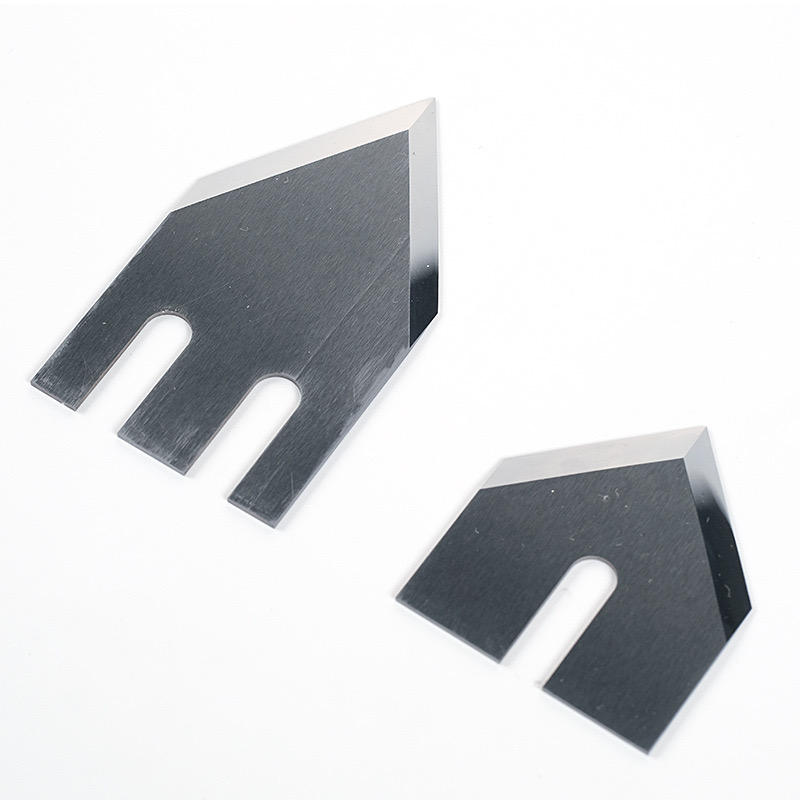
Tungsten carbide laminating machine blades are high-precision cutting tools designed specifically for laminating, slitting, and packaging machines. They are primarily used for slitting and trimming plastic films, paper-plastic composite films, metal foils, photovoltaic films, and other materials. Made from high-quality cemented carbide (tungsten carbide), the blades offer high hardness, high wear resistance, and exceptional cutting sharpness, ensuring smooth and efficient cutting performance even in high-speed production.
Details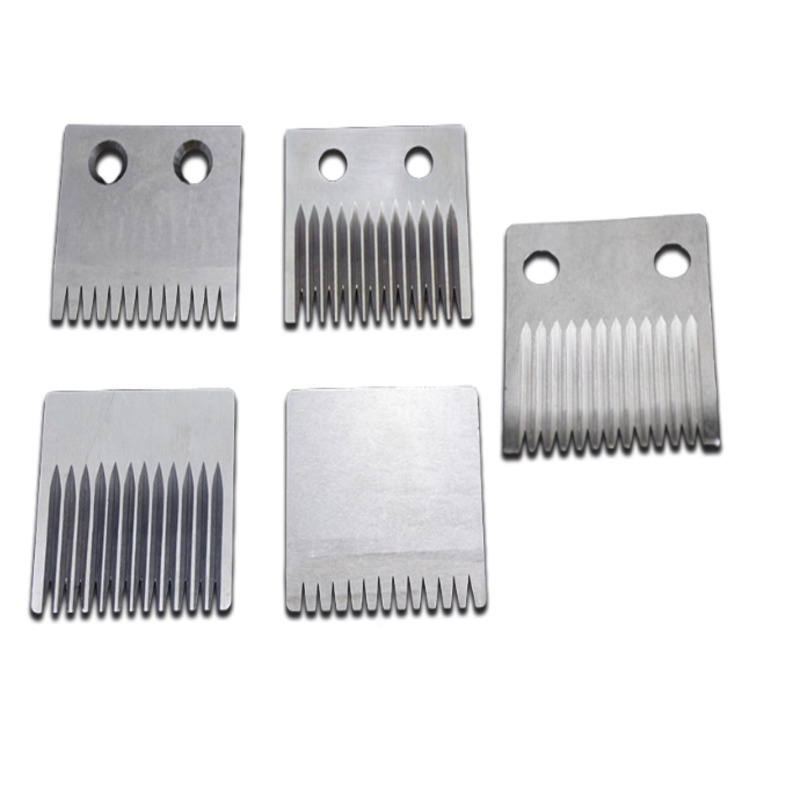
It is widely used in tire molding, post-vulcanization trimming, and rubber product finishing processes, making it a critical tool in tire production lines.
Details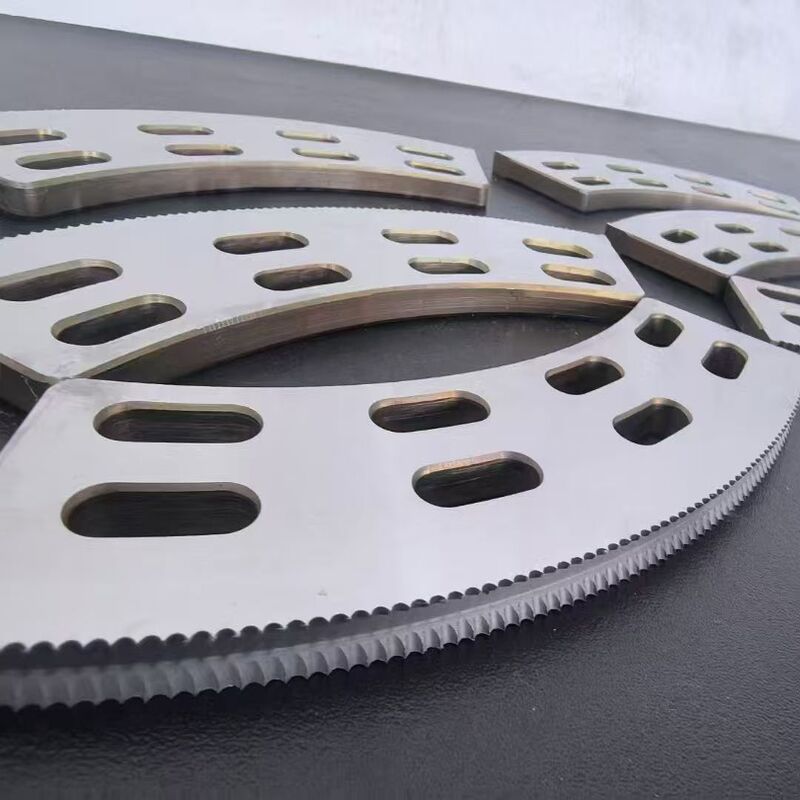
These high accuracy blades are widely used in carton printing machines, slotting machines, and paper separators, making them an indispensable tool in the corrugated cardboard processing industry.
Details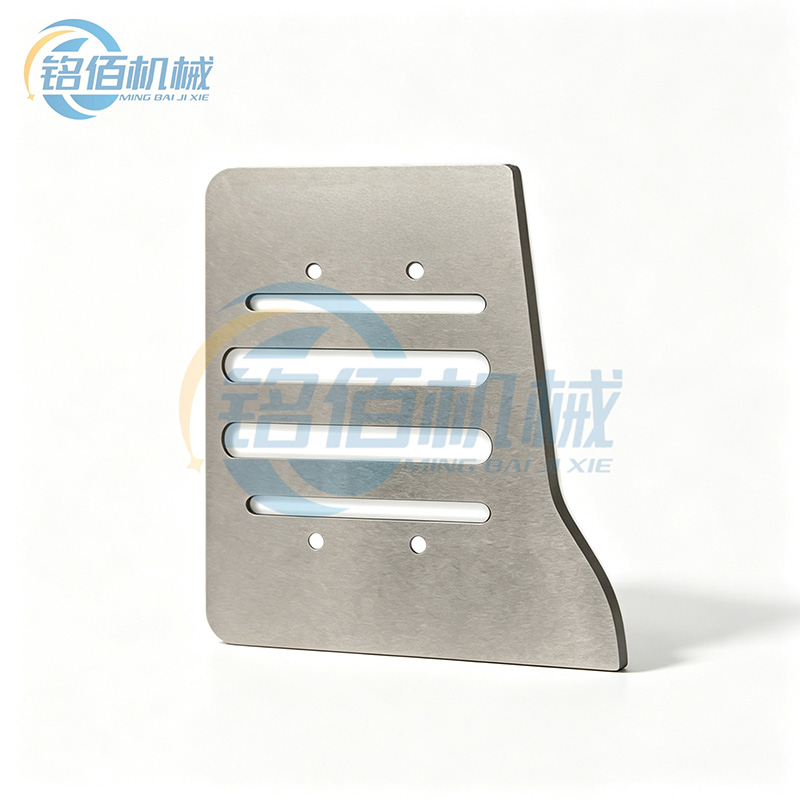
Designed for high‑precision slitting of adhesive tape rolls, composite materials and film substrates. Manufactured from high‑quality tungsten carbide (cemented carbide) and high‑performance alloy steels, the blades offer exceptional sharpness and wear resistance. They are suitable for cutting BOPP tape, double‑sided tape, medical breathable bandages, electronic sealing tapes, and many other adhesive products. Whether used in packaging, electronics, medical, or composite material industries, the blades ensure clean, burr‑free cuts with no adhesive residue, delivering stable cutting performance.
Details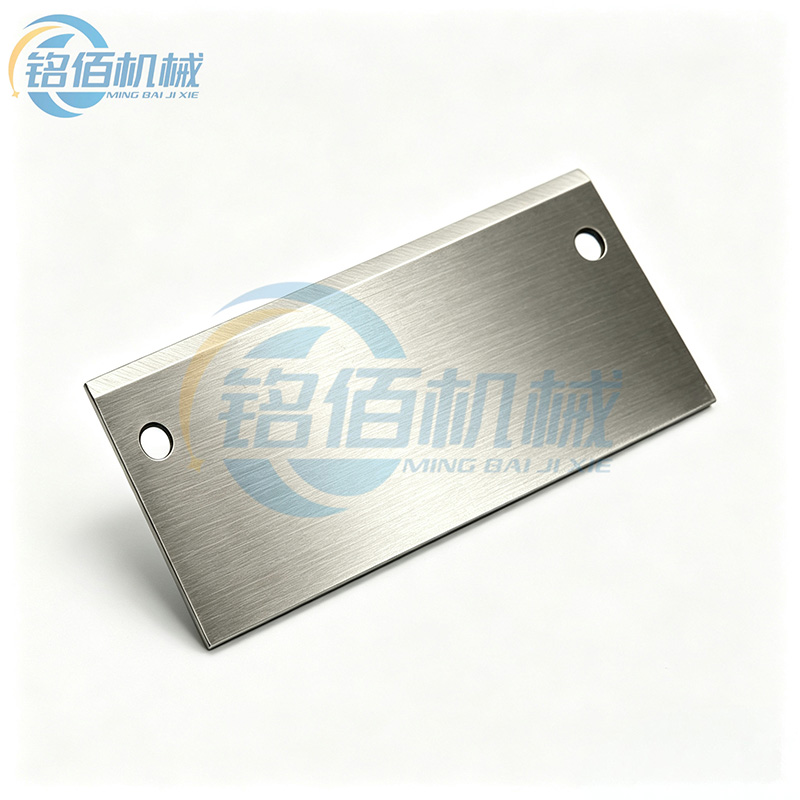
Engineered for slicing and dicing Chinese medicinal herbs, rhizomes, and botanical materials. Made from high‑speed steel, cemented carbide, and tool steels, the blades are sharp, durable, and capable of precisely cutting both dry and wet herbal materials. Widely used in Chinese medicine processing, herbal powder production, and pharmaceutical manufacturing lines, these blades ensure uniform slice thickness, flat cuts, and minimal breakage, thereby improving the utilization rate and processing efficiency of medicinal materials.
Details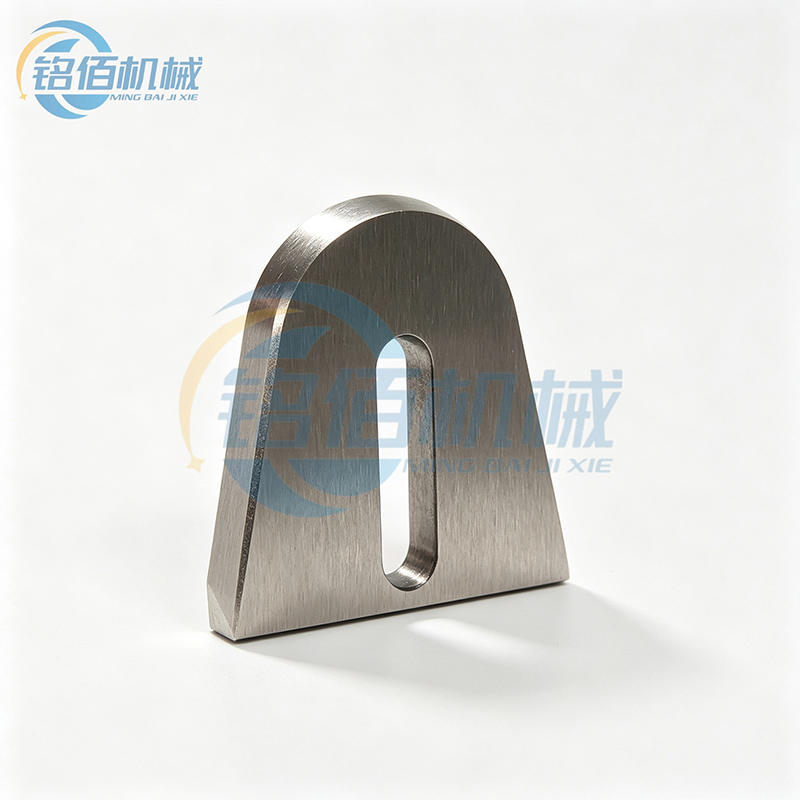
Specifically developed for fish processing and seafood handling operations, ideal for deboning, skinning, and portioning fish fillets. Manufactured from high‑strength stainless steel and quality alloy steels, the blades are sharp, flexible, and conform closely to the natural contours of the fish, enabling precise, clean cuts. Widely used in seafood processing plants, food production lines, and cold‑chain logistics companies, these blades increase meat yield and reduce waste.
Details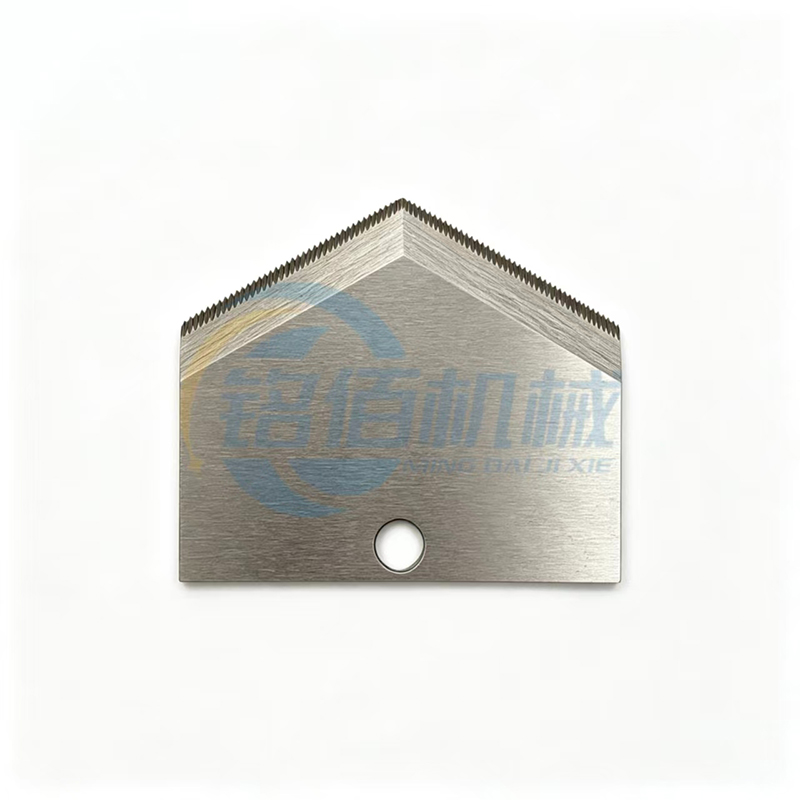
Designed for trimming and edge finishing on fully automatic and semi‑automatic edge banding machines in panel furniture, cabinet, and woodworking production. Manufactured from high‑quality cemented carbide (tungsten carbide) and PCD (polycrystalline diamond) materials, these blades offer exceptional hardness and wear resistance. They are compatible with major edge bander brands such as Homag, Biesse, IMA, and SCM, and can accurately trim PVC, ABS, melamine, wood veneer, and other edge banding materials. The blades ensure smooth, burr‑free finished edges, significantly improving the overall quality and appearance of finished furniture products.
Details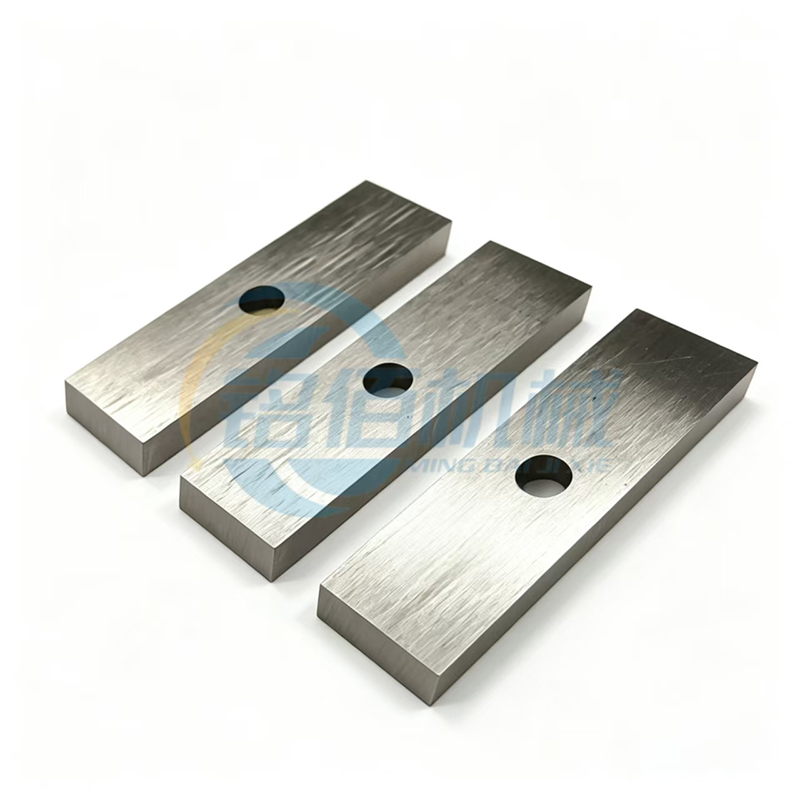
Specifically designed for fruit and vegetable processing, these blades are ideal for dicing, cubing, and strip‑cutting of various fruits and vegetables. Made from high‑quality stainless steel and high‑hardness alloy steels, they offer excellent sharpness, wear resistance, and corrosion resistance. Widely used in fruit canning, quick‑frozen fruit and vegetable production, fresh‑cut produce distribution, and central kitchens, these blades can precisely cut fruits such as apples, mangoes, pineapples, and dragon fruit into uniform dice or strips, ensuring consistent product size and appearance, thereby improving processing efficiency and product added value.
Details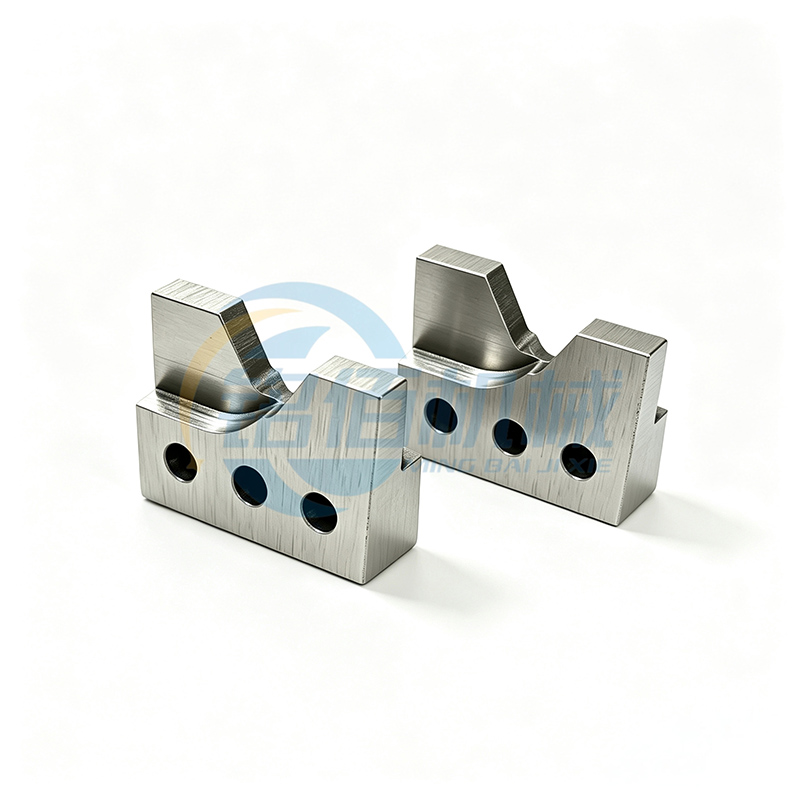
These blades are specially designed for deburring, chamfering, and edge finishing of various metal and plastic pipes during pipe processing, installation, and maintenance. Manufactured from high‑speed steel (HSS) and high‑quality alloy steels with precision heat treatment, they offer high hardness and excellent wear resistance. Widely used for copper, aluminum, stainless steel, PVC, and other pipe materials, these blades can quickly remove burrs and sharp edges from both inner and outer walls, ensuring smooth, safe pipe ends and improving connection quality and installation efficiency.
Details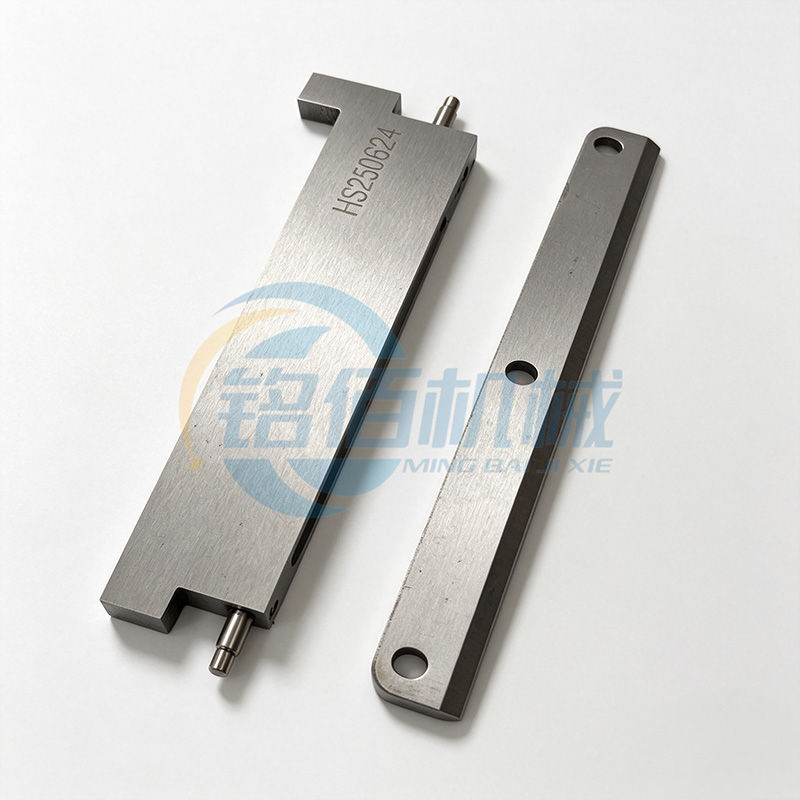
Engineered for slitting and cutting of wet wipes, non‑woven fabrics, and tissue products in production lines. These blades are suitable for rotary cutting, slitting, and fixed‑length cutting on wet wipe manufacturing equipment. Made from cemented carbide (tungsten carbide), high‑speed steel, and stainless steel, they offer high sharpness, excellent wear resistance, and superior corrosion resistance. Widely applied in baby wipes, disinfectant wipes, cosmetic pads, and non‑woven product lines, these blades deliver clean, burr‑free, and deformation‑free cuts, ensuring product quality and production efficiency.
Details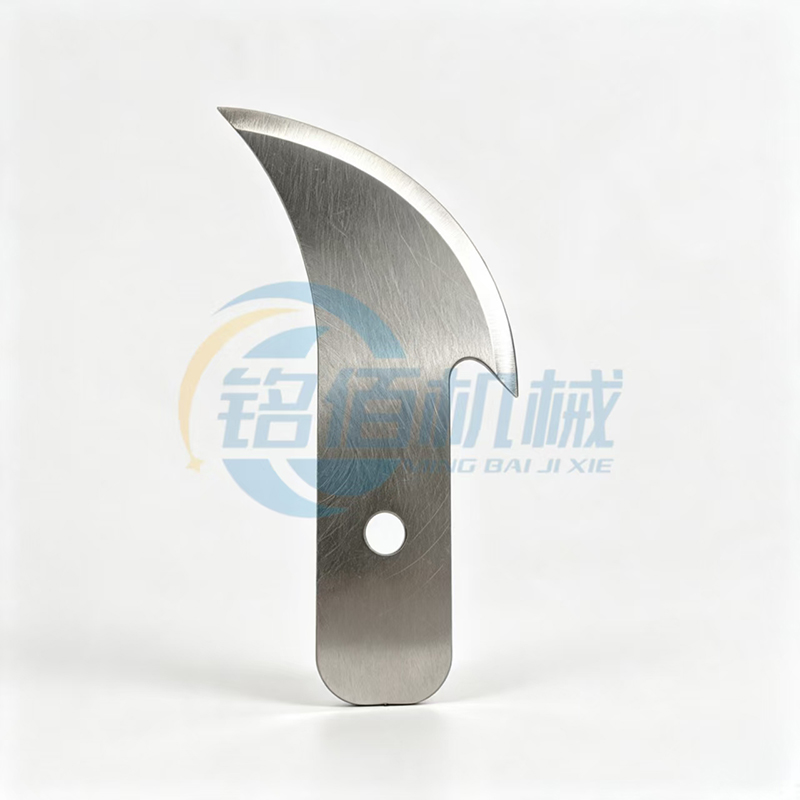
These blades are designed for precise cutting of various metal pipes (copper, aluminum, stainless steel, steel) and plastic pipes (PVC, PPR). Manufactured from high‑speed steel (HSS), alloy steel, and SK5 high‑carbon steel with precision heat treatment, they provide high hardness, sharpness, and excellent wear resistance. Widely used in pipe installation, plumbing, industrial pipe processing, and home renovation, these blades enable fast, accurate, and clean cuts, improving installation efficiency and pipe connection quality.
Details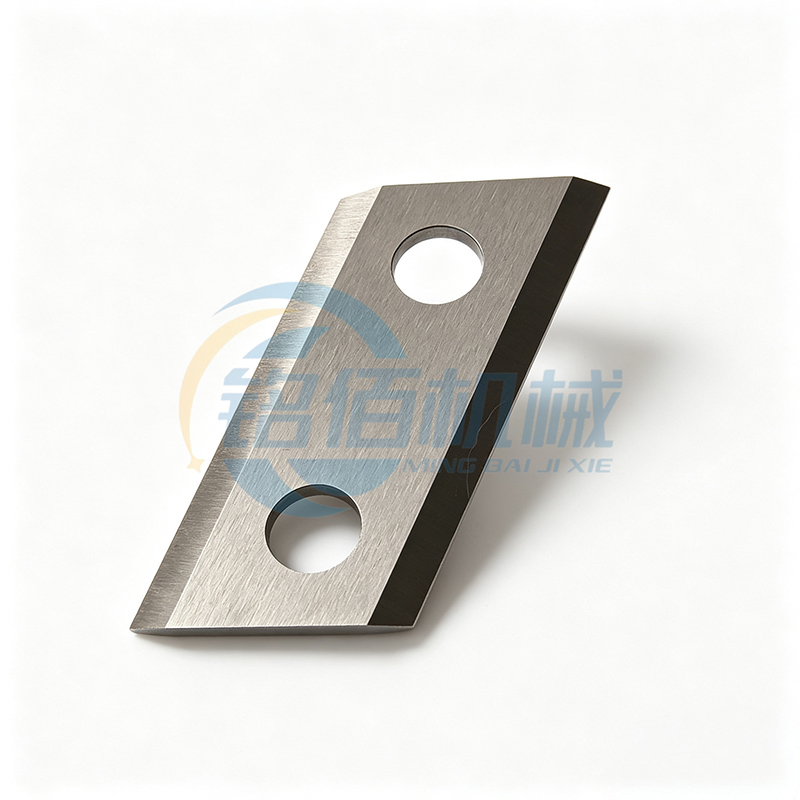
These blades are designed for garden pruning, orchard trimming, and landscape maintenance, suitable for manual and electric pruning shears, grass shears, and hedge shears. Made from SK5 high‑carbon steel, 65Mn manganese steel, and high‑quality stainless steel with full heat treatment and precision grinding, they offer high hardness, sharpness, and excellent wear resistance. Widely used in landscaping, orchard farming, floriculture, and municipal maintenance, these blades can easily cut branches, grass, and hedges, ensuring smooth cuts and efficient operation, thereby improving work efficiency and user experience.
Details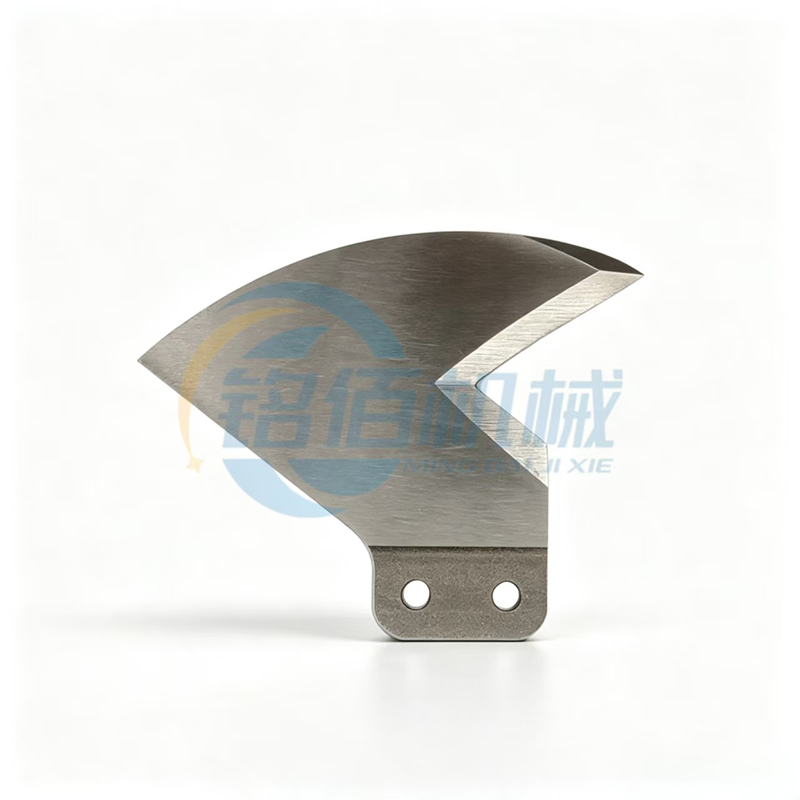
Designed specifically for deburring and trimming operations in tire manufacturing and rubber processing industries, suitable for post‑cure tread finishing, vent hole trimming, and flash removal on various tire types. Manufactured from tungsten carbide (cemented carbide), high‑speed steel, and high‑quality alloy tool steels, the blades offer extremely high hardness, wear resistance, and heat resistance, effectively resisting abrasive wear caused by rubber compounds and textile reinforcing materials. Widely used in automatic trimming systems on tire production lines and rubber product processing equipment, compatible with mainstream trimming machines such as Spadone, Pelmar, and Akarmak. The blades ensure smooth, burr‑free cuts, significantly improving the surface quality and production efficiency of finished tires.
Details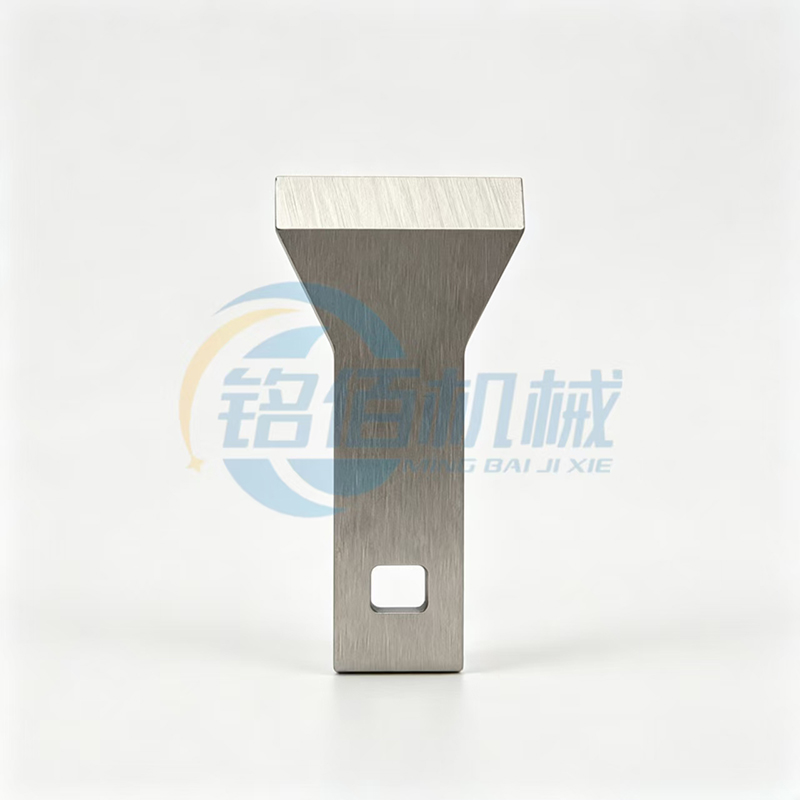
Specifically designed for plastic pelletizing, recycled plastic granulation, and polyester chip cutting in the chemical fiber industry. Suitable for underwater pelletizing, strand pelletizing, and die‑face pelletizing of various plastic materials. Manufactured from high‑speed steel, cemented carbide (tungsten steel), powder metallurgy steel (ASP®), and stainless steel, the blades undergo strict heat treatment and precision grinding to achieve high hardness, good toughness, and long‑lasting sharp edges. Widely used in production lines for PP, PE, ABS, PVC, and other plastic pellets, as well as specialized equipment for polyester (PET) chip cutting in the chemical fiber industry. The blades deliver uniform, stable pelletizing without material sticking or stringing, effectively reducing blade change frequency and improving granulation efficiency and product quality.
Details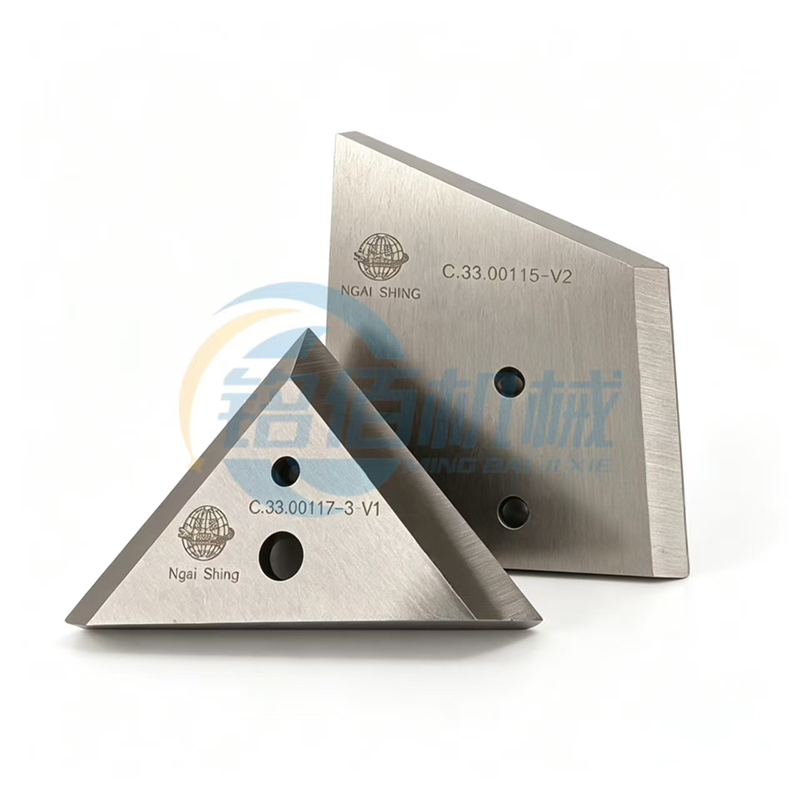
Designed specifically for slitting, cutting, and fixed‑length cutting operations in the textile, garment, and non‑woven industries. Suitable for high‑precision cutting of various natural fibers, synthetic fibers, and non‑woven materials. Manufactured from high‑quality stainless steel, high‑speed steel, and cemented carbide, the blades offer excellent sharpness, wear resistance, and corrosion resistance. Widely used in garment cutting tables, home textile production lines, non‑woven slitting machines, and automotive interior material processing, the blades ensure smooth, burr‑free, and snag‑free cuts, effectively improving cutting efficiency and fabric utilization while reducing material waste.
Details
Specifically designed for automated cutting of various pipe materials, suitable for high‑volume fixed‑length cutting and slitting of metal pipes (steel, stainless steel, copper, aluminum) and plastic pipes (PVC, PPR, PE). Manufactured from high‑speed steel, cemented carbide, cermet, and high‑quality alloy steels with precision heat treatment and grinding, the blades offer high hardness, excellent wear resistance, and superior impact toughness. Widely used in pipe processing, automotive parts manufacturing, furniture tubing processing, construction and plumbing installation, these blades are compatible with various automatic pipe cutters, pipe cutting production lines, and pipe sawing equipment, delivering fast, accurate, and clean cuts with smooth, burr‑free surfaces.
Details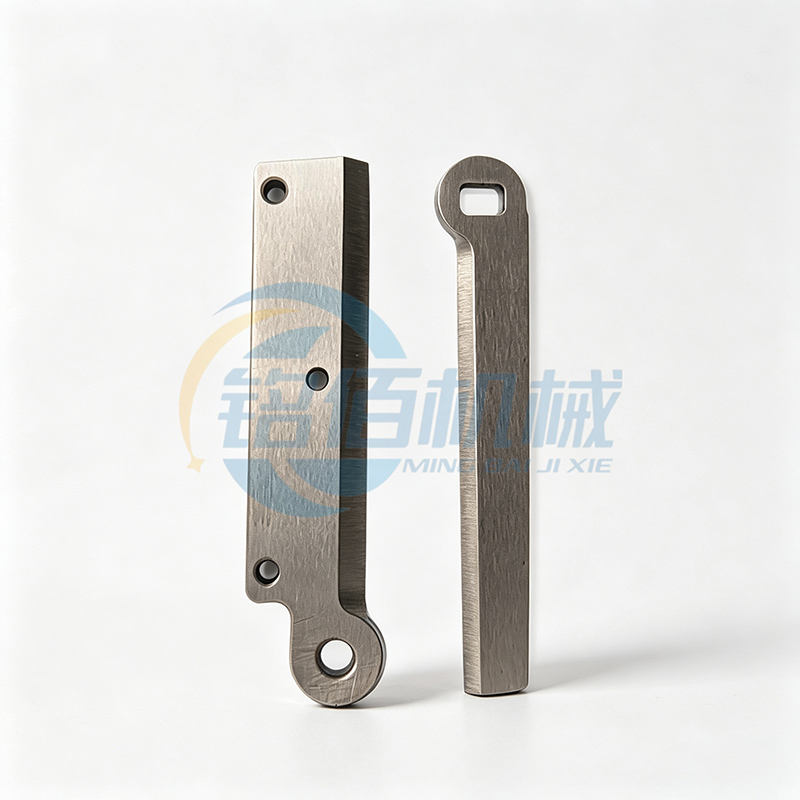
This bird food cutting and feeding blade is designed for pet bird food sticks, grain energy blocks, and automatic feeder systems. The blade body is made of food-grade stainless steel, offering excellent moisture and oxidation resistance. It will not grow mold or rust even after prolonged contact with grains, honey, and other ingredients, making it completely safe for birds. The finely ground edge cuts smoothly without jamming, producing clean, uniform portions without delamination or crumbling, ensuring accurate dispensing by automatic feeders. The mirror-polished surface prevents residue from sticking and rinses clean easily, making it an ideal supporting blade for bird food processing and automatic feeding equipment.
Details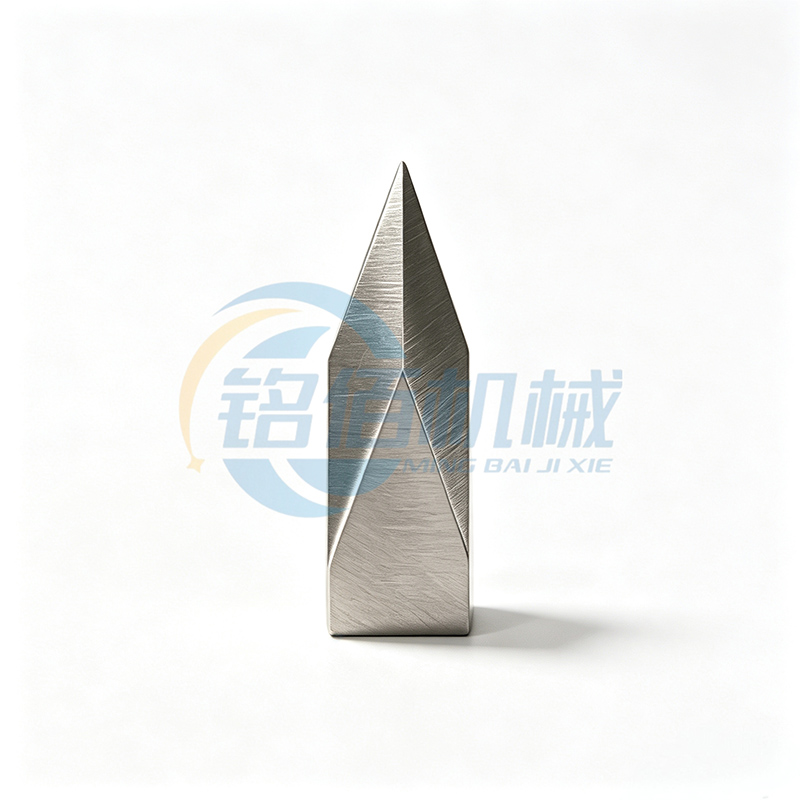
High‑Rigidity Multi‑Bevel Bottle‑Cap Slitting Blade is designed for pre‑treatment of plastic bottle‑cap recycling and dismantling. With multi‑bevel pointed‑tip cutting‑edge, available in 42CrMo and Cr12MoV. Precision‑ground and heat‑treated for balanced rigidity, impact‑resistance and wear‑resistance. Suitable for longitudinal and circumferential slitting of various bottle‑caps. Custom specifications are supported, widely applied in plastic‑recycling and sorting lines.
Details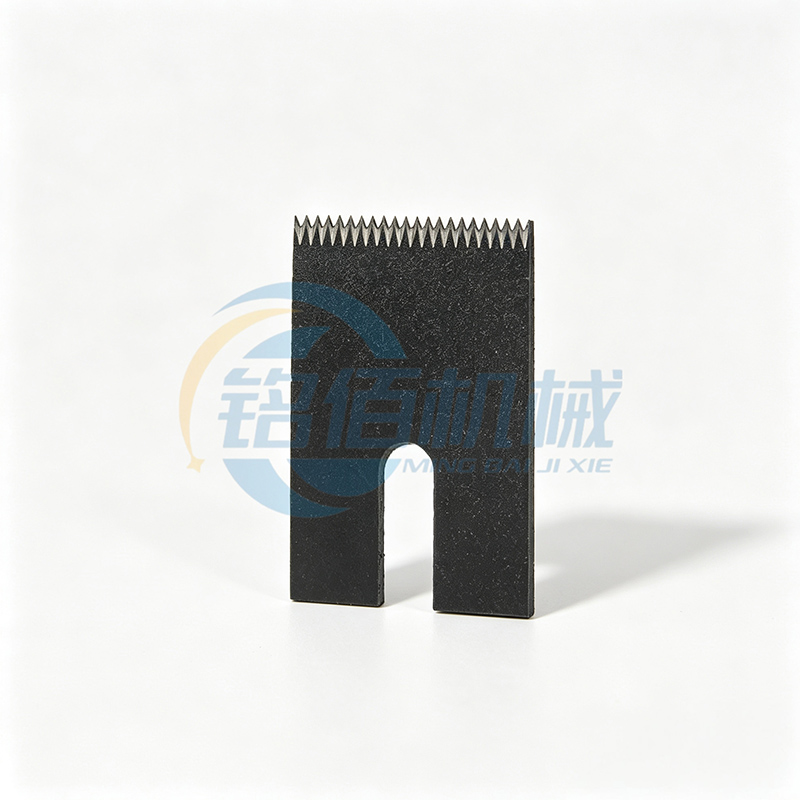
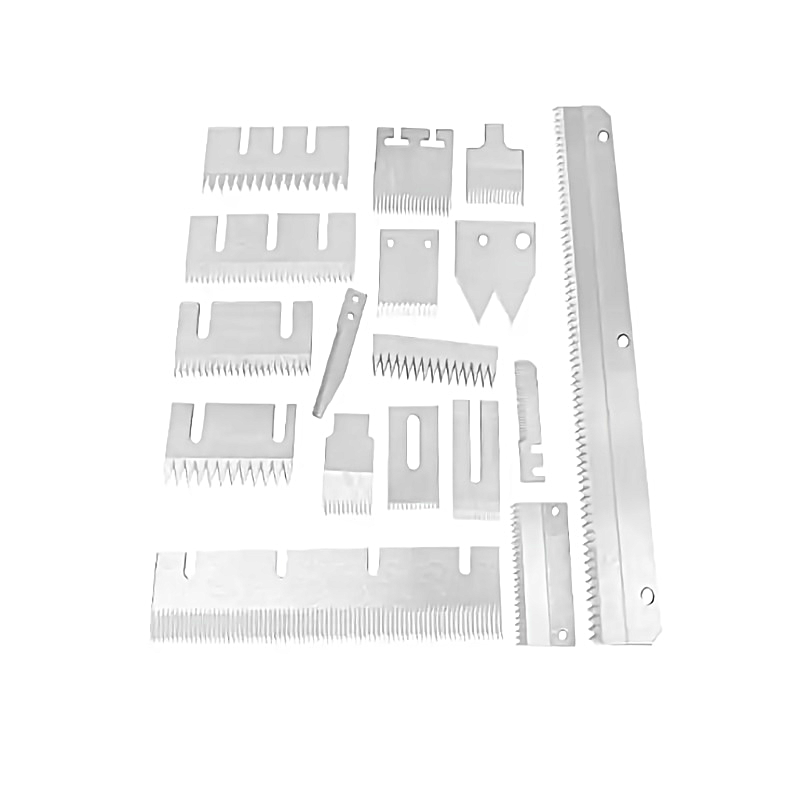
This serrated toothed blade is specially designed for cutting on industrial production lines. Featuring unique serrated‑edge structure, it achieves efficient material severance. Made of stable‑performance tool steel, the blade has precisely‑processed sharp and regular tooth tips. Under high‑speed working conditions, it cuts films, packaging and woven‑type materials effectively and reduces defects like burrs and material tearing. Surface protection treatment is optional, and multi‑dimension custom specifications are supported. It matches various automated cutting‑equipment and serves mass‑production in packaging, non‑woven fabric and flexible‑material processing industries.
Details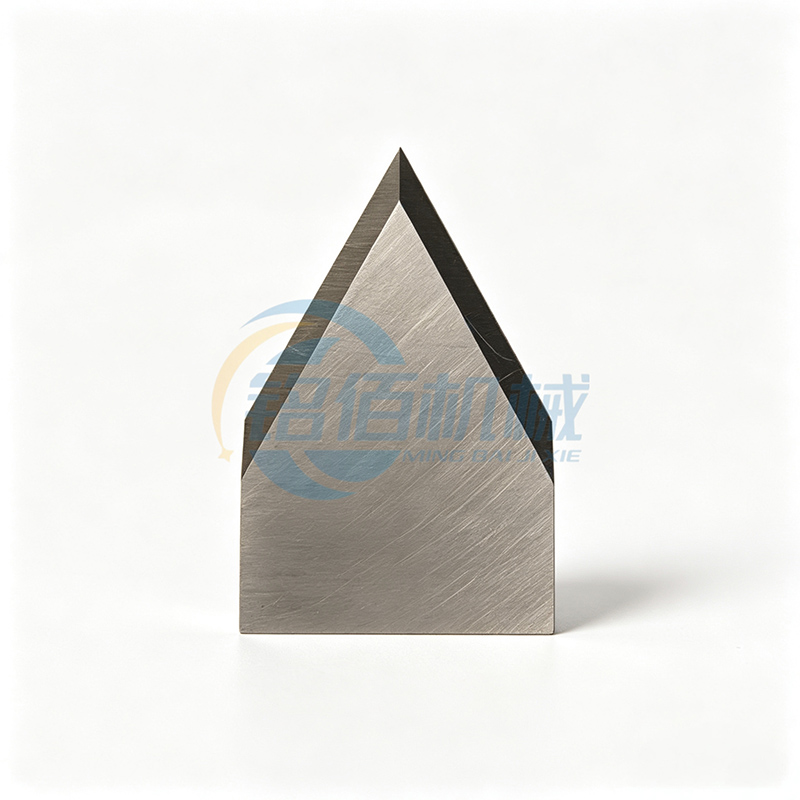
This HSS cutting blade is a straight‑edge cutting tool made of high‑speed‑steel. Its precisely‑ground pointed edge delivers excellent red‑hardness, and keeps sharp even under temperature‑rising working conditions. Regular‑shaped blade body ensures stable clamping and fits multiple reciprocating cutting machines. Customization for point angle, overall dimension and other parameters is available, together with optional surface strengthening treatment. It is mainly used for cutting and trimming rubber‑plastic, textile, paper and soft‑plastic materials for medium‑load continuous‑production in light‑industry and packaging sectors.
Details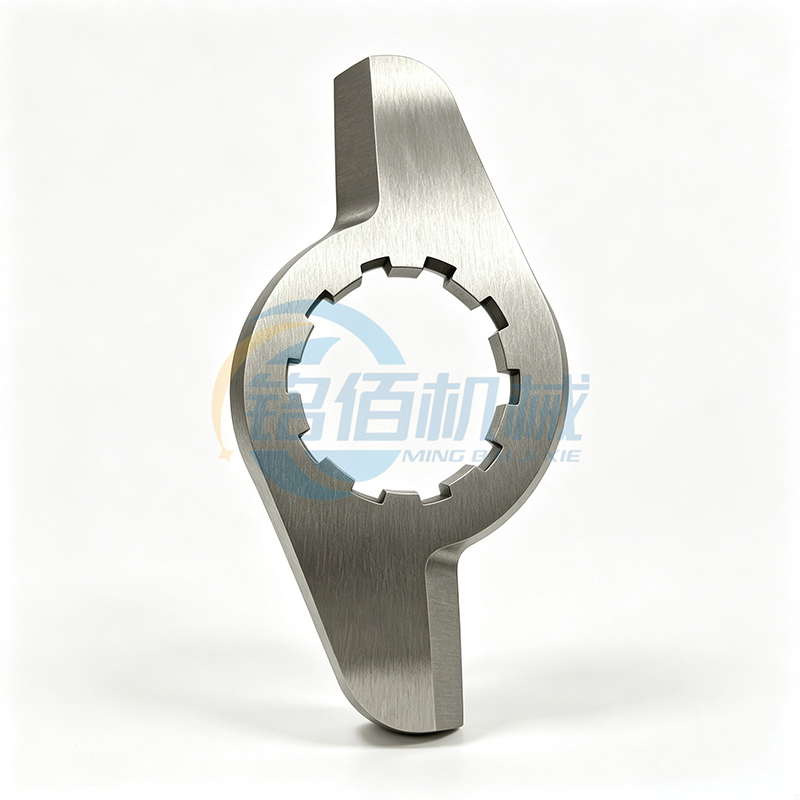
This crusher blade is a heavy‑duty cutting component specially for shredding equipment. Integral forging forms a robust heavy‑weight body. Meshing‑tooth transmission structure transfers high machine torque. Heat‑treatment hardening endows cutting edge with excellent impact‑resistance and wear‑resistance to resist repeated impact from bulky materials and lower risks of chipping and edge rolling. Multi‑dimension custom specifications and optional substrate & surface‑strengthening treatments are available. It matches single‑shaft and dual‑shaft shredders for crushing and recycling plastic, rubber, wood, industrial and household waste under heavy‑impact working conditions.
Details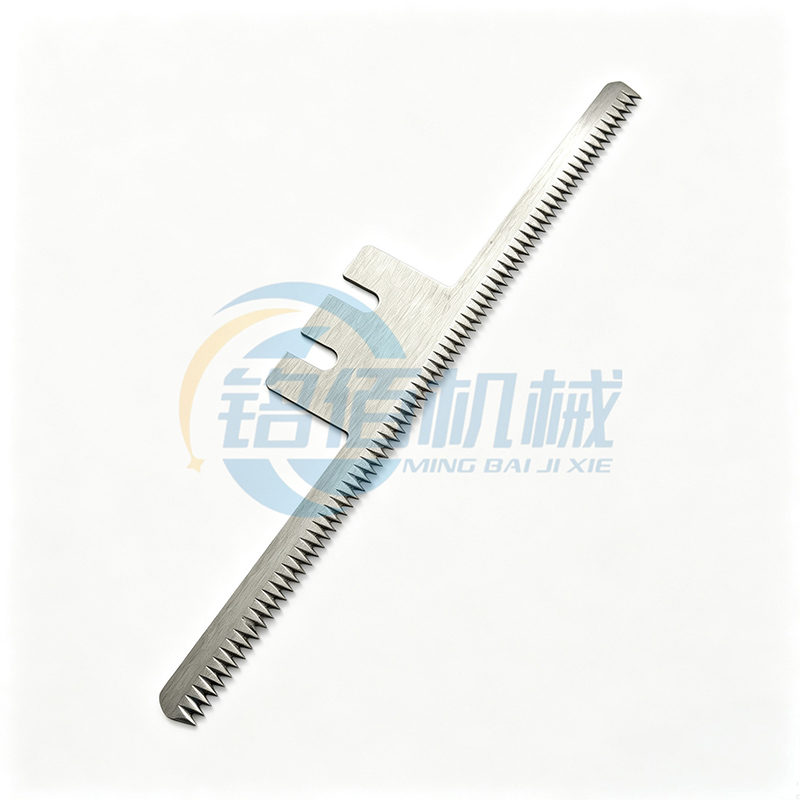
This serrated blade is a dedicated cutting component for packaging machinery. It cuts films, composite bags and paper‑based packaging materials with continuous serrated edges, compatible with vertical and horizontal packaging equipment. Subjected to full heat treatment and precise tooth profile grinding, the blade delivers fast material separation and minimizes film stringing or bag tearing. It supports custom sizes for diverse production‑line conditions and improves finished‑product yield in packaging processes.
Details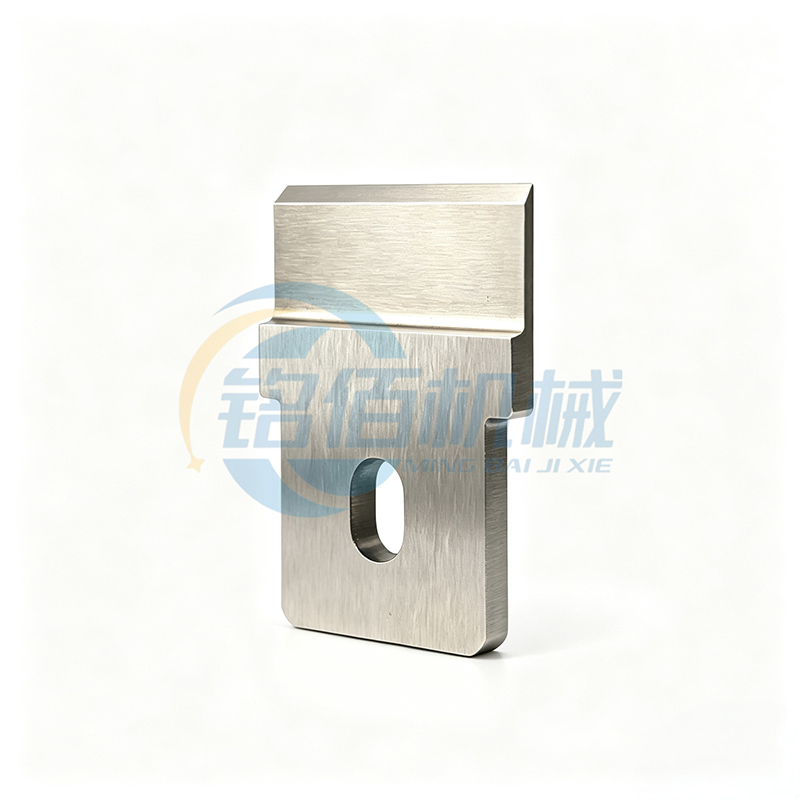
This wire‑stripper blade is a core component for cable‑processing equipment. It strips outer insulation of wires and cables without damaging inner metal conductors, compatible with automatic and semi‑automatic stripping machines. After precision profile grinding and complete heat treatment, the blade features sharp and uniform edges to avoid insulation tearing and copper wire scratching. Custom options are available for various wire diameters to improve finished‑product yield.
Details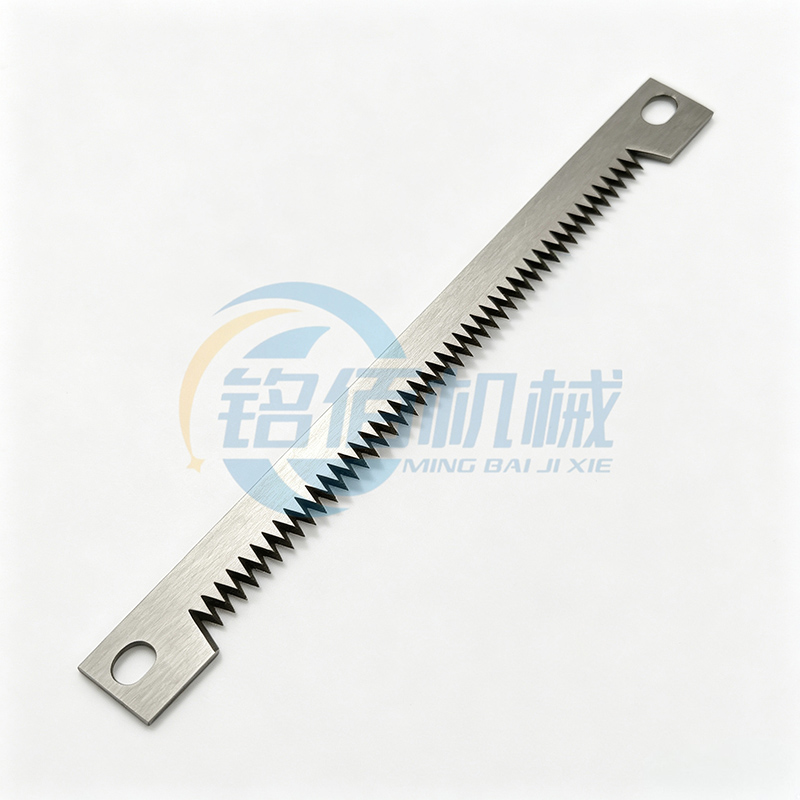
This serrated packaging knife is a core cutting component for pouch‑making machines. Its long serrated edge is designed for continuous pouch cutting, severing plastic film, composite film and paper packaging substrates. With precise tooth‑profile grinding and complete heat treatment, the blade delivers sharp, evenly‑spaced teeth for fast cutting at high speed. It reduces film stringing, pouch tearing and burr defects. Custom options fit various line speeds and materials to improve pouch cut‑edge quality.
Details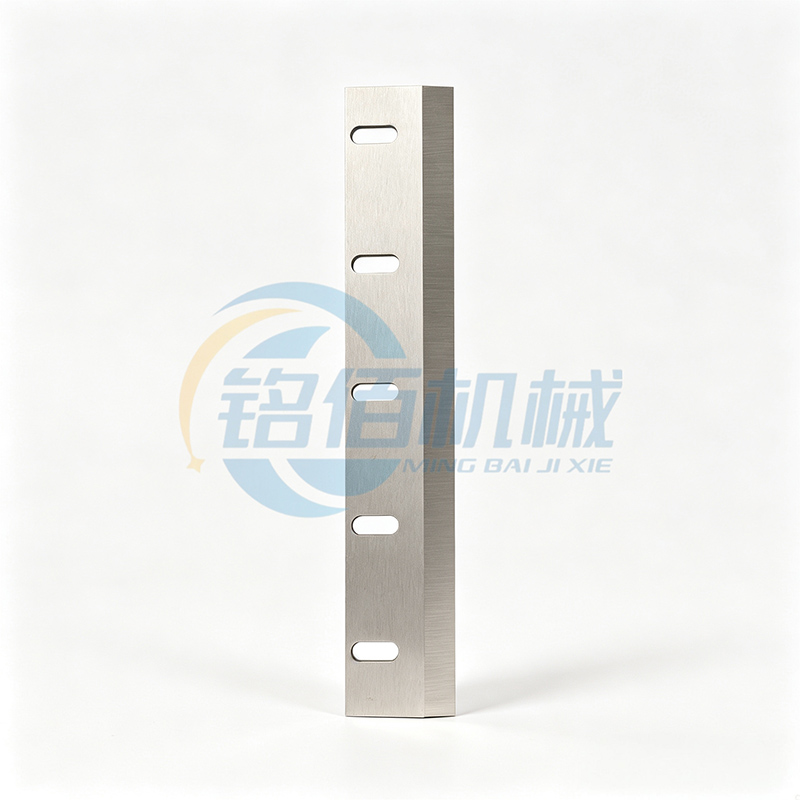
This long straight‑edge cutter is a core cutting component for pipeline processing equipment. Its flat straight edge is designed for continuous flat‑cut operations for sheet and strip‑shaped materials, widely used in slitting and material severing applications. With precise straight‑edge grinding and full heat‑treatment, the blade delivers sharp flat cutting edges for smooth cuts and minimizes material fuzzing and compression deformation. Custom options suit diverse machine conditions and materials to ensure stable cutting performance on production lines.
Details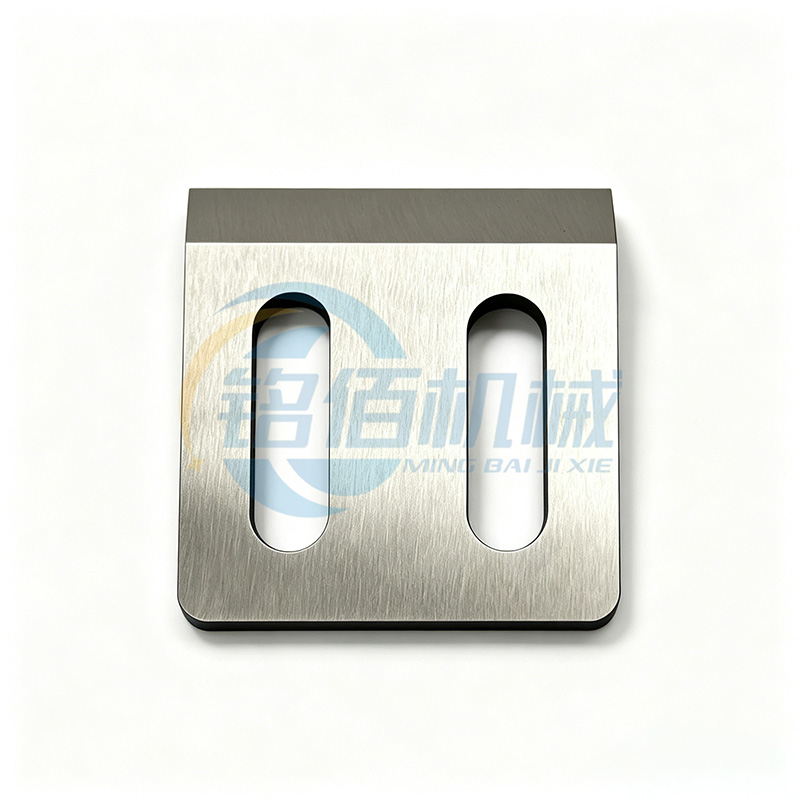
This square slotted pelletizer blade is a core shearing component for pelletizing equipment. Manufactured via precision grinding and heat‑treatment, it delivers outstanding wear resistance and long‑lasting cutting‑edge performance. Equipped with square body and elongated mounting slots, it allows convenient installation and fine adjustment on machines. It delivers uniform pellets and reduces fines and dust for strand pelletizing tasks. Full‑range customization on materials and dimensions is available to fit various pelletizer models for plastic extrusion, scrap recycling and compounding production.
Details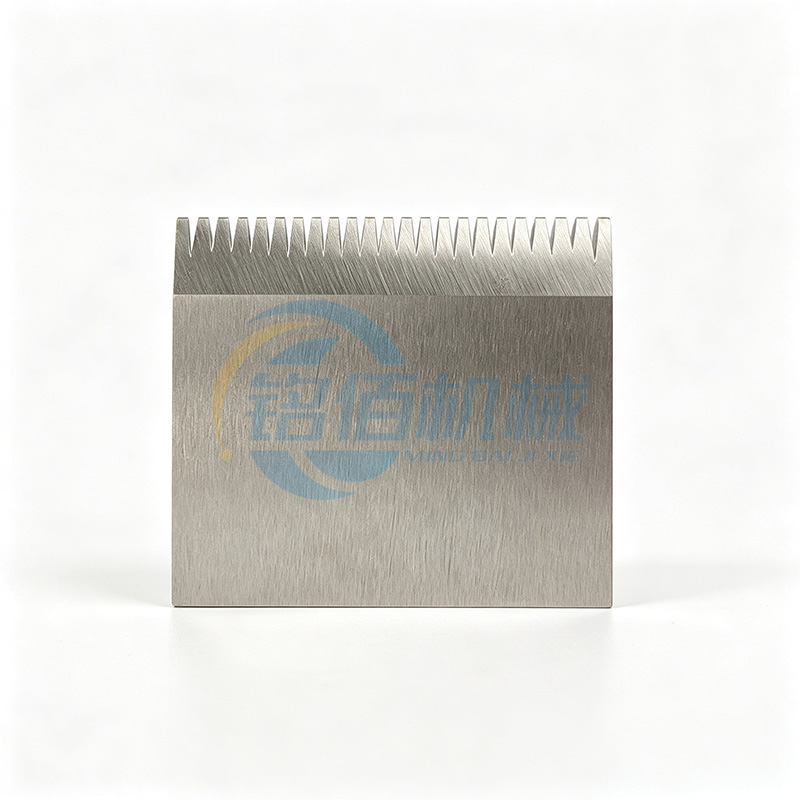
This toothed tire‑trimming blade is a dedicated shearing component for post‑processing of tires. It features integrally‑formed multi‑tooth serrated edges processed by precision grinding and heat treatment. The serrated profile continuously cuts rubber flash and burrs, delivering clean cuts and minimizing rubber tearing and stringing. Distinct front‑and‑back structure: one side is functional serrated cutting edge, the other is flat mounting base for stable fixture positioning. Multiple alloy tool‑steel grades are available. Customization on tooth profile and overall dimension is supported for various tire‑trimming machines, removing excess rubber flash after tire molding, and also suitable for deburring other rubber products.
Details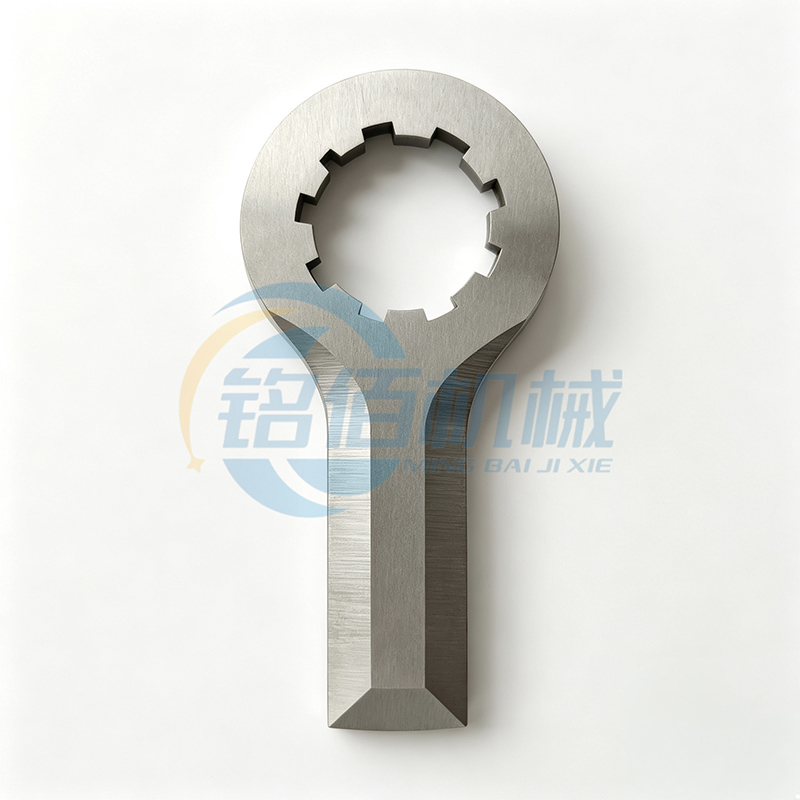
This key-shaped ring-tooth crusher blade serves as the core shearing component for crushing equipment. Featuring an integrated key outline and inner multi-tooth cutting structure, it realizes material shearing and crushing through tooth engagement. Made of premium alloy steel and processed with complete heat treatment, the blade balances hardness and impact toughness. Precisely machined tooth profiles deliver stable and powerful cutting performance. Compatible with many types of crushers, it handles plastics, rubber, industrial waste and other materials. Custom specifications are available to support long-time stable operation for various industrial crushing production lines.
Details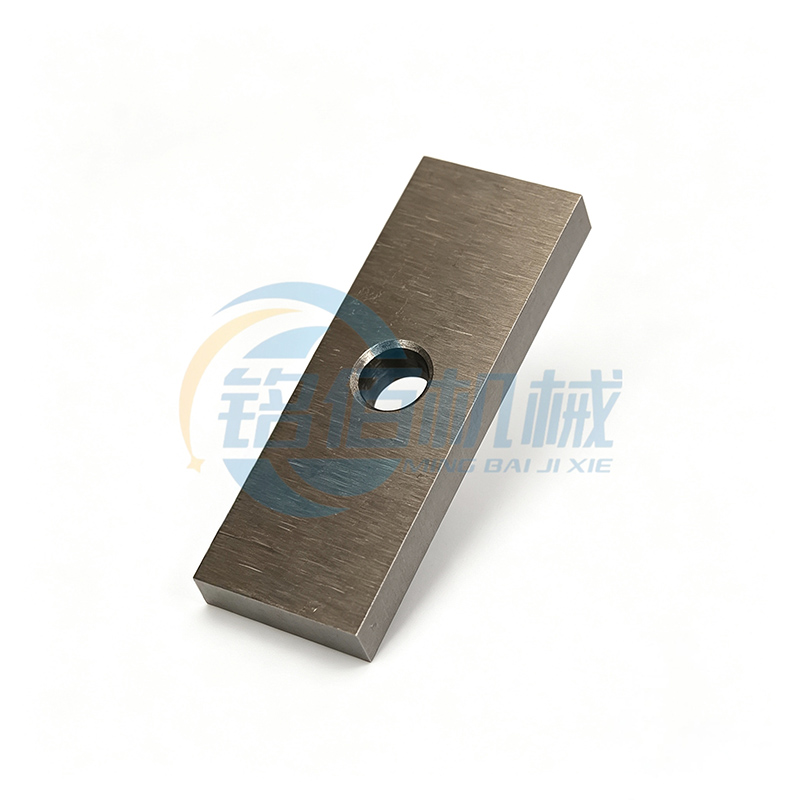
This rectangular flat granulator blade is the core cutting part of plastic granulation equipment. Adopting an integrated flat structure with mounting hole, it cuts molten plastic to fixed length through precision cutting edge. Made of premium alloy steel and processed with complete heat treatment, the blade balances hardness and toughness. Precisely ground cutting edge delivers smooth and neat cuts. Compatible with various plastic pelletizing machines, it can cut many kinds of modified plastics and recycled plastics. Custom specifications are available for long-time continuous cutting, ensuring regular plastic pellets and meeting processing demands of plastic granulation production lines.
Details IPv6 network supported |
Sitemap
|
Xml
|
Privacy Policy
IPv6 network supported |
Sitemap
|
Xml
|
Privacy Policy
leave a message
Scan to wechat :

Scan to whatsapp :

 en
en