 en
en Our factory has served countless products across various industries for 30 years, making a significant contribution to the cutting industry. Let us customize the cutting tools you need!
Mabu - CEO RisingBamboo
 Email: Mb@mingbaiblade.com
 Tel.: +86-13855519988



In slitting equipment, circular blades transmit torque through the bore keyway to the blade shaft. After long-term use, the keyway side walls experience wear, plastic deformation, and even cracks due to repeated impact. Faced with this situation, many users directly scrap the blade, causing waste; others continue to use it reluctantly, leading to equipment damage. Mingbai Mechanical Tool Technology Co., Ltd. provides you with judgment criteria and repair solutions.
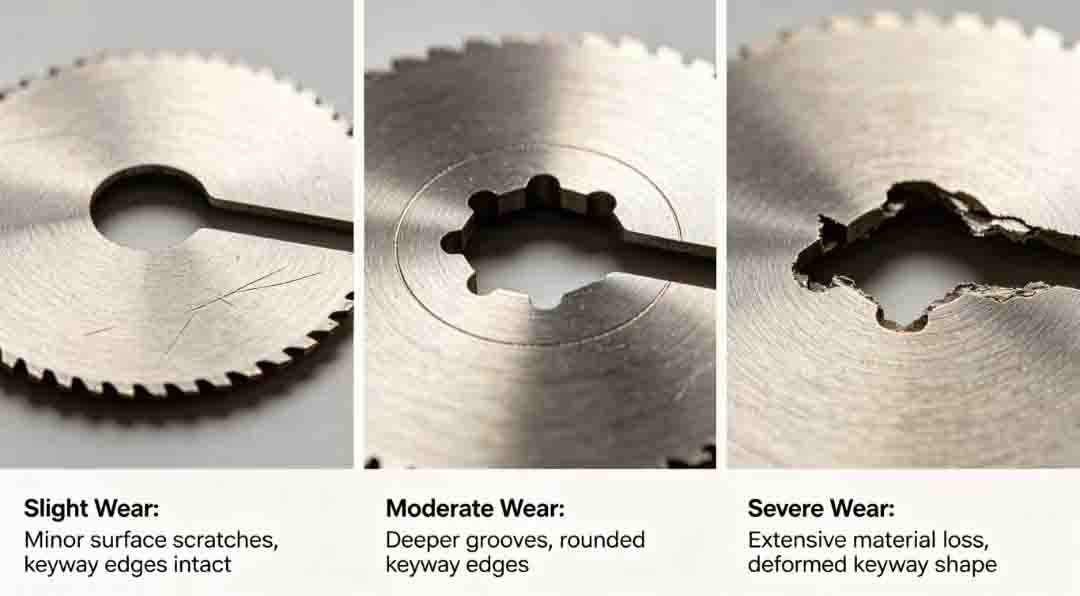
1. Three Typical Forms of Keyway Wear
· Light wear: Keyway side wall width increase < 0.1mm, no deformation, no cracks. The blade still has slight play after installation.
· Moderate wear: Width increase of 0.1-0.3mm, indentation or slight curling at keyway edges. The blade wobbles periodically during operation.
· Severe wear: Width increase > 0.3mm, cracking or chipping at keyway edges. The blade is obviously eccentric after installation and cannot slit properly.
2. Repair or Scrap? Judgment Criteria
Low-speed slitting heavy-duty circular blades: If the keyway wear is light (width increase < 0.1mm) and the blade still has multiple resharpening allowances left, repair is recommended. The repair cost is about 15%-25% of a new blade.
High-speed slitting precision alloy blades: Due to the high dynamic balance requirement for high-speed operation, moderate wear (>0.2mm) is recommended to be scrapped directly to avoid instability after repair causing equipment accidents.
Stainless steel strip slitting wear-resistant circular blades: If the keyway wear is on one side, repair by overlay welding and re-milling is possible; if both sides are worn or cracks appear, scrap the blade.
3. Detailed Repair Methods
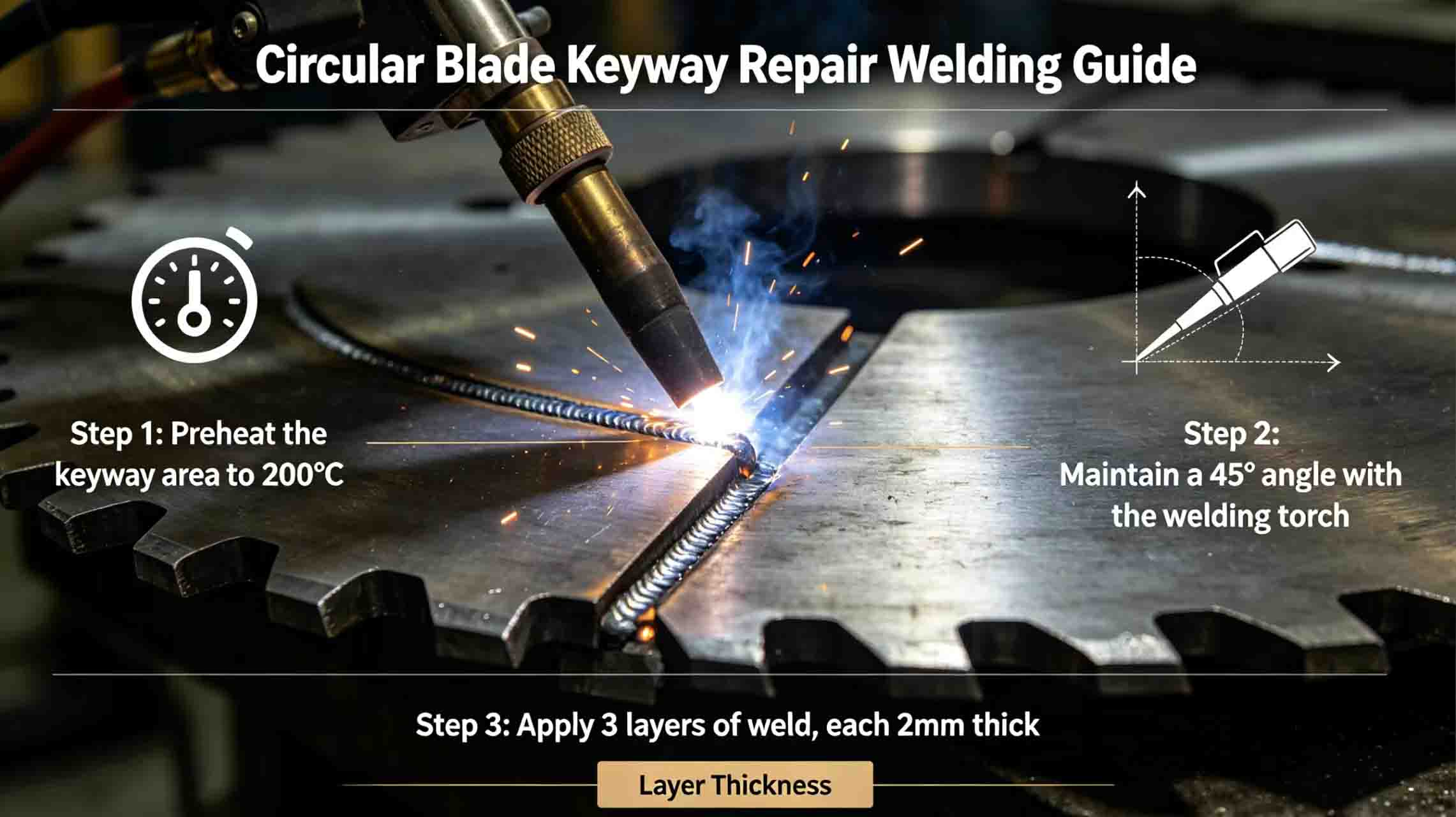
1. Overlay welding + re-milling (suitable for high-speed steel blades)
· Use nickel-based or cobalt-based welding rods to build up the worn keyway side wall.
· Perform stress relief annealing after welding.
· Re-machine the keyway on a milling machine according to the original dimensions, width tolerance +0.02/+0.05mm.
· Suitable for automotive panel slitting custom blades.
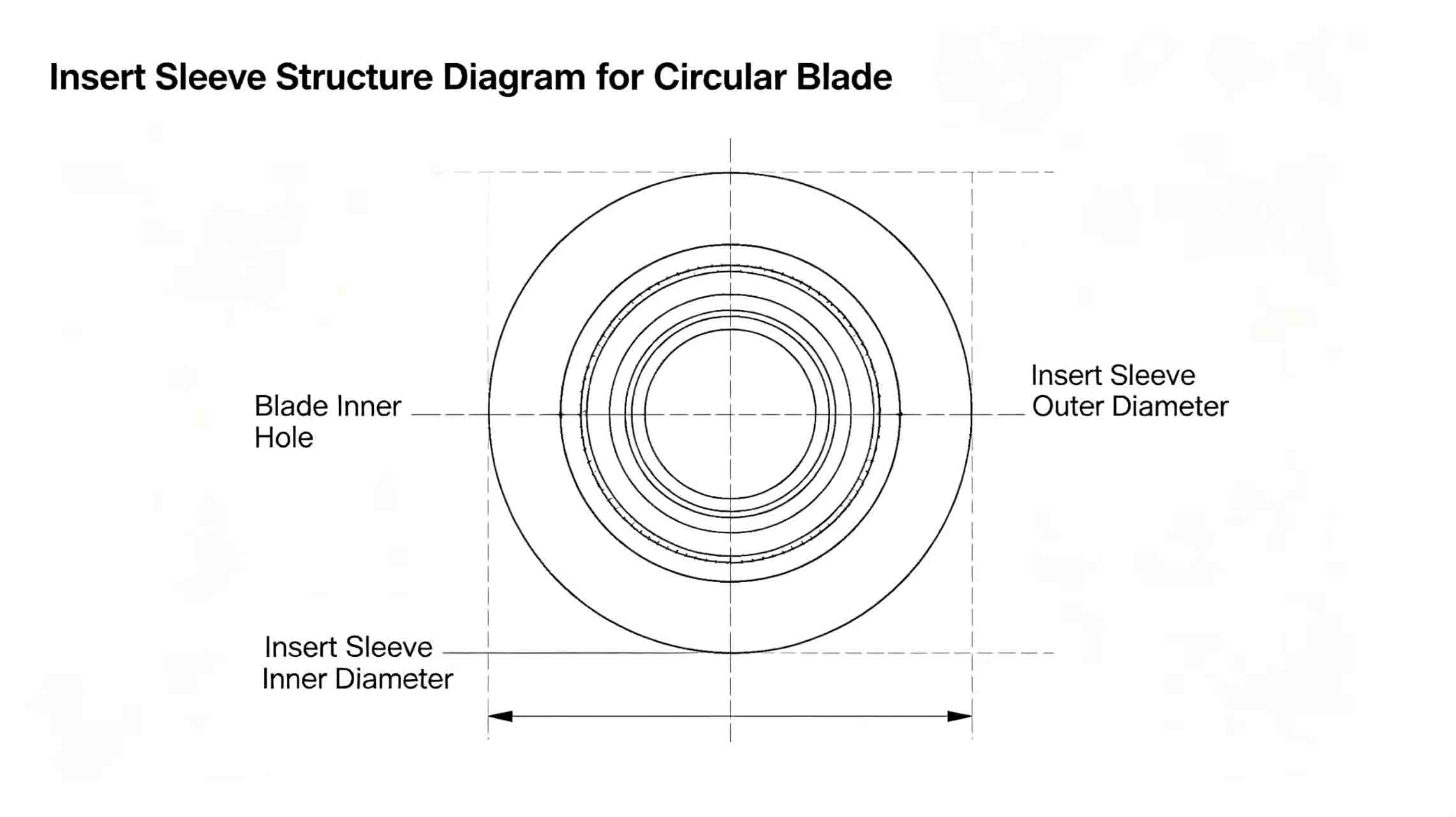
2. Bush sleeve method (suitable for blades with larger bores)
· Bore out the original bore by 1-2mm and press in a heat-treated inner sleeve.
· Machine a new keyway on the inner sleeve, offset by a certain angle from the original keyway position.
· Suitable for thick plate slitting mechanical blades.
3. Custom non-standard key (emergency treatment)
· Measure the actual keyway width after wear and customize an oversized key (non-standard size).
· Only for temporary use, recommended not to exceed 200 hours.
· Suitable for emergency use on battery electrode slitting ultra-thin circular blades.
4. Situations Where Repair Is Not Recommended
· The keyway edge already has cracks (even if very short).
· The blade has been resharpened more than 5 times, and the remaining thickness is insufficient.
· The bore has become out-of-round, and concentricity exceeds >0.03mm.
· For small-sized circular blades with low unit purchase cost, direct replacement is more economical.
5. Verification After Repair
A repaired precision mechanical blade must pass the following inspections before installation:
1. Keyway width, depth, and position meet drawing requirements.
2. Bore roundness ≤ 0.005mm.
3. Blade end face flatness ≤ 0.003mm.
4. Radial runout after shaft mounting ≤ 0.01mm.
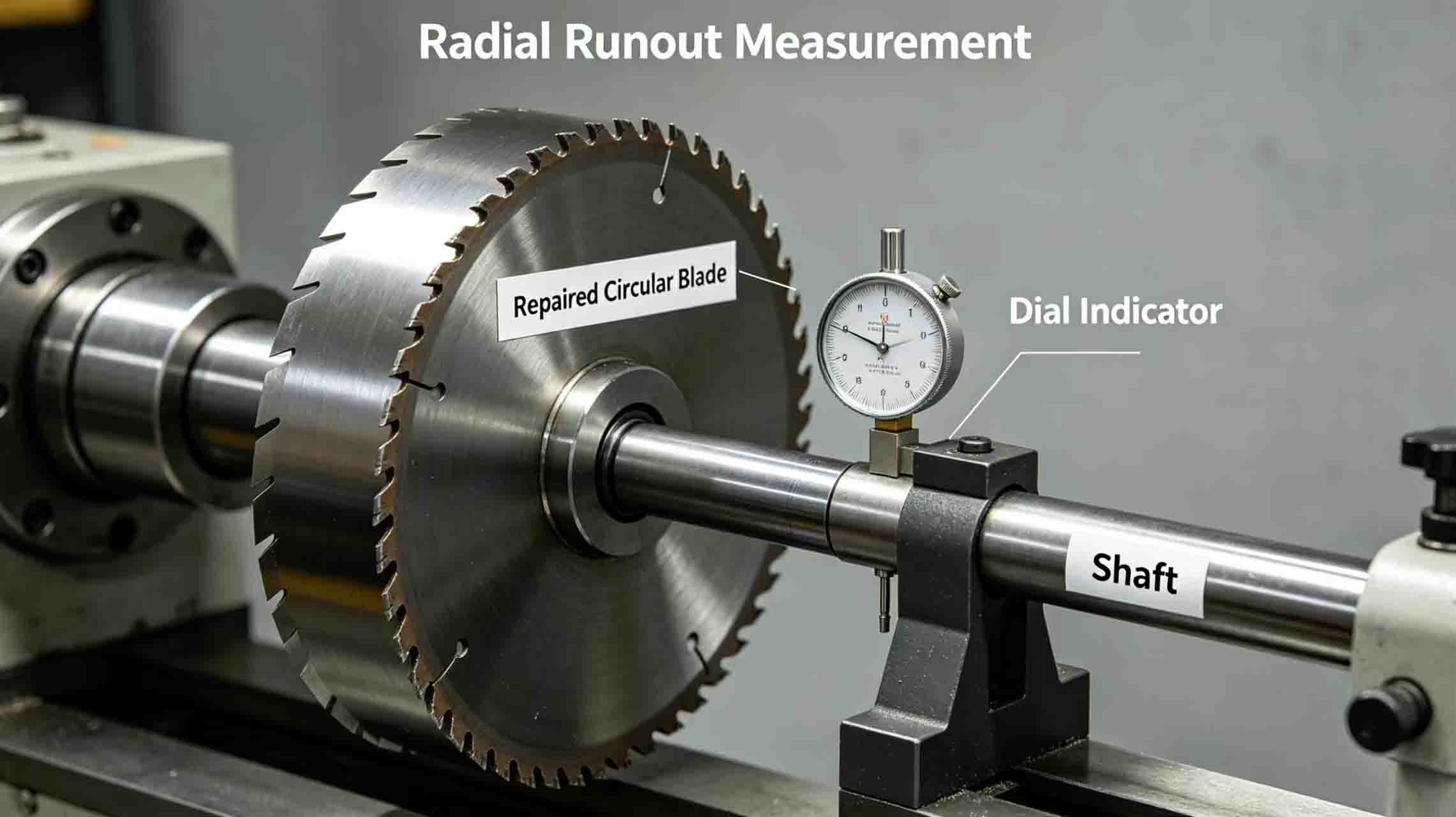
6. Mingbai Technology's Repair Services
Mingbai Mechanical Tool Technology Co., Ltd. provides circular blade bore keyway wear repair services, including overlay welding, annealing, precision milling, and inspection. We can provide keyway repair solutions for lithium battery electrode slitting carbide blades. We also accept old blade recycling evaluations and provide free repair or scrap recommendations.
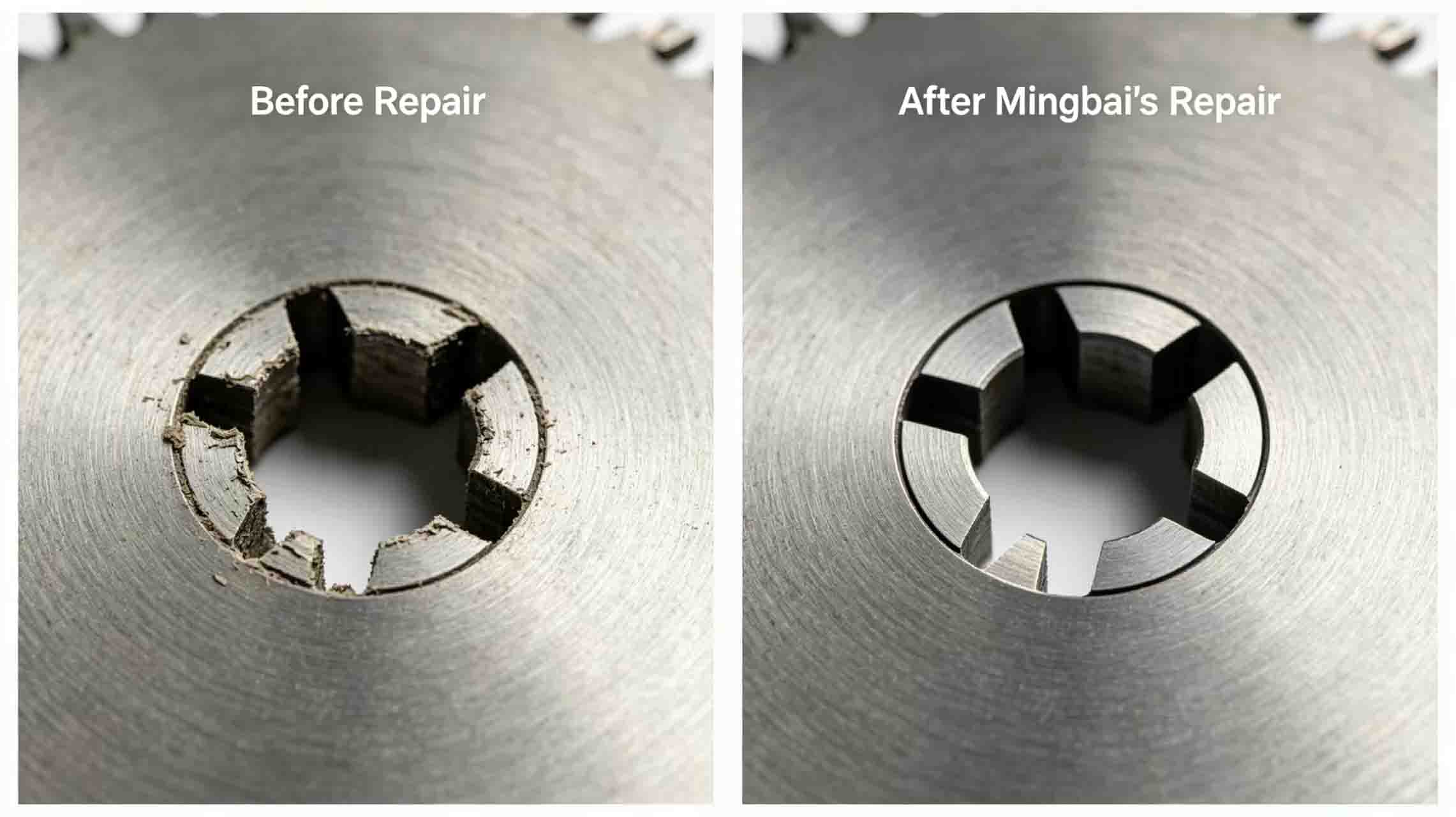
Conclusion
Keyway wear in circular blade bores does not mean the entire blade is scrap. Light wear can be repaired by overlay welding; moderate wear requires careful evaluation; severe wear or blades with cracks should be decisively scrapped. Mingbai Technology is willing to use its professional repair techniques to help you extend blade life and reduce tooling costs.
Website: www.mingbaiblade.com
 IPv6 network supported |
Sitemap
|
Xml
|
Privacy Policy
IPv6 network supported |
Sitemap
|
Xml
|
Privacy Policy
leave a message
Scan to wechat :

Scan to whatsapp :
