 en
en Our factory has served countless products across various industries for 30 years, making a significant contribution to the cutting industry. Let us customize the cutting tools you need!
Mabu - CEO RisingBamboo

 Email: Mb@mingbaiblade.com
 Tel.: +86-13855519988



Many slitting workshops experience a strange phenomenon: the same circular blades and slitter blades work perfectly in summer but break frequently once winter arrives. Some suspect the blade quality has "deteriorated," but Mingbai Mechanical Tool Technology Co., Ltd. tells you: the problem is not the blade, but the temperature. Low winter temperatures change the mechanical behavior of materials, and understanding this principle is key to effective prevention.
1. The Physical Essence of Low-Temperature Fracture
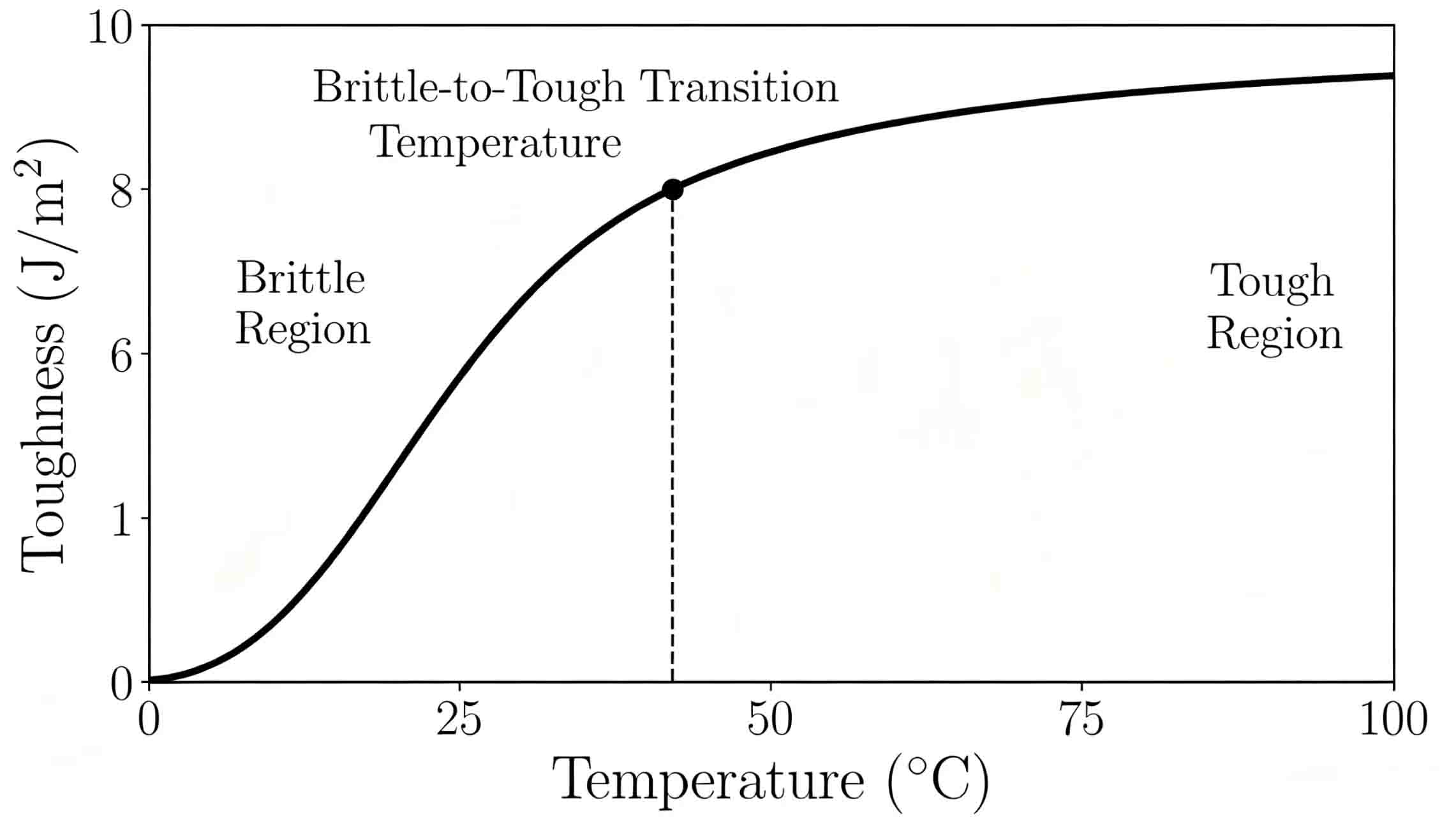
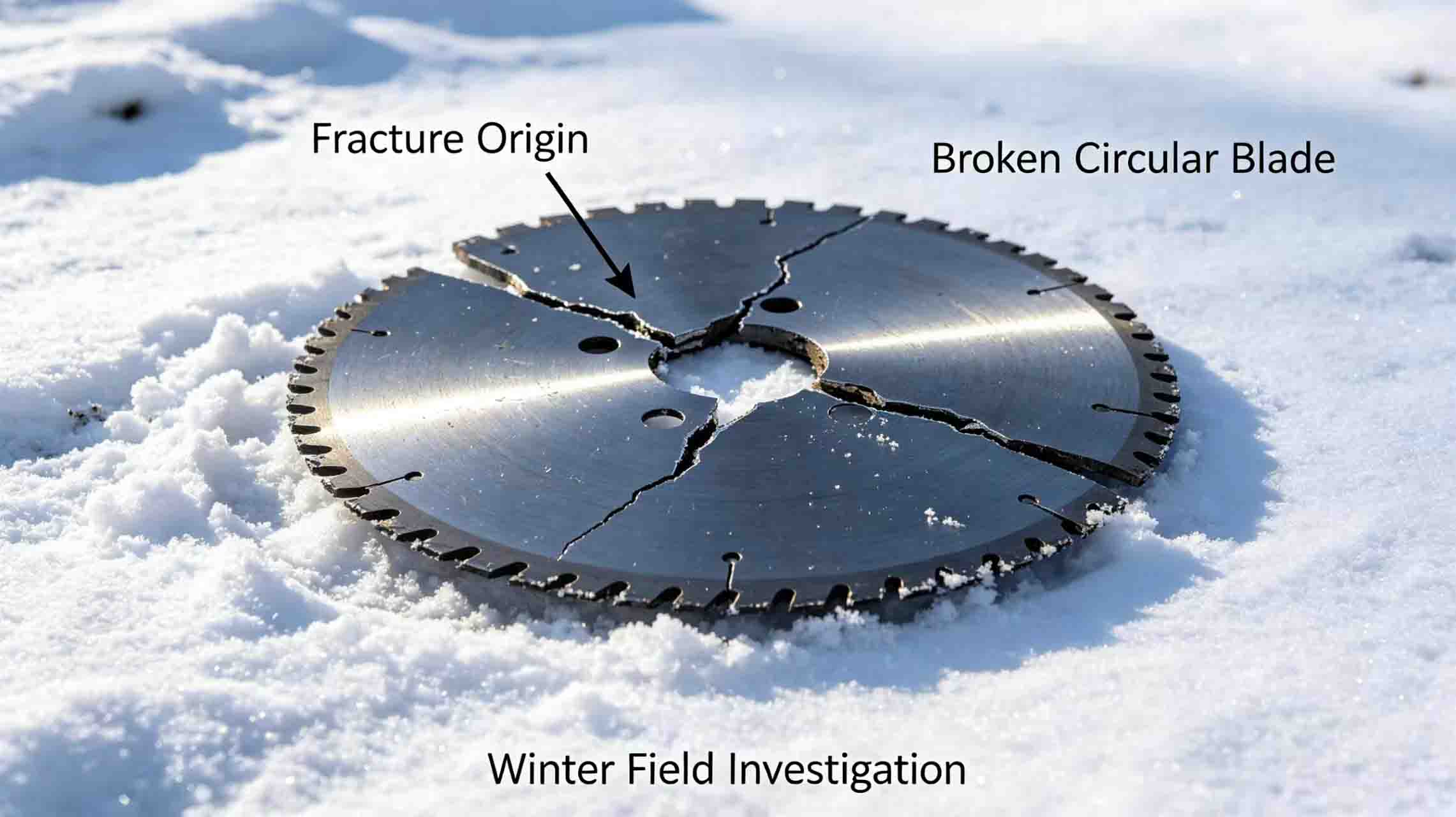
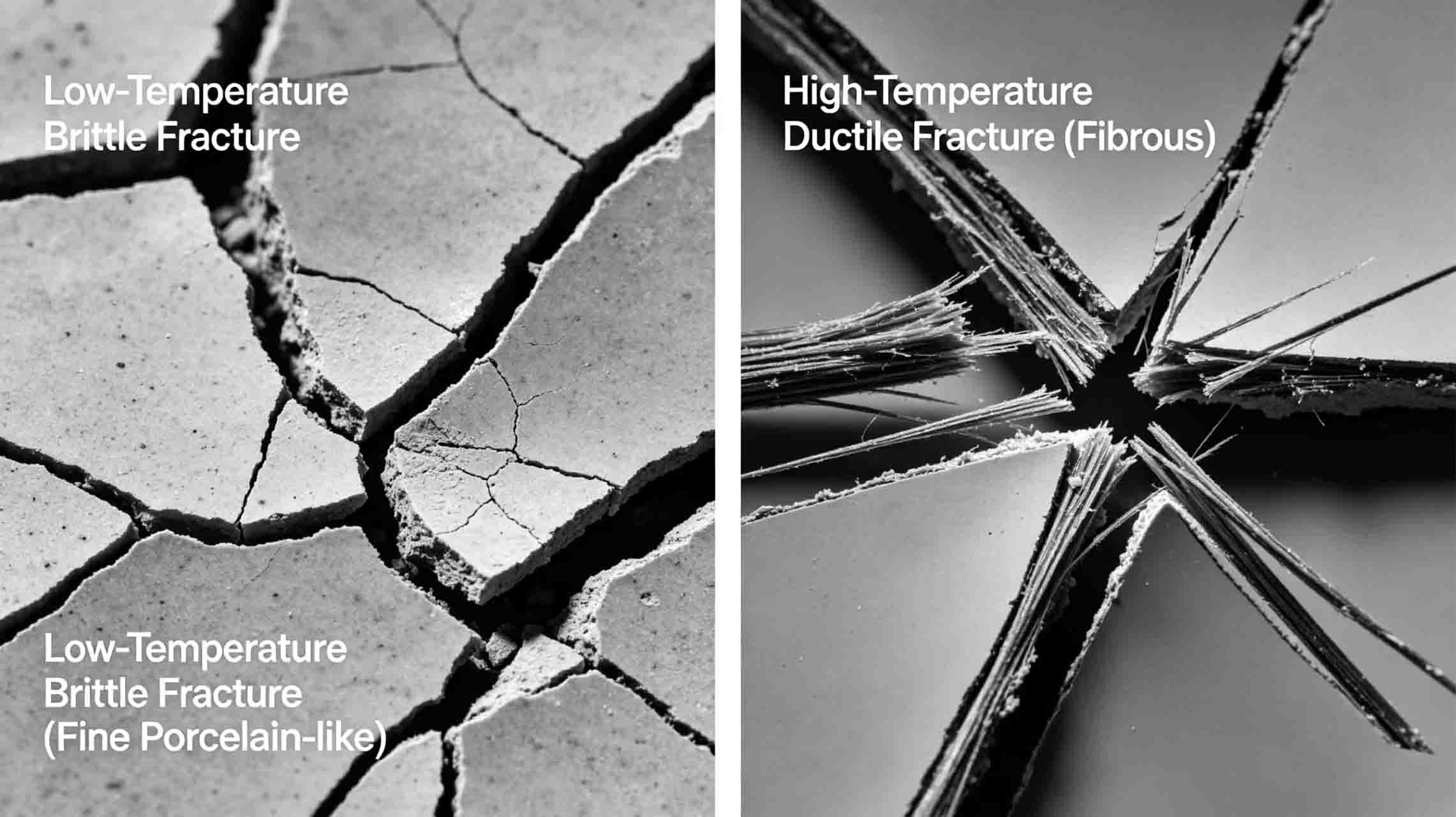
Most mechanical blade materials (high-speed steel, alloy tool steel) have low-temperature brittleness. When the ambient temperature drops below the material's ductile-brittle transition temperature (typically -10°C to 10°C), the impact toughness of the material drops sharply. In summer (above 25°C), the blade can absorb impact energy through plastic deformation; in winter (near 0°C), the same impact energy cannot be dissipated, leading to crack formation and rapid propagation at the edge — this is the direct cause of blade fracture.
2. Three Major Causes of Winter Fracture
1. Increased internal stress due to material contraction
The blade and blade shaft are made of different materials with different coefficients of thermal expansion. In winter, the blade bore contracts, making the fit with the shaft tighter and increasing installation stress. When high-speed slitting circular blades are subjected to lateral forces during operation, the existing stress plus shear stress easily triggers fracture at stress concentration points such as bore keyways or lightening holes.
2. Increased lubricant viscosity, leading to higher impact loads
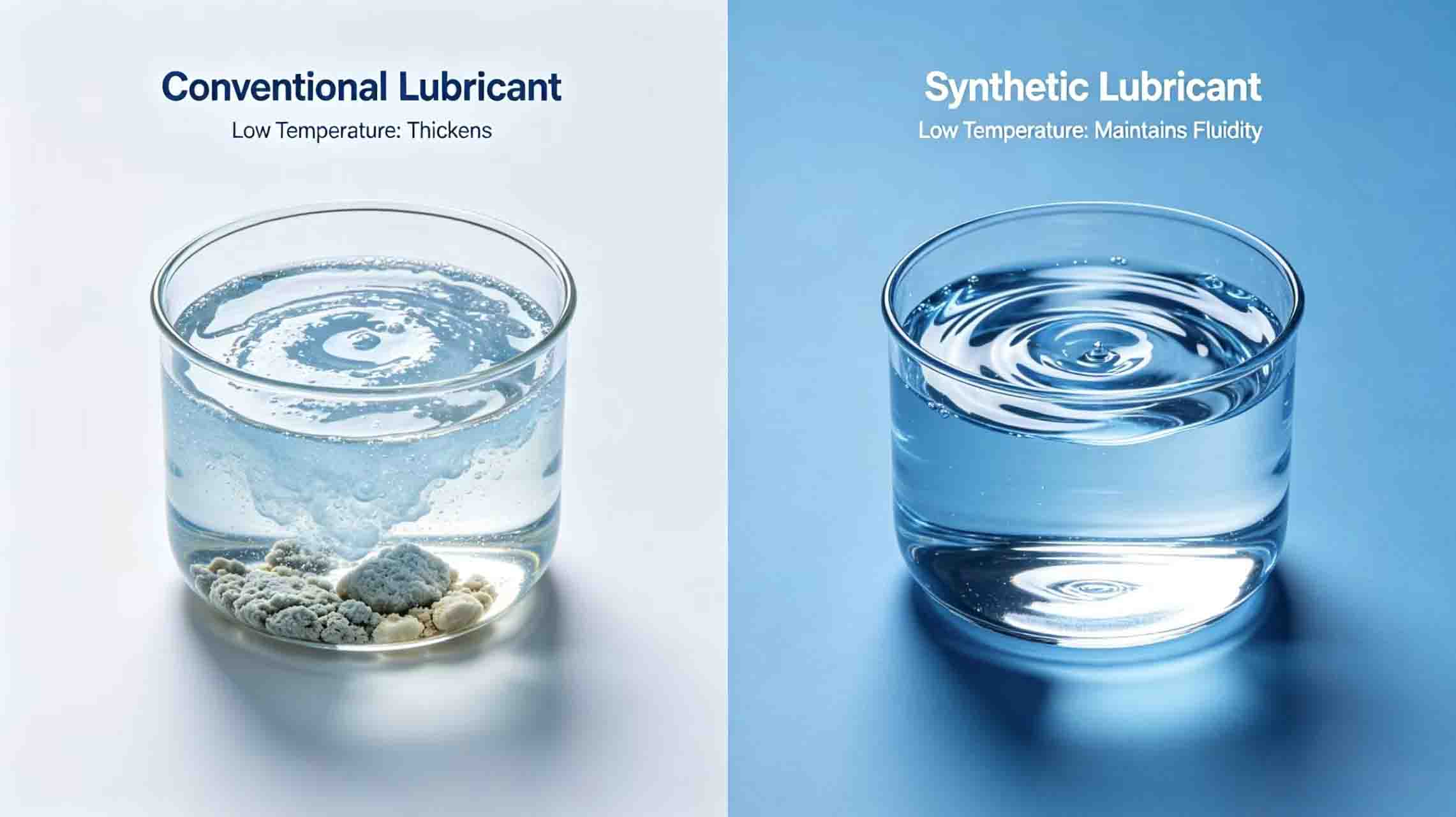
At low temperatures, lubricating oil becomes thicker, reducing lubrication between the blade and material, and increasing cutting resistance. The impact loads caused by sudden resistance changes are borne by the increasingly brittle edge, causing heavy plate slitting mechanical blades to crack at the moment of engagement.
3. Thermal stress caused by workshop temperature differences
In winter, the morning workshop temperature may be only 5°C, while after high-speed operation, the blade temperature can reach 40-50°C. This rapid heating from a large temperature difference creates thermal stress, which poses a severe test for the microstructure of precision custom blades.
3. Which Blades Are Most Vulnerable in Winter?
· High-hardness alloy blades: The higher the hardness, the higher the ductile-brittle transition temperature, and the greater the sensitivity to low temperatures.
· Large-size slitter blades: Larger volume means more internal defects and stress concentration points.
· Thin-edge circular blades: The small cross-section of the edge makes impact resistance weaker.
· Old blades with long service life: They already have microscopic fatigue cracks, which propagate more easily at low temperatures.
4. Six Measures to Prevent Winter Fracture
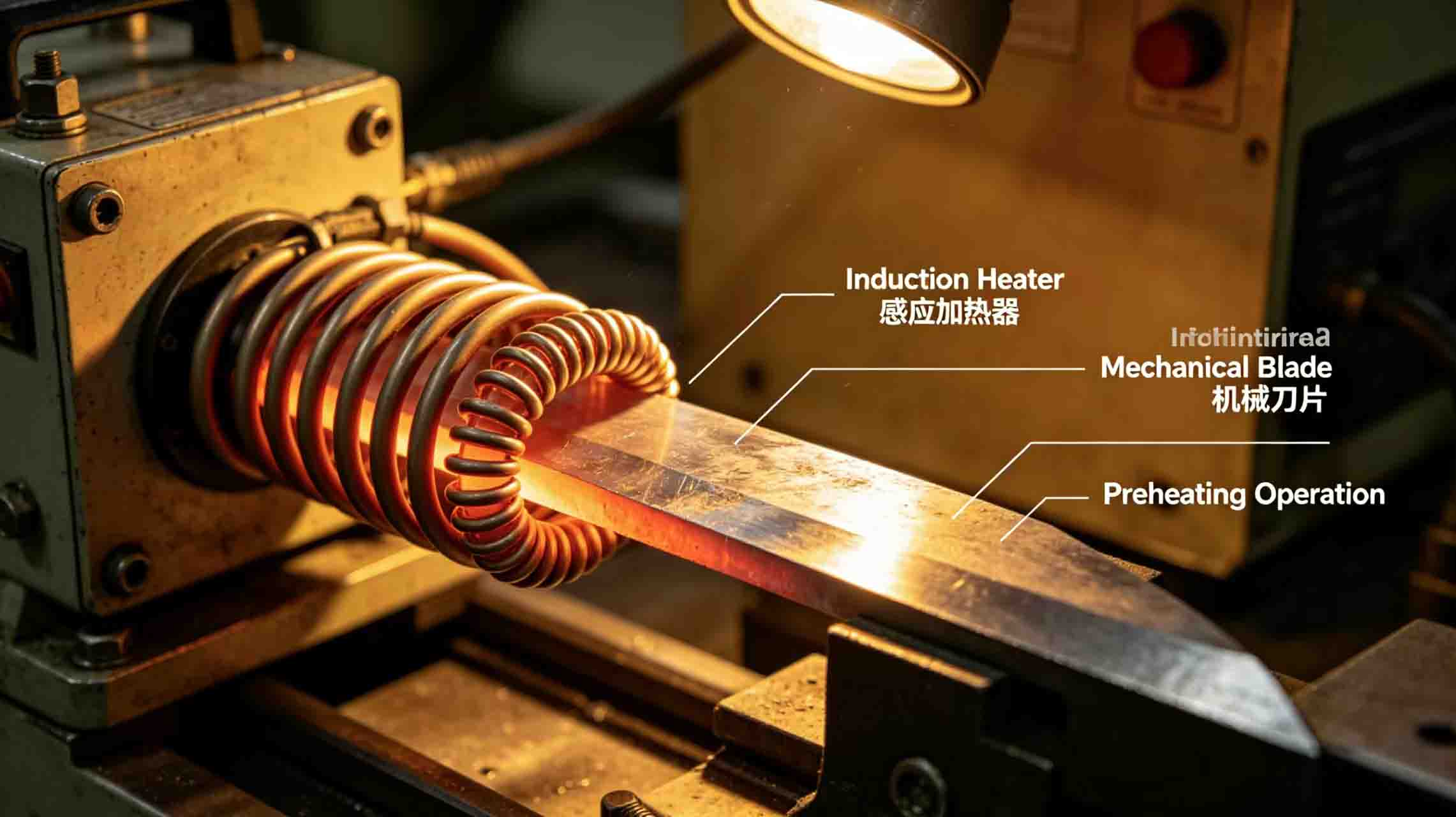
1. Preheat the blade: Place the blade in an environment above 20°C for at least 2 hours before installation, or use an induction heater to preheat the blade to 30-40°C.
2. Reduce cutting speed: Lower speed by 10%-15% in winter to reduce impact energy.
3. Switch to low-temperature lubricant: Use synthetic lubricating oils with a high viscosity index to ensure good low-temperature fluidity.
4. Decrease blade gap: Materials become harder in winter, so appropriately reducing the gap can reduce impact.
5. Increase no-load warm-up: Run the machine at no load for 5-10 minutes before starting to gradually warm the blade.
6. Inspect upon receipt: For custom slitter blades received in winter, do not install immediately; let them sit for 24 hours to acclimate to room temperature.
5. After Fracture Occurs
· If the fracture surface has a fine porcelain-like appearance, it indicates low-temperature brittle fracture. Adjusting the environment is sufficient.
· If the fracture surface shows old crack marks, the blade already had fatigue damage. Increased non-destructive inspection is needed.
· For batch fractures, check the low-temperature impact toughness of the material. Mingbai Technology can provide low-temperature impact testing services for stainless steel strip slitting circular blades.
6. Mingbai Technology's Winter Protection Solutions
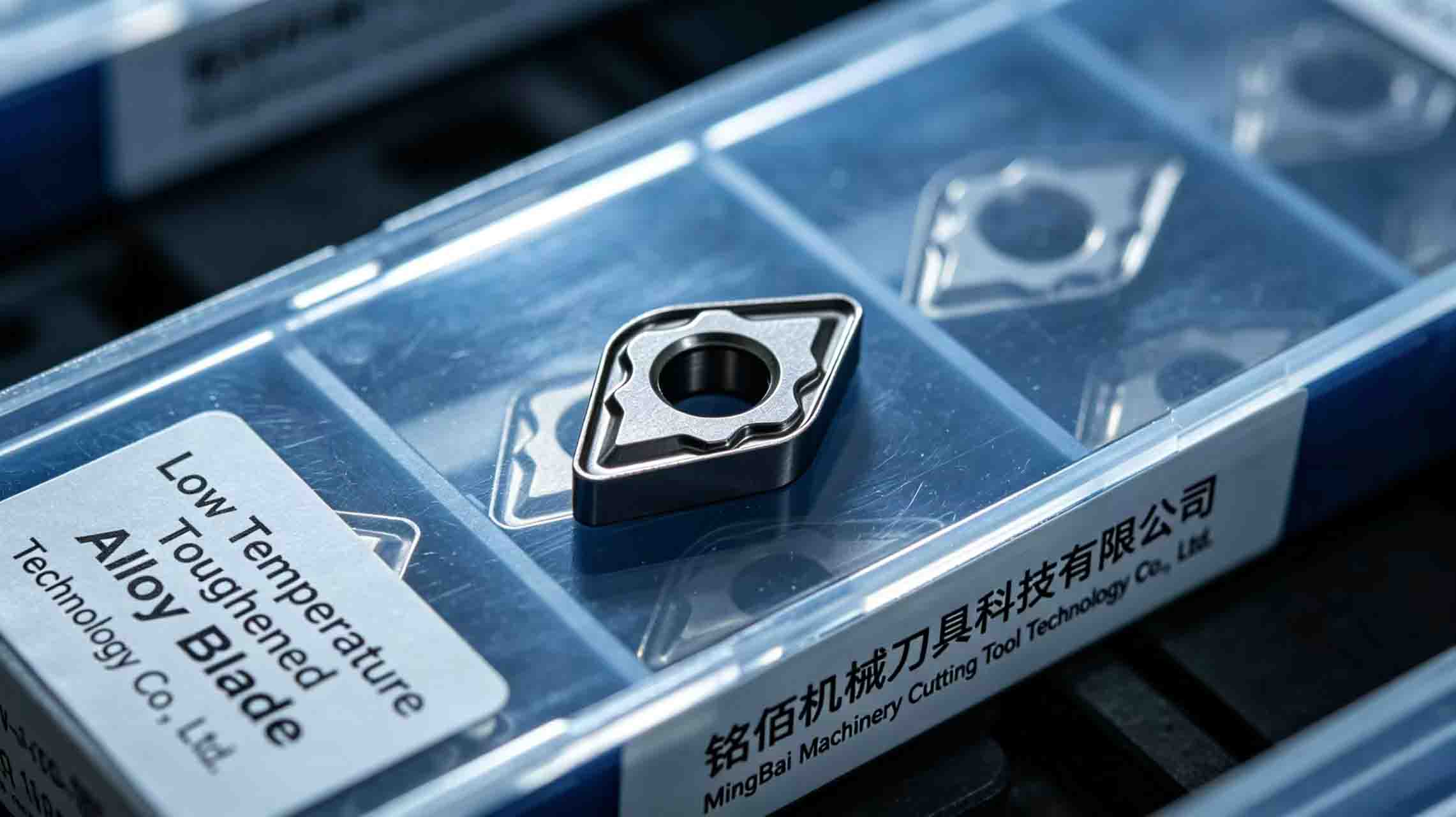
Mingbai Mechanical Tool Technology Co., Ltd. has introduced low-temperature tough alloy blades specifically for winter use. By adjusting the tempering temperature in the heat treatment process, we improve low-temperature toughness while maintaining hardness. We also provide blade preheating devices and low-temperature lubricant solutions to help customers get through winter smoothly.
Conclusion
Winter blade fractures are not a quality issue, but a temperature issue. Understanding low-temperature brittleness, preheating properly, adjusting parameters, and selecting suitable blade materials can all prevent fractures. Mingbai Technology is willing to provide specialized guidance for winter blade use.
Website: www.mingbaiblade.com
 IPv6 network supported |
Sitemap
|
Xml
|
Privacy Policy
IPv6 network supported |
Sitemap
|
Xml
|
Privacy Policy
leave a message
Scan to wechat :

Scan to whatsapp :
