 en
en Our factory has served countless products across various industries for 30 years, making a significant contribution to the cutting industry. Let us customize the cutting tools you need!
Mabu - CEO RisingBamboo

 Email: Mb@mingbaiblade.com
 Tel.: +86-13855519988



In metal slitting operations, wavy edges (also known as "scalloped edges" or "snake bends") on the material slit by slitter blades are among the most difficult defects to troubleshoot. Many users first suspect blade quality, but Mingbai Mechanical Tool Technology Co., Ltd., based on hundreds of on-site diagnoses, has found that about 60% of wavy edge problems originate from the equipment, and only 40% are directly related to the blade. This article helps you quickly identify the root cause and provides blade selection recommendations for different working conditions.
1. Two Typical Types of Wavy Edges
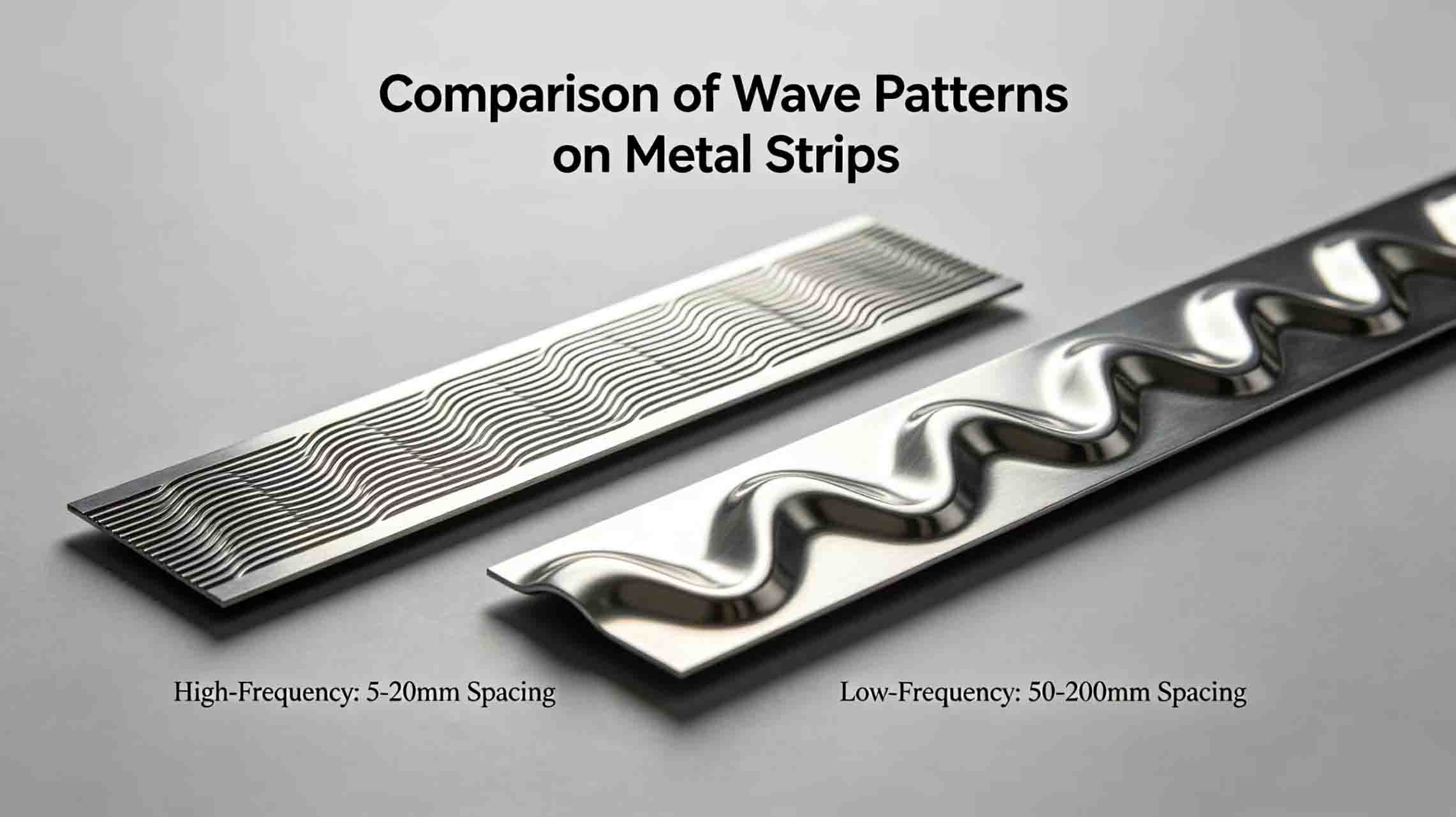
· High-frequency fine wavy edges: The distance between peaks and valleys is small (5-20mm), usually related to the rotational frequency of the blade or blade shaft.
· Low-frequency large wavy edges: The distance between peaks and valleys is large (50-200mm), usually related to equipment vibration, tension fluctuations, or the material itself.
2. First, Inspect the Equipment: Three Most Problematic Areas
1. Excessive clearance in blade shaft bearings
When bearings are worn, the blade experiences radial movement under shearing forces, causing the edge trajectory to become elliptical or oscillating, producing wavy edges. Inspection method: stop the machine, use a dial indicator against the outer diameter of the blade shaft, and pry up and down. If the clearance > 0.02mm, the bearings need replacement.

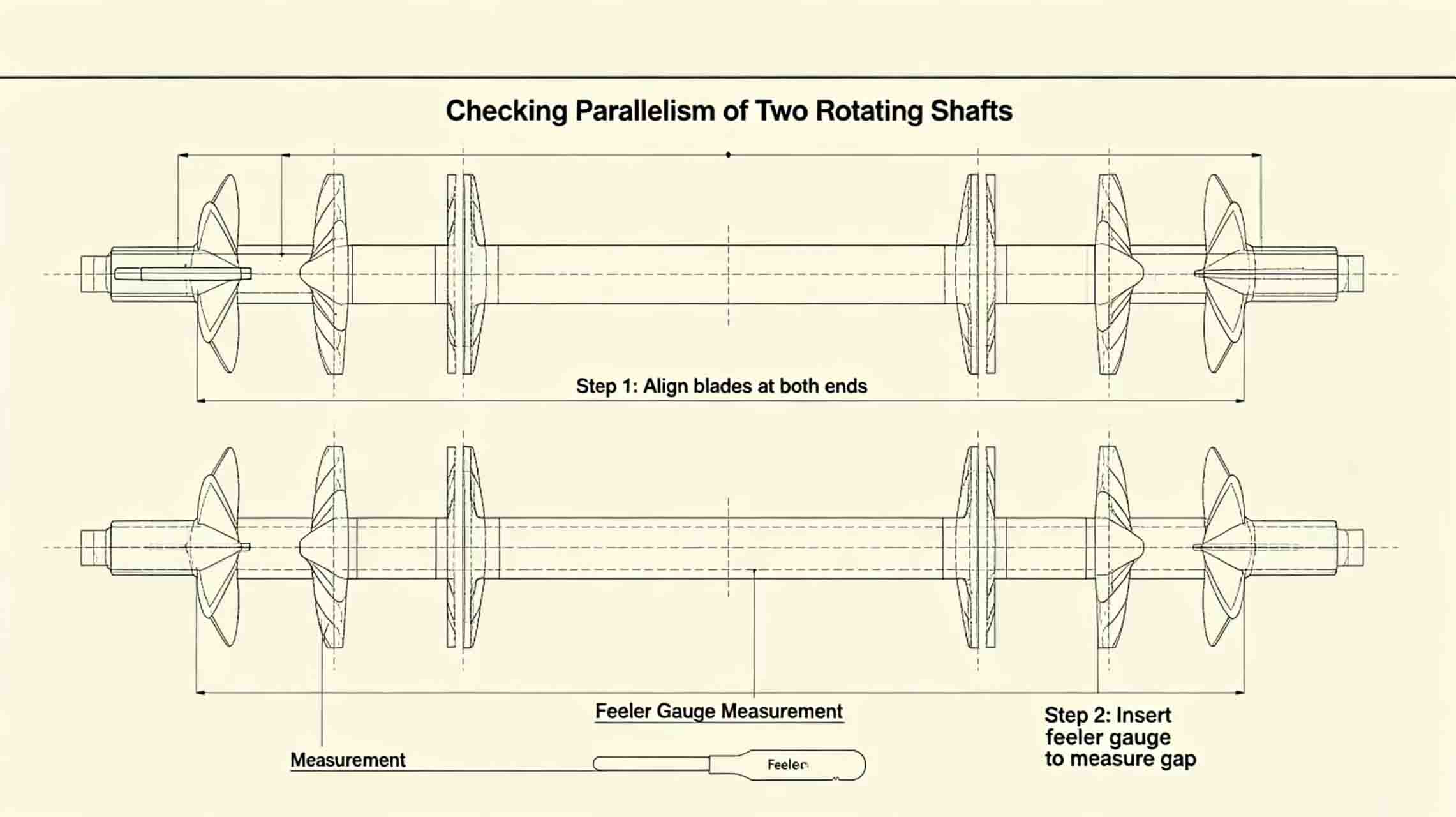
2. Poor parallelism between upper and lower blade shafts
Non-parallel shafts cause the blade gap to vary along the axial direction, resulting in uneven local stress on the material and producing wavy edges. Inspection method: measure the gap between upper and lower blades at both ends of the shaft with a feeler gauge. If the difference > 0.02mm per meter, adjustment is needed.
3. Insufficient rigidity of the equipment base or blade holder
During high-speed slitting, resonance between the blade holder vibration frequency and the blade shaft rotational frequency can also produce wavy edges. Try changing the cutting speed by 10%-15%. If the wavy edges disappear or shift position, the problem is equipment resonance.
3. Blade-Related Problems: Inspection Priorities for Different Scenarios
If equipment inspection reveals no issues, wavy edges may stem from blade precision or incorrect selection. Below are common blade problems in different slitting scenarios:
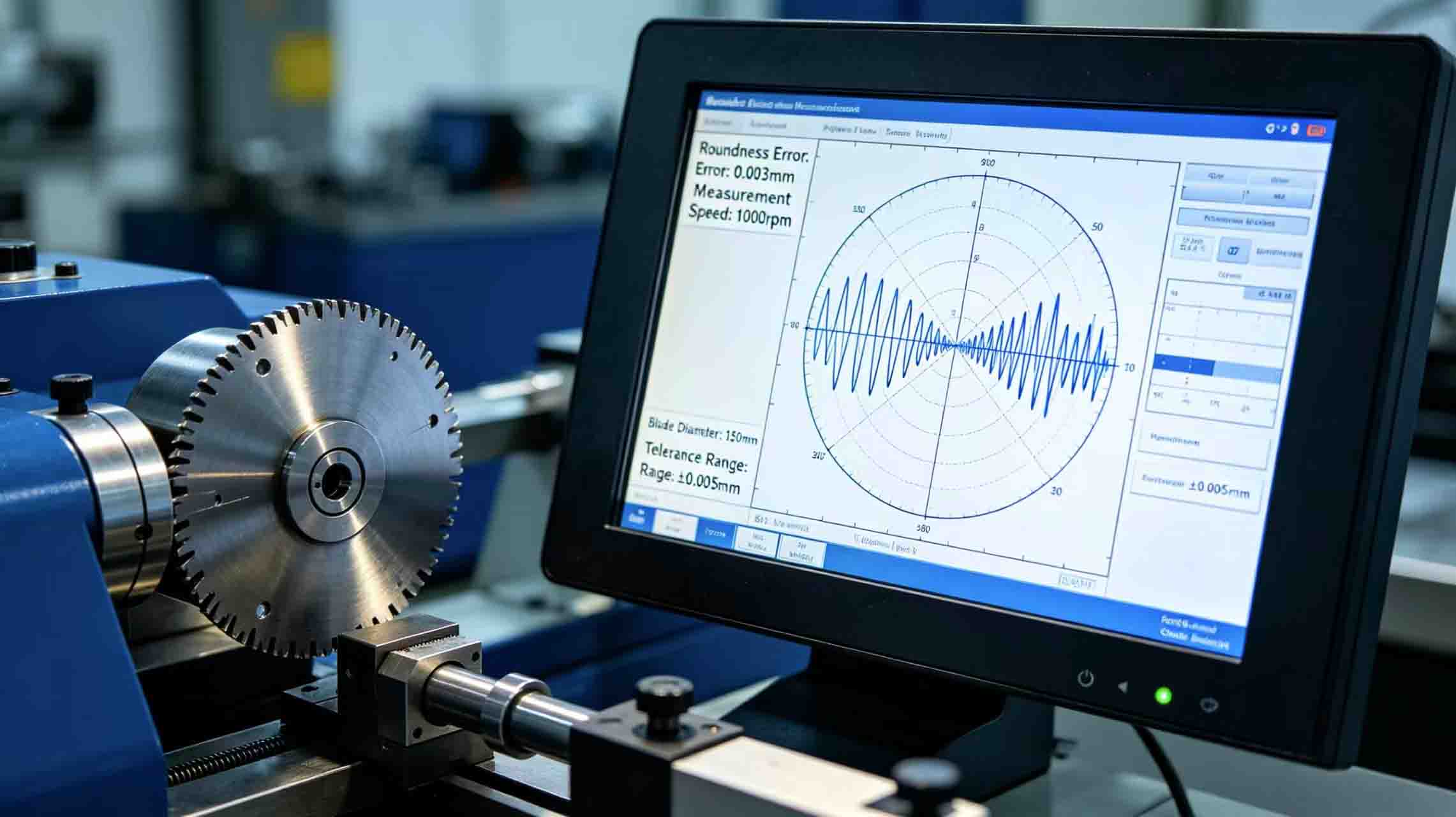
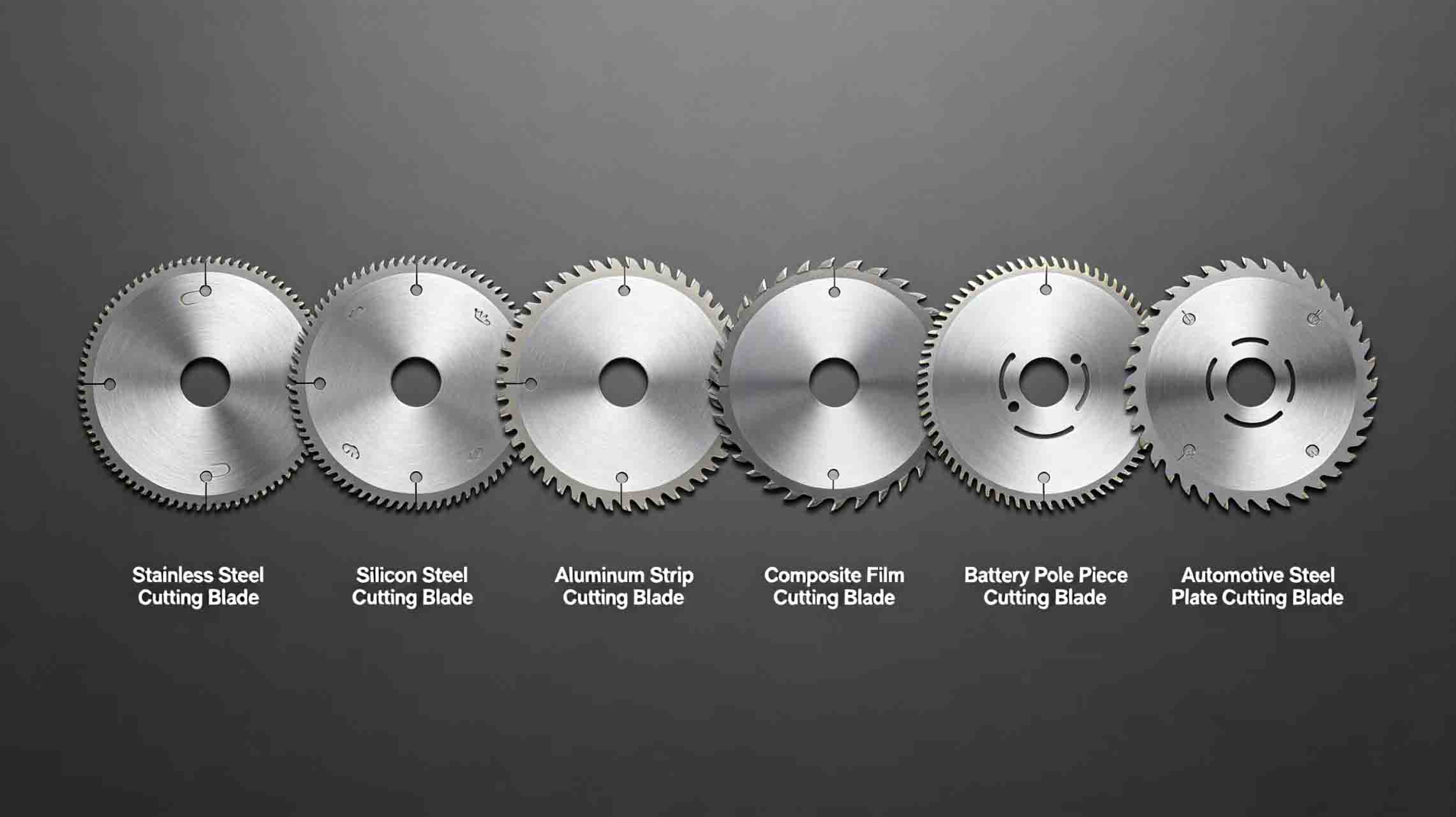
High-hardness circular blades for stainless steel strip slitting: If roundness > 0.005mm, radial runout occurs with each revolution, producing evenly spaced wavy edges. Use a roundness tester; if out of tolerance, send back for resharpening or replacement. Mingbai Technology offers such blades with roundness controlled within 0.003mm.
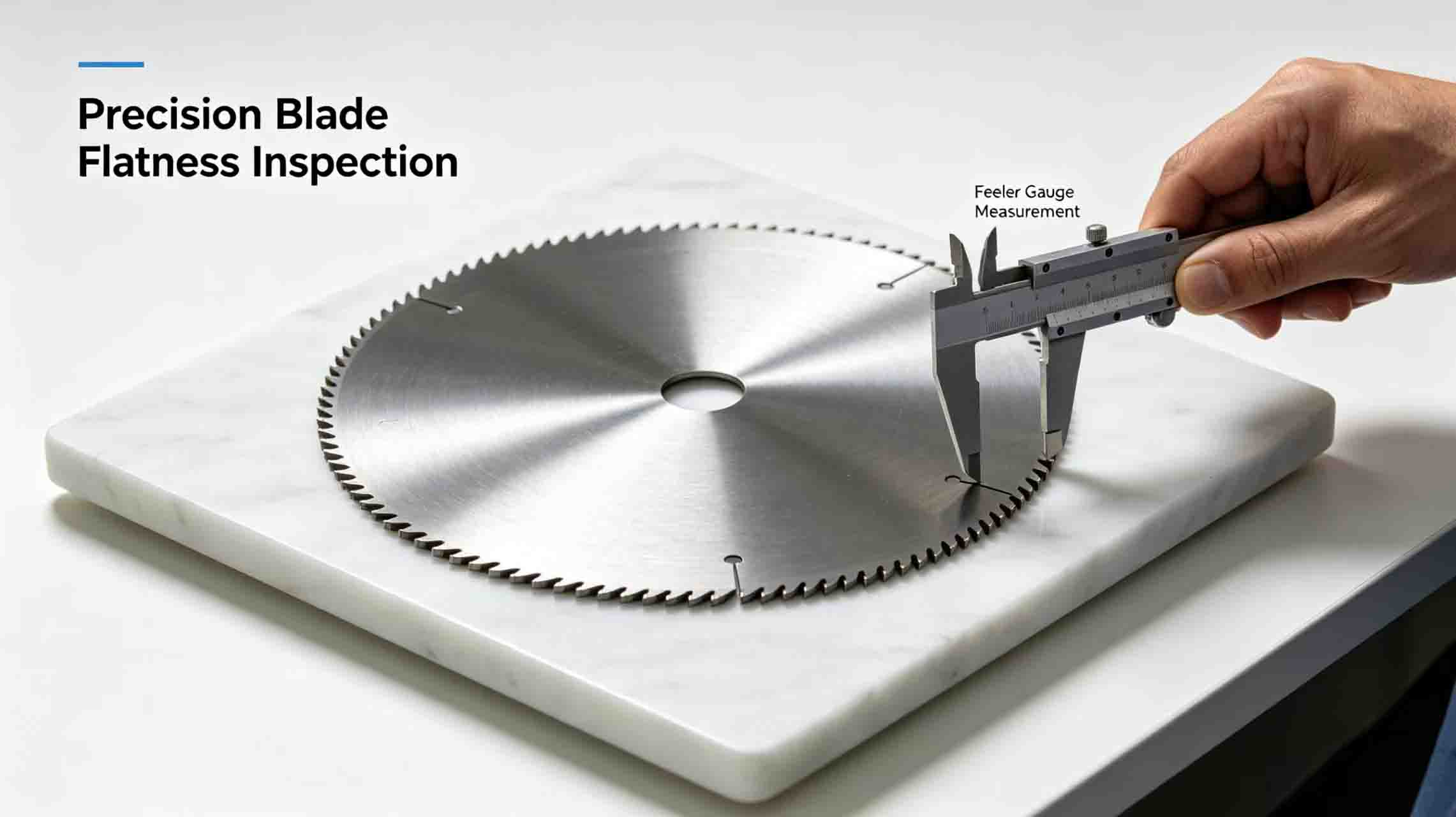
Wear-resistant alloy blades for silicon steel slitting: End face flatness should be ≤ 0.003mm. Excessive flatness causes axial runout, producing fine wavy edges. Place the blade on a granite surface plate and check with a feeler gauge. For silicon steel slitting in new energy vehicle motors, choose precision-grade blades with higher flatness.
Stainless steel blades for aluminum strip cutting: The clearance between the blade bore and the blade shaft should be ≤ 0.02mm. Excessive clearance causes eccentric installation, generating periodic radial impact during rotation and forming wavy edges. Mingbai Technology's Anti-adhesion circular blades designed for aluminum strip slitting use mirror polishing to reduce wavy edges.
Ultra-thin mechanical blades for composite film slitting: Hardness uniformity is critical. If heat treatment hardness deviation exceeds ±2 HRC, local edge wear rates differ, producing irregular wavy edges. Use a hardness tester for multi-point inspection. Mingbai's High-precision film slitting circular blades undergo 100% hardness inspection per batch.
Carbide blades for battery electrode slitting: Microscopic edge nicks can also induce wavy edges. It is recommended to use Lithium electrode dedicated circular blades, which are inspected under 200x magnification for edge integrity before shipment.
Custom slitter blades for automotive panel slitting: Uneven coating thickness can cause local friction coefficient variations, leading to wavy edges. Mingbai Technology provides Automotive steel dedicated slitter blades with PVD coating uniformity controlled within ±0.5μm.
4. Quick Judgment Flow Chart
1. First inspect the equipment: bearing clearance, blade shaft parallelism, blade holder rigidity.
2. Then inspect the blade: roundness, flatness, bore fit, hardness uniformity, coating quality.
3. Exchange test: move the suspected blade to another normal machine and run it.
· If wavy edges disappear → problem with the original equipment.
· If wavy edges persist → problem with the blade.
5. Mingbai Technology's Solutions
Mingbai Mechanical Tool Technology Co., Ltd. provides one-stop services for slitter blade wavy edge diagnosis:
· Free on-site inspection of blade roundness, flatness, and hardness.
· Assistance in troubleshooting equipment bearing clearance and parallelism.
· Supply of high-precision custom slitter blades with roundness ≤ 0.003mm and flatness ≤ 0.002mm.
· Dedicated blade selection recommendations for different materials (stainless steel, silicon steel, aluminum strip, composite film, battery electrodes, automotive panels).
6. Case Study
A stainless steel strip slitting plant used high-hardness circular blades for stainless steel strip slitting but still experienced wavy edges. Mingbai engineers inspected on-site and found that the radial clearance of the lower blade shaft bearing was 0.08mm (standard ≤ 0.02mm). After bearing replacement, the wavy edges completely disappeared.
Conclusion
When slitter blades produce wavy edges, do not focus only on the blade. First check the equipment's bearings, parallelism, and rigidity, then confirm whether the blade is suitable for your specific material. Mingbai Technology provides dedicated blades for different slitting scenarios, ensuring more accurate selection and smoother cutting.
https://www.mingbaiblade.com/
 IPv6 network supported |
Sitemap
|
Xml
|
Privacy Policy
IPv6 network supported |
Sitemap
|
Xml
|
Privacy Policy
leave a message
Scan to wechat :

Scan to whatsapp :
