Home

Blog

Blog

  • Why Are Your Circular Blades Getting Dull So Fast? Are You Using the Wrong Circular Blades?
    Mar 19, 2026
    In industrial slitting and cutting operations, few things are more frustrating than experiencing premature blade dulling. When your Circular Blades lose their edge after only a short period of use, it doesn't just mean replacing blades more frequently—it means production downtime, inconsistent cut quality, rising operational costs, and frustrated operators.   If you find yourself asking, "Why do my circular blades keep dulling so quickly?" the answer may not lie in the blade quality itself, but in whether you're using the right blade for your specific application. At Mingbai Mechanical Tool Technology Co., Ltd., we've helped countless customers diagnose and solve premature blade failure. Here are the most common reasons your circular blades are dulling too fast—and how choosing the right custom circular blades for metal can make all the difference.   1. Material Mismatch: The  Cause of Premature Dulling   The single most common reason circular blades dull quickly is simple: the blade material is not matched to the material being cut. Different workpiece materials have different hardness levels, abrasive characteristics, and chemical compositions—all of which interact with your blade's edge.   If you're cutting abrasive materials like fiberglass, carbon composites, or high-silicon electrical steels, standard tool steel blades will wear rapidly. These applications demand blades with higher wear resistance, such as those made from powdered metallurgy high-speed steel or carbide-tipped constructions.   Similarly, if you're cutting through stainless steel or other work-hardening materials, the blade must be tough enough to resist the localized hardening that occurs during cutting. Using standard carbon steel Circular Blades for these applications will result in rapid edge breakdown.     The Solution: Work with a manufacturer who offers custom circular blades for steel specifically engineered for ferrous metal cutting, with appropriate carbide types and edge geometries designed to withstand the challenges of steel processing.   2. Incorrect Hardness for Your Application   Blade hardness is a balancing act. Too soft, and the edge wears quickly. Too hard, and the blade becomes brittle, leading to chipping and micro-fractures that appear as rapid dulling.   Many operators assume that harder is always better. In reality, the optimal hardness depends on your specific cutting application. For high-impact cutting applications involving thick materials or interrupted cuts, a slightly softer but tougher blade may actually last longer than an ultra-hard blade that chips at the edge.   The Solution: Seek out custom circular blades high precision options where the hardness is precisely matched to your operational parameters, not just maxed out for marketing purposes.   3. Wrong Edge Geometry for Your Material   Blade geometry—including the sharpness angle, clearance angles, and edge radius—must be optimized for the specific material you're cutting. Using a blade designed for cutting soft plastics on abrasive materials will result in rapid edge deterioration.     For example:   · Cutting soft, gummy materials like copper or aluminum requires sharper edges with polished surfaces to prevent adhesion and reduce cutting forces · Cutting abrasive materials requires more robust edge geometries that distribute wear across a larger area · Cutting thin foils demands razor-sharp edges with minimal radius · Cutting thick materials requires stronger edge angles to prevent fracture   Using a general-purpose blade with suboptimal geometry for your specific material will inevitably lead to faster dulling.   The Solution: Invest in custom circular blades for aluminum or other specific materials, with edge geometries engineered specifically for those applications.   4. Poor Surface Finish Leading to Friction and Heat     The surface finish of your circular blades directly impacts how quickly they dull. Rough blade surfaces increase friction between the blade and the material being cut. This friction generates heat—and heat is the enemy of blade hardness.   When blade temperatures rise due to excessive friction, even high-speed steel can lose its temper, resulting in rapid softening and accelerated wear. In extreme cases, the blade edge can actually anneal (soften) during operation, leading to catastrophic failure.   Poor surface finish also contributes to material adhesion, where workpiece material builds up on the blade edge. This built-up material effectively changes the blade geometry, increasing cutting forces and accelerating wear.   The Solution: Specify Circular Blades with mirror-like surface finishes, typically achieved through superfinishing or polishing operations after grinding.    5. Incorrect Clearance or Overlap Settings   Sometimes the blade isn't the problem—the setup is. Incorrect blade clearance (the gap between mating blades) or improper overlap settings can dramatically accelerate blade wear.   If the clearance is too tight, blades rub against each other, generating friction and heat that wear down both blades. If the clearance is too loose, the material is pinched and torn rather than cleanly cut, increasing cutting forces and edge stress.   Similarly, incorrect blade alignment causes uneven loading along the blade edge, concentrating wear on specific areas rather than distributing it evenly.   The Solution: Work with technical experts who understand not just blades, but the entire cutting system. Manufacturers offering custom circular blades heavy duty often provide setup recommendations based on extensive application experience.   6. Inadequate Lubrication or Cooling   Many cutting applications require proper lubrication or cooling to maintain blade performance. Without adequate lubrication, friction increases, temperatures rise, and blades dull faster.   This is particularly critical in high-speed applications or when cutting materials that work-harden, where heat management is essential to maintaining blade hardness.   The Solution: Evaluate your lubrication system and ensure it's delivering the right type and quantity of coolant for your specific operation.   7. Using "One-Size-Fits-All" Blades for Diverse Applications   Perhaps the most common mistake we see is operators using the same blade specifications for multiple different materials or applications. While this simplifies inventory management, it virtually guarantees that blades are suboptimal for at least some of your applications.   A blade that works reasonably well for cutting mild steel may perform poorly on stainless steel, wear quickly on abrasive materials, and chip on interrupted cuts.   The Solution: Consider developing a family of custom circular blades for metal applications, each optimized for specific material types and cutting conditions. The upfront investment in multiple blade specifications often pays for itself through extended blade life and improved cut quality.   How Mingbai Technology Can Help     At Mingbai Mechanical Tool Technology Co., Ltd., we specialize in engineering Circular Blades for specific applications, not just manufacturing generic products. Our approach begins with understanding your:   · Material type, thickness, and condition · Cutting speeds and feed rates · Equipment specifications and limitations · Quality requirements and tolerance expectations · Production volume and changeover constraints   From there, our engineers recommend the optimal blade material, hardness, geometry, and surface finish for your unique application. Whether you need custom circular blades high precision for ultra-tight tolerance work, custom circular blades heavy duty for demanding applications, or material-specific solutions like custom circular blades for aluminum or custom circular blades for steel, we have the expertise to deliver.   Signs You're Using the Wrong Circular Blades     Still not sure if your blade selection is the problem? Watch for these telltale signs:   · Inconsistent cut quality: Burrs, tear-outs, or rough edges that vary throughout the day · Frequent adjustments: Constantly needing to reset blade positions or clearances · Material deformation: Distortion, burning, or work-hardening at the cut edge · Excessive dust or fines: More debris than expected for your material · Equipment strain: Motors working harder, unusual vibrations, or temperature increases   If any of these sound familiar, it's time to reevaluate your circular blade selection.   Conclusion   Premature blade dulling is rarely just "bad luck" or poor blade quality. More often, it's a sign that your Circular Blades aren't optimally matched to your application. By understanding the factors that influence blade wear—material compatibility, hardness, geometry, surface finish, and operating conditions—you can make informed choices that extend blade life, improve cut quality, and reduce overall operating costs.   At Mingbai Mechanical Tool Technology Co., Ltd., we don't just sell blades—we provide cutting solutions. Contact us today to discuss your application, and let our experts help you select or design the perfect custom circular blades for metal for your specific needs. Because when you use the right blade, "premature dulling" becomes a thing of the past. Website: www.mingbaiblade.com
  • The Impact of Blade Concentricity and Surface Finish on Cutting Quality
    Mar 18, 2026
    In the field of precision slitting and metal processing, blade performance is often reflected in seemingly minor yet critically important technical indicators. Among these, concentricity and surface finish are core parameters that measure the quality of circular blades, slitter blades, and various types of precision machine blades. These two indicators directly determine the stability of the cutting process, the quality of the cut edge, and the service life of the blade. Today, Mingbai Mechanical Tool Technology Co., Ltd. will provide an in-depth technical analysis of the specific impacts of concentricity and surface finish on cutting quality.   1. What is Blade Concentricity?   Blade concentricity refers to the coaxiality error between the outer diameter of the blade and its center hole. Simply put, it describes whether the outer edge of the blade rotates around its true center when the blade is spinning. For high-precision circular blades, concentricity is the foundation for ensuring cutting accuracy.   When a blade is mounted on a rotating shaft, if there is an eccentricity between the outer diameter and the center hole, the blade will experience radial runout during high-speed rotation. This runout causes the actual position of the blade edge during cutting to constantly change, thereby affecting cutting quality.     2. Impact of Concentricity on Cutting Quality   1. Inconsistent Cutting Width   During the slitting process, the gap between the upper and lower blades is precisely set. If the blade concentricity is poor, the edge position changes periodically during rotation, causing the blade gap to fluctuate. The result is inconsistent strip widths that cannot meet the precision requirements of downstream processes. For custom slitter blades, this problem is particularly critical because customization often implies demanding dimensional accuracy requirements.   2. Increased Burr Formation   The radial runout caused by poor blade concentricity makes the shearing process unstable. When the blade rotates to the position of maximum eccentricity, the actual shearing force changes, leading to the material being partially torn rather than cleanly cut. This tearing is inevitably accompanied by burr formation. For slitter blades used for shearing materials like silicon steel, copper foil, and aluminum foil, burr issues directly impact the product yield rate.   3. Reduced Blade Life   Radial runout means the blade experiences uneven forces during cutting. At a certain phase of each rotation, the blade edge bears a greater impact load, while other phases are relatively stress-free. This cyclical impact accelerates localized wear on the edge and can even lead to chipping. Precision machine blades that could normally last for months might fail within weeks due to concentricity problems.   4. Increased Equipment Vibration   Blade runout transmits throughout the entire equipment system, causing vibration in the spindle and frame. Operating under these conditions long-term not only affects cutting quality but also damages equipment bearings, shortening the machine's lifespan.   3. What is Blade Surface Finish?   Blade surface finish, also known as surface roughness, refers to the characteristics of the microscopic geometry of the blade surface, typically expressed by the Ra value (arithmetical mean deviation of the profile). For CNC machined blades, surface finish is not just about aesthetics; it directly relates to friction, heat generation, and chip evacuation during the cutting process.     4. Impact of Surface Finish on Cutting Quality   1. Friction Coefficient and Heat Generation   The rougher the blade surface, the greater the friction coefficient when contacting the material being cut. During high-speed cutting, friction generates significant heat. Excessive temperature rise can cause the blade hardness to decrease (especially for high-speed steel materials), accelerating wear. Simultaneously, heat transferred to the material's edge may cause thermal deformation or burning. For circular blades slitting heat-sensitive materials like lithium battery electrodes, the importance of surface finish is self-evident.   2. Chip Evacuation Efficiency   During machining, chips need to flow smoothly along the blade's rake face. If the blade surface is rough, chips encounter greater resistance during evacuation, are prone to clogging in the cutting zone, can scratch the machined surface, and may even lead to tool chipping. Good surface finish allows chips to glide smoothly across the blade surface, ensuring a stable cutting process.   3. Anti-Adhesion Performance   When processing materials with high adhesion tendency, such as copper, aluminum, or stainless steel, a rough blade surface is more likely to serve as a starting point for material adhesion. Once adhesion begins, the built-up material expands rapidly, forming a built-up edge (BUE) that completely destroys the edge geometry. Custom blades with high surface finish effectively inhibit material adhesion, keeping the edge clean.   4. Microscopic Edge Strength   The microscopic unevenness of a blade surface consists of countless tiny pits and peaks. These microscopic defects can become stress concentration points under load, initiating micro-cracks. As cutting continues, crack propagation can lead to edge chipping. Therefore, high surface finish not only means better surface quality but also implies higher edge strength.     5. Mingbai Technology's Process Guarantees   1. Precision Grinding Technology   To ensure the concentricity of circular blades, Mingbai Technology employs high-precision CNC grinding machines, completing precision grinding of both the inner bore and outer diameter in a single setup. By eliminating clamping errors, we can control blade concentricity within extremely tight tolerance ranges. For demanding slitter blades, we also perform in-process dynamic balancing tests to further eliminate residual imbalance.     2. Multi-Stage Finishing Process   For surface finish control, Mingbai Technology has established a multi-stage finishing process system ranging from rough grinding, fine grinding to super-finishing. Based on different material characteristics and operating conditions, we select appropriate grinding wheel grit sizes and parameters to ensure that the edges and surfaces of precision machine blades achieve mirror-like finish. For custom slitter blades with special requirements, we also perform lapping and polishing treatments, achieving Ra values below 0.2μm.   3. Full-Process Inspection   Quality stems from process control. Mingbai Technology has established a comprehensive quality inspection system. Every CNC machined blade undergoes strict inspection using concentricity testers and roughness testers before shipment, ensuring both core parameters fully comply with design requirements.   6. Practical Case Analysis   Consider a circular blade used by a new energy company for slitting lithium battery electrodes. The blades previously used by this company had poor concentricity, resulting in frequent excessive burrs and a blade change interval of only 4 hours. After adopting Mingbai Technology's high-concentricity, high-finish circular blades, burr issues were completely resolved, the blade change interval extended to 12 hours, and overall operating costs were reduced by over 50%.   Another example involves a silicon steel processing company whose slitter blades frequently experienced material adhesion due to insufficient surface finish, requiring machine stoppages for cleaning. After switching to Mingbai Technology's mirror-finish custom slitter blades, the adhesion problem completely disappeared, and production efficiency increased by 30%.     Conclusion   Concentricity and surface finish, seemingly minor technical indicators, have a decisive impact on cutting quality. As a professional tool manufacturer, Mingbai Mechanical Tool Technology Co., Ltd. always prioritizes these two indicators as the cornerstone of quality control. Through advanced processing equipment, scientific process systems, and strict inspection standards, we ensure that every precision machine blade shipped delivers maximum value to customers with its optimal rotational performance and smoothest surface.   Choose Mingbai, choose precision and reliability. Website: www.mingbaiblade.com
  • Introduction to Blade Heat Treatment Processes and Grade Comparison
    Mar 17, 2026
    In the entire manufacturing process of precision mechanical tools, if the material is the "flesh and blood" of the blade, then heat treatment is the key process that endows the blade with a "soul." A scientifically sound heat treatment process can fully unleash the potential of high-quality raw materials, enabling slitter blades, circular blades, and various types of custom blades to achieve optimal hardness, toughness, wear resistance, and fatigue resistance. Today, Mingbai Mechanical Tool Technology Co., Ltd. will provide a systematic introduction from a professional perspective to the main types of blade heat treatment processes and conduct a comparative analysis of different process grades.   1. Why is Heat Treatment So Important for Blades?   During service, mechanical blades often have to withstand enormous cutting forces, impact loads, and intense friction. Whether it's precision machine blades shearing silicon steel sheets or circular blades slitting lithium battery electrodes, blades are required to possess high hardness to maintain edge sharpness, while also having sufficient toughness to prevent chipping and fracture.   Heat treatment is the core method for balancing this pair of contradictions. By precisely controlling the heating temperature, holding time, and cooling rate, the metallographic structure inside the steel is altered, thereby achieving the desired mechanical properties. It can be said that the level of heat treatment directly determines the final quality grade of the blade.   2. Introduction to Main Heat Treatment Process Types   1. Annealing   Annealing is a heat treatment process where steel is heated to above the critical temperature, held there, and then cooled slowly. Its main purposes are to eliminate internal stress, reduce hardness, improve machinability, and prepare the structure for subsequent quenching.   For blanks of CNC machined blades, annealing treatment is crucial. For example, forgings made of high-carbon high-chromium tool steel Cr12MoV typically require annealing at 940-960°C, held at temperature, then furnace cooled to around 700°C before being removed for air cooling, in order to obtain a uniform spheroidized pearlite structure, laying a good foundation for subsequent quenching.   2. Quenching   Quenching is the core process in blade heat treatment. By heating the steel above the critical temperature and then cooling it rapidly (e.g., in oil, salt bath), austenite transforms into martensite, thereby achieving high hardness and high wear resistance.   Quenching processes vary significantly for custom slitter blades made of different materials. Taking Cr12MoV material as an example, slitter blades are typically heated to 1020-1050°C and quenched in oil, achieving a hardness of 58-62 HRC. For 9Cr18 stainless steel circular blades, heating to 1000-1050°C followed by oil quenching results in a hardness of over 55 HRC, combined with good corrosion resistance. High-speed steel custom blades require even higher quenching temperatures, reaching 1180-1240°C, to obtain sufficient red hardness, achieving a hardness of 63-67 HRC.     3. Tempering   The structure of a blade after quenching is in a metastable state, with high internal stress and brittleness, so tempering must be carried out promptly. Tempering involves reheating the quenched blade to a temperature below the critical point, holding, and then cooling, to eliminate internal stress, stabilize the structure, and adjust hardness and toughness.   For example, Cr12MoV precision machine blades are typically tempered at 500±10°C for 2-3 hours. For high-speed steel tools, 3-4 tempering cycles are often necessary to ensure complete transformation of retained austenite and achieve the optimal balance of toughness.   4. Cryogenic Treatment   Cryogenic treatment involves further cooling the quenched blade to ultra-low temperatures of -80°C or even -160°C, promoting the transformation of retained austenite into martensite, thereby enhancing hardness, wear resistance, and dimensional stability.   Research indicates that for high-precision circular blades, cryogenic treatment at -140°C to -160°C for 4-6 hours can significantly improve blade life and cutting quality. For custom slitter blades requiring extreme wear resistance, cryogenic treatment at -80°C to -90°C is also highly effective, potentially extending blade life by 20%-30%.     3. Comparison of Hardness Grades for Common Blade Materials   When selecting blade materials, different materials correspond to different heat treatment hardness ranges and applicable working conditions.     Carbon tool steels, such as T8 and T10, are relatively basic blade materials. After quenching, they can achieve a hardness of 58-62 HRC. These materials are low-cost and suitable for light-duty cutting applications, but their wear resistance and red hardness are relatively average, often used for temporary processing where performance requirements are not high.   Low-alloy tool steels, such as 9CrSi and CrWMn, offer good hardenability and minimal heat treatment distortion, achieving a hardness of 58-63 HRC. These materials are particularly suitable for manufacturing thin blades or custom blades with complex shapes, balancing hardness with controlled deformation.   High-carbon high-chromium tool steels, represented by Cr12MoV, are common materials for manufacturing slitter blades and circular blades. Their quenched hardness ranges from 58-62 HRC. Their outstanding advantage lies in excellent wear resistance, attributed to the presence of a large number of high-hardness carbides in the material, making them suitable for continuous shearing of metals like steel and copper.     Martensitic stainless steels, such as 9Cr18, can achieve a hardness of over 55 HRC after quenching. The main characteristic of these materials is their combination of hardness and corrosion resistance, suitable for cutting applications in food processing, medical devices, or humid environments, maintaining edge sharpness while resisting rust.   High-speed steels, such as W6Mo5Cr4V2, represent high-performance tool materials. Their quenched hardness can reach 63-67 HRC. Their core advantage lies in high red hardness—the ability to maintain hardness even at high temperatures generated during high-speed cutting—making them suitable for high-speed cutting tools and applications demanding extreme wear resistance.   It is particularly important to note that hardness is not the sole indicator of blade performance. Precision machine blades seek the optimal match between hardness and toughness—too hard leads to brittleness and chipping; too soft results in poor wear resistance and short life. Therefore, in formulating heat treatment processes, Mingbai Technology always adheres to the principle that "hardness is a surface phenomenon, but the metallographic structure is the essence," pursuing high hardness targets while ensuring an ideal metallographic structure.   4. Application of Advanced Heat Treatment Technologies   As the manufacturing industry continues to upgrade, blade heat treatment technologies are also constantly innovating. Currently, industry-leading processes include:   Vacuum protective atmosphere heat treatment, which involves heating in a vacuum environment to effectively prevent surface oxidation and decarburization, ensuring edge quality. This is especially suitable for high-precision circular blades and CNC machined blades with extremely high surface quality requirements.     Induction hardening local quenching technology is mainly applied to blades with a bimetallic structure (e.g., tool steel edge on a tougher backing). This process rapidly induction heats and quenches only the edge steel portion, while the blade body maintains its original toughness. This ensures edge hardness while preserving overall strength, offering energy efficiency and high effectiveness.   Thermomechanical treatment is an advanced process that combines forging and heat treatment. By quenching directly during plastic deformation of the metal, a finer grain structure and superior comprehensive mechanical properties can be achieved.   The application of computer precision temperature control technology enables digital control throughout the entire heat treatment process. Through real-time monitoring and automatic adjustment of furnace temperature, consistency in mass-produced products is ensured, avoiding quality fluctuations caused by manual operation errors.   5. Mingbai Technology's Heat Treatment Practice   As a professional tool manufacturer, Mingbai Mechanical Tool Technology Co., Ltd. has always regarded heat treatment as a core process link. In the production of our CNC machined blades, custom slitter blades, and various circular blades, we precisely design heat treatment process parameters based on the characteristics of different materials and customer operating conditions, strictly implementing quality inspection standards.   We deeply understand that only by perfectly combining material, heat treatment, and precision machining can truly blade products be manufactured. From annealing, quenching, tempering to cryogenic treatment, every step is meticulously designed and strictly controlled to ensure that every precision machine blade shipped achieves the optimal balance between performance and service life. In the future, Mingbai Technology will continue to delve deeper into the field of heat treatment processes, serving global customers with higher quality products. Website: www.mingbaiblade.com
  • The Enhancement Effect of PVD/TiN Coatings on Metal Cutting
    Mar 16, 2026
    In the field of metal cutting, the performance of blades directly determines production efficiency, machining quality, and overall costs. As modern manufacturing demands increasingly higher cutting precision and efficiency, how to extend the service life of slitter blades, circular blades, and various types of custom blades while ensuring stable cutting performance has become a focal point for both tool manufacturers and end-users. Physical Vapor Deposition (PVD) technology, particularly the application of Titanium Nitride (TiN) coatings, provides an effective solution to this challenge. This article will delve into the enhancement effects of PVD/TiN coatings on metal cutting performance from multiple dimensions.   1. Hardness Increase: Bestowing an "Indestructible" Body on the Blade   The high surface hardness imparted by coatings is one of the core factors in improving tool life. Research indicates that high-speed steel cutting tools treated with PVD coating can see their hardness significantly increase from approximately 1000 HV0.5 (uncoated) to over 1300 HV0.5. For precision machine blades, this increase in hardness means the blade surface can better resist the micro-cutting action of hard particles within the workpiece material during the cutting process.     As one of the most classic PVD coatings, Titanium Nitride (TiN) coating can achieve a hardness of Hv 3000-4000. When this ultra-hard thin film covers the surface of CNC machined blades, it acts like a tough "armor" for the blade, enabling it to significantly delay edge wear and maintain sharpness during high-speed continuous cutting of high-strength materials such as silicon steel and stainless steel.     2. Reduced Friction Coefficient: Smoother Cutting, Less Heat Generation   A high friction coefficient increases cutting heat, potentially shortening coating life or even causing it to fail. Reducing the friction coefficient can greatly extend tool life. PVD/TiN coatings possess excellent surface lubricity; the smooth and fine coating surface helps chips slide away rapidly from the rake face, reducing heat generation.   For custom slitter blades, intense friction inevitably occurs between the blade and the material being cut during the shearing process. The presence of a TiN coating acts like a solid lubricating film on the blade surface, effectively reducing the friction coefficient. This not only minimizes cutting heat but also prevents high-temperature welding between the blade and workpiece material, thereby maintaining the stability of the cutting process.     3. Wear Resistance and Oxidation Resistance: Extending Blade Service Life   Wear resistance refers to the coating's ability to withstand abrasion. PVD coatings significantly enhance the wear resistance of the blade surface by forming a dense film structure. Studies show that the service life of forming tools coated with PVD TiN can be increased by 350-450%, and for cutting tools, the improvement can reach 650-910%. This means that circular blades, which previously required frequent stoppages for replacement, can have their change intervals significantly extended after applying TiN coating, thereby boosting production efficiency.   Oxidation temperature is the temperature at which the coating begins to decompose; a higher oxidation temperature is more favorable for cutting operations under high-temperature conditions. TiN coating exhibits good high-temperature stability. Building on this, TiAlN coatings (appearing violet-blue) perform even better in high-temperature machining because they form an aluminum oxide layer between the tool and chip, transferring heat from the tool to the workpiece or chip.     4. Anti-Adhesion Property: Solving the Built-Up Edge Problem   The anti-adhesion property of a coating prevents or mitigates chemical reactions between the tool and the workpiece material, avoiding the deposition of workpiece material onto the tool. When machining non-ferrous metals (such as aluminum, copper, etc.), a built-up edge (BUE) often forms on the tool, leading to tool chipping or workpiece dimension errors.   For slitter blades widely used in industries like new energy and electronic materials, anti-adhesion is particularly crucial. During high-speed slitting of lithium battery electrodes or copper/aluminum foil, once the material being processed starts to adhere to the blade, the adhesion expands continuously, eventually causing burrs or tears on the cut edge. PVD/TiN coatings, with their chemical inertness and smooth surface, effectively inhibit material adhesion, ensuring clean and flawless cut edges.   5. Practical Application Results: Data Witnessing Performance Enhancement   Numerous studies confirm the outstanding performance of PVD coatings in practical cutting applications. In a drilling study on SKD11 and SCM4 materials (widely used in automotive and mold industries), test results showed that when machining with carbide drills, tool life with cutting fluid was extended more than nine times compared to dry machining. Furthermore, when machining SCM4 material, the single-layer TiN coating performed best.   For custom blades, selecting the appropriate coating type is critical. Different coatings have their own characteristics: Titanium Nitride (TiN) coating (golden color) is a general-purpose PVD coating that increases tool hardness and has a high oxidation temperature; Titanium Carbonitride (TiCN) coating (rainbow color) incorporates carbon, increasing hardness by about 33% compared to TiN; Titanium Aluminum Nitride or Aluminum Titanium Nitride (TiAlN/AlTiN) coating (violet-blue) is suitable for carbide tools in dry or semi-dry machining.     6. Mingbai Technology's Coating Application Practice   As a professional tool manufacturer, Mingbai Mechanical Tool Technology Co., Ltd. fully understands the decisive role of coating technology in blade performance. In the production of our CNC machined blades, high-precision circular blades, and various custom slitter blades, we extensively apply advanced PVD coating technology, recommending the most suitable coating solutions based on the customer's specific machining conditions.   Whether it's slitter blades for high-speed shearing of silicon steel or circular blades for slitting lithium battery electrodes, Mingbai Technology, through precise coating selection and process control, provides customers with longer blade life, more stable cutting quality, and lower overall operating costs.   Conclusion   PVD/TiN coating technology, with its outstanding performance in hardness enhancement, friction reduction, wear and heat resistance, and anti-adhesion, is profoundly changing the landscape of metal cutting. As a tool enterprise driven by technological innovation, Mingbai Technology will continue to deepen its expertise in coating application technology, delivering greater value to global customers through higher quality precision machine blades and more reliable custom blades. Website: www.mingbaiblade.com
  • The Important Role of Surface Hardening Treatment on Blade Life
    Mar 12, 2026
    In metal cutting, packaging material slitting, and various industrial processing scenarios, the wear rate of blades directly affects production efficiency and cost control. Many users may find that even with the same base material, blades that undergo special surface treatment often have their service life increased several times or even dozens of times. This is the value of surface hardening treatment technology.   Today, Mingbai Machinery Blade Technology Co., Ltd. will analyze from a professional perspective the important role of surface hardening treatment on blade life, as well as several mainstream surface strengthening technologies currently available.   Why is Surface Hardening Treatment Needed?   Rotary shear blades, circular blades, and other industrial blades face complex mechanical and thermal challenges during use: the cutting edge requires extremely high hardness to resist wear, while the blade body needs sufficient toughness to withstand impact and vibration. However, hardness and toughness are often contradictory in materials science—the higher the hardness, the easier it is for toughness to decrease.   Surface hardening treatment is an effective way to resolve this contradiction. By forming a high-hardness strengthening layer on the surface of the blade substrate while maintaining the original toughness of the base material, an ideal state of "hard exterior, tough interior" is achieved. This treatment method can significantly enhance wear resistance and service life without changing the overall design of the blade.   Mainstream Surface Hardening Treatment Technologies   1. Coating Technology: The Perfect Combination of Chemistry and Physics   Coating technology is currently the most widely used surface hardening method, mainly divided into two categories: Chemical Vapor Deposition (CVD) and Physical Vapor Deposition (PVD).   CVD coating has a higher process temperature (typically above 900°C) and can achieve deposition of single-component single-layer and multi-component multi-layer composite coatings. Its outstanding advantage is the high bonding strength between coating and substrate, with film thickness reaching 7-9μm, giving blades excellent wear resistance. CVD technology is mainly used for surface treatment of carbide indexable inserts.   PVD coating has a low process temperature (as low as 80°C) and basically has no effect on the flexural strength of the tool material. More critically, the internal stress state of PVD coating is compressive stress, and the film bonds firmly with the substrate, making it particularly suitable for surface treatment of precision complex carbide tools and high-speed steel tools. Currently, PVD technology has been widely applied in coating treatment for carbide drills, milling cutters, reamers, taps, special-shaped tools, and welded tools. For rotary shear blades and circular blades, PVD coating is a more suitable choice. Research shows that through PVD surface strengthening technology, a carbide inner coating, nitride second coating, and oxide protective coating can be sequentially formed on the blade edge surface, greatly improving the shearing performance and service life of circular shear blades.   2. Common Coating Materials and Their Characteristics   TiN (Titanium Nitride) coating is the most classic coating material, with surface hardness reaching above HRC 83. After TiN coating treatment using the PVD method, tool life can be extended by 3-8 times. At the same time, TiN coating has good lubricating properties, can improve the roughness of the cutting surface, and itself has anti-rust effects, which can increase the storage life of blades.   Composite nano-coating represents the frontier direction of coating technology. A typical composite nano-coating structure includes, from inside to outside, a metal Ti base layer, a TiN buffer layer, a composite strengthening layer with alternating TiAlN and TiCrN, and a TiAlCrN temperature-resistant layer. This multi-layer composite structure gives blades higher hardness, lower friction coefficient, excellent wear resistance, and high-temperature performance, meeting the needs of high-speed cutting, while having low internal stress within the coating and high bonding strength with the substrate.   Carbon nitride coating is a new type of ultra-hard thin film material with excellent ultra-hard capability, low friction coefficient, and thermal conductivity. Circular blades with carbon nitride coating have significantly improved surface hardness and show no significant thermal weight loss even at temperatures reaching 1200°C, making them particularly suitable for processing high-hardness materials.   3. ESC Process: Refined Edge Strengthening Treatment   The ESC (Edge and Surface Conditioning) process is a comprehensive treatment method for strengthening (passivating) tool edges and surface polishing. Unlike coating technology, the ESC process mainly focuses on optimizing the micro-geometric morphology of the edge itself.   After grinding, blades form sharp natural edges, at which point the radius of different parts of the edge is not uniform. This non-uniform sharp edge has poor stability in the initial cutting stage and is prone to chipping and breakage. Through precision honing with the ESC process, edge strength can be increased, edge surface roughness value reduced, surface residual stress decreased, and the edge radius at various points of the blade tooth profile made uniform.   Research shows that after ESC process treatment, the durability of carbide blades can increase by 1.2 times, while significantly improving cutting stability and processing qualification rates. It is worth noting that the edge rounding radius is neither better when larger nor better when smaller—there is an optimal value. When the edge radius reaches the optimal value, blade durability is best; and the more uniform the radius at various points of the edge, the better the cutting performance.   Multi-Dimensional Improvement of Blade Life Through Surface Hardening Treatment   1. Wear Resistance Improvement   The most direct effect of surface hardening treatment is increasing the hardness of the blade surface. Whether TiN coating or composite nano-coating, their surface hardness far exceeds that of ordinary substrate materials. Higher hardness means stronger wear resistance, and the wear rate of various industrial blades during cutting is significantly reduced.   2. Impact Resistance Enhancement   Through precision honing of the edge using the ESC process, micro-defects and residual stress left by grinding can be eliminated, allowing the edge to obtain a uniform passivation radius. When this strengthened edge cutting impact, stress distribution is more uniform, greatly reducing the risk of chipping for rotary shear blades.   3. Thermal Stability Improvement   During high-speed cutting, edge temperature often reaches several hundred degrees. Carbon nitride coating remains stable even at high temperatures of 1200°C, and the temperature-resistant layer in composite nano-coatings is also specifically designed to resist high-temperature oxidation. Good thermal stability ensures that blades maintain stable performance during continuous cutting.   4. Friction Coefficient Reduction   Many coating materials themselves have good lubricating properties. TiN coating can reduce friction resistance during cutting and improve the roughness of the cutting surface. A lower friction coefficient means reduced cutting heat and correspondingly lower blade wear rates.   Mingbai Machinery Blade's Surface Hardening Solutions   As a professional industrial blade manufacturer, Mingbai Machinery Blade Technology Co., Ltd. deeply understands the differentiated requirements for blade performance in different application scenarios. We provide various surface hardening treatment solutions to help customers achieve the best user experience:   · Customized Coating Services: Based on the application conditions of the blades, we offer various PVD coating options such as TiN, TiCN, TiAlN, as well as high-end solutions like composite nano-coatings, suitable for the special requirements of various custom blades. · Precision ESC Processing: Performing edge passivation treatment on high-precision products such as rotary shear blades and circular blades to ensure uniform edge radius and improve cutting stability. · Laser Cladding Repair: For worn blades, laser cladding technology can be used for repair, forming a cladding layer metallurgically bonded with the substrate at the edge position, enabling the recycling and reuse of industrial blades. · Full-Process Quality Control: Every surface-treated blade undergoes strict performance testing to ensure that coating adhesion, thickness uniformity, and edge quality meet design requirements.   Conclusion   Surface hardening treatment technology is one of the core competitive advantages of modern tool manufacturing. Through coating strengthening and edge optimization, the service life of various rotary shear blades, circular blades, and industrial blades can be multiplied, with corresponding improvements in processing quality and production efficiency. For enterprises pursuing cost performance and stable production, choosing the appropriate surface hardening treatment solution is a highly rewarding investment.   Mingbai Machinery Blade Technology Co., Ltd. will continue to pay attention to the development of surface treatment technology, providing professional and reliable surface hardening solutions for various industrial blades, rotary shear blades, and circular blades. If you have special requirements for custom blades, please feel free to contact us anytime, and our technical team will provide professional selection advice and customized services. Website: www.mingbaiblade.com
  • Why the Packaging Industry Prefers Toothed Blade Structures
    Mar 11, 2026
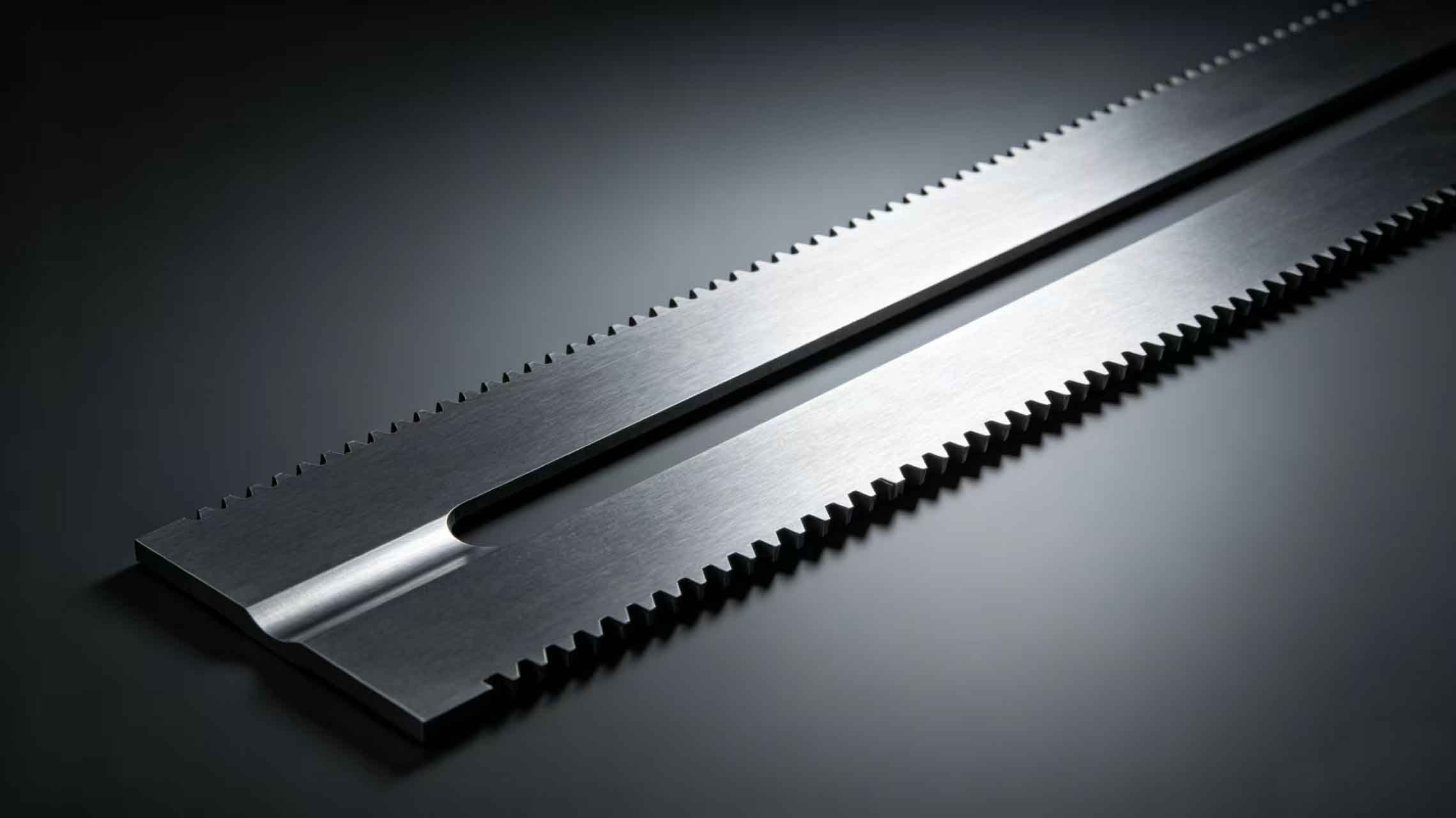
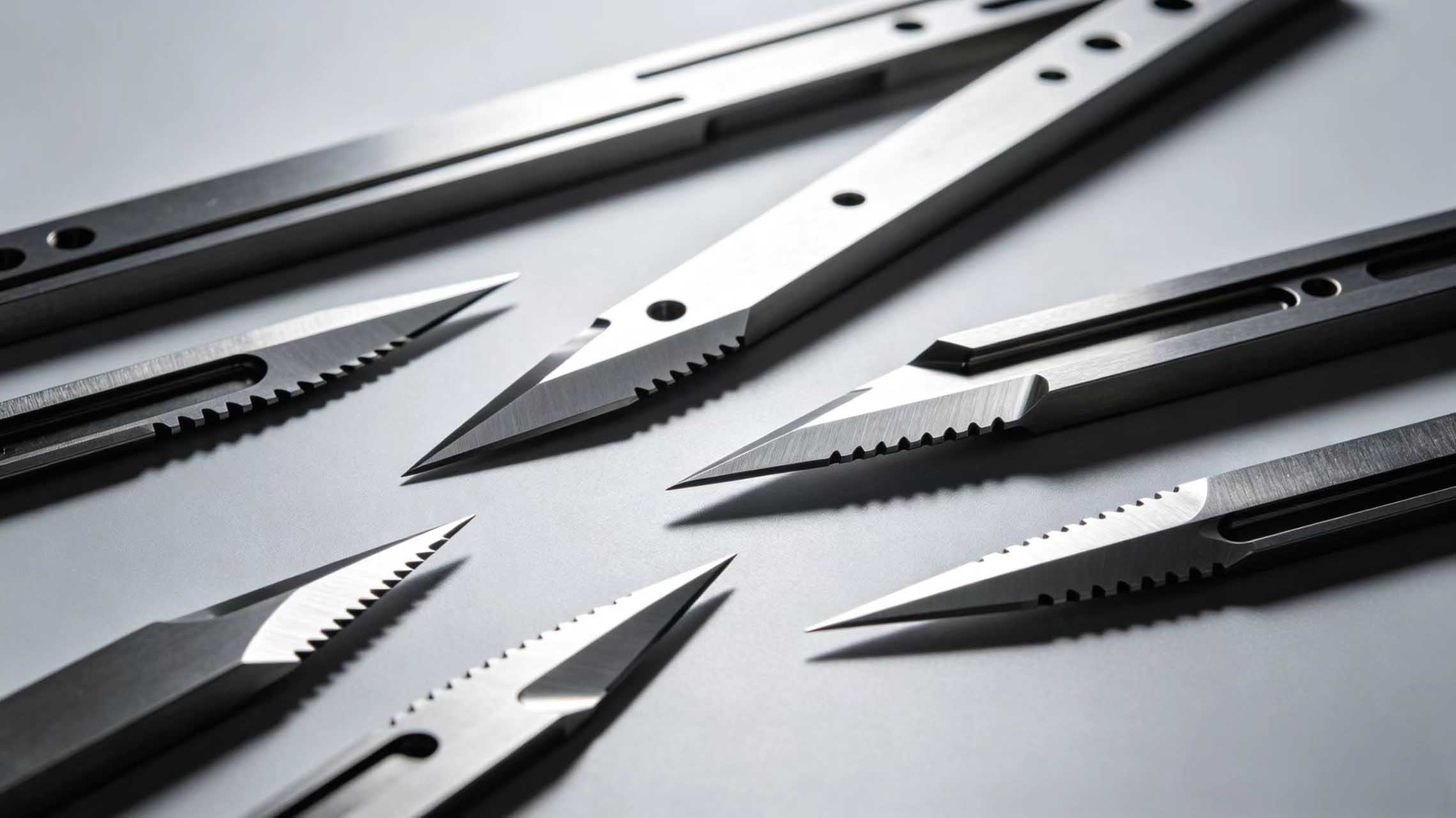
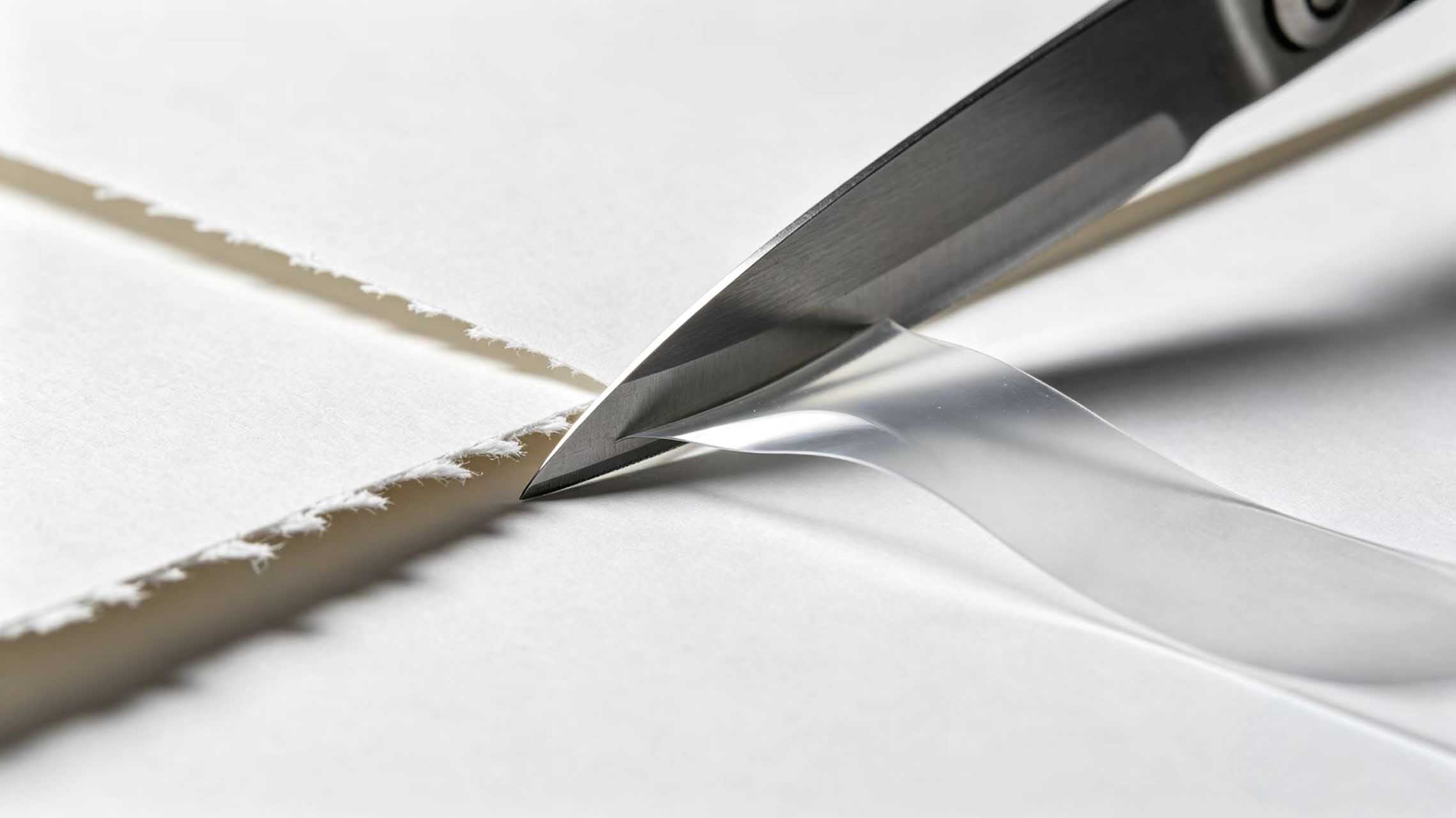
    On the production lines for food packaging, pharmaceutical packaging, and daily consumer goods packaging, the precision and efficiency of the cutting process directly impact the final product quality and production costs. Attentive equipment engineers may notice that key cutting components on vertical packaging machines, bag making machines, and carton sealers often feature blades with fine serrated edges—this is what the industry commonly refers to as packaging toothed blades.   So why does the packaging industry favor serrated blades so much? What technical secrets lie within this seemingly simple tooth structure? Today, Mingbai Machinery Blade Technology will analyze the deep-seated reasons behind the packaging industry's preference for toothed blade structures from the perspectives of materials science and cutting processes.   What are Packaging Toothed Blades?   Packaging toothed blades are industrial cutting blades featuring a continuous serrated structure, primarily used for slitting materials and cutting seals on packaging machinery. Their core characteristic is the machined, regularly arranged micro-teeth on the cutting edge. These teeth can be V-shaped, wavy, or multi-tooth configurations, varying according to the specific application scenario.   In terms of applications, packaging toothed blades are widely used in packaging machinery such as pillow packaging machines, sachet machines, bag making machines, carton sealers, and tape dispensers. Whether it's the everyday food packaging bags we see, pharmaceutical packaging, or tape cutting in the express delivery industry, precise work by toothed blades is indispensable.   Three Core Advantages of the Toothed Blade Structure 1. Tearing-Type Cutting: Perfectly Handles Flexible Materials   The materials processed in the packaging industry are mostly flexible substances—plastic bags, composite films, aluminum foil, paper, etc. Traditional straight-edged blades often face a dilemma when cutting these materials: the material tends to be compressed, stretched, or even torn, resulting in uneven cuts.   Serrated blades, however, employ a completely different cutting principle. When the toothed blade contacts the material, the tooth tips form high-density stress points, achieving separation through a combined "tearing + shearing" action. This cutting method significantly reduces the tensile deformation of the material, making it especially suitable for cutting soft materials like wash care labels and fabric labels.   One equipment engineer vividly analogized: "A straight blade 'presses down to cut,' while a serrated blade 'tears apart to cut'—for soft materials, the latter is clearly smarter." 2. Burr-Free Cutting: Enhances Packaging Aesthetics   In the fields of food and pharmaceutical packaging, the cleanliness of the cut directly affects the product's seal integrity and shelf appearance. Burr-free cutting is another core advantage of packaging toothed blades.   Due to the stress concentration effect of the serrated structure, the material is precisely separated at the tooth tips, avoiding the tensile burrs that straight blades might produce. After precision grinding, the flatness of toothed blades can be controlled within 0.01mm, and the teeth are sharp and wear-resistant, ensuring clean, burr-free cut products. This is particularly crucial for high-speed automated packaging lines—burrs not only affect appearance but can also lead to poor subsequent sealing, causing product rejection. 3. Reduces Material Curling and Adhesion   On high-speed packaging lines, another common problem is the curling or adhesion of materials after cutting. Especially for plastic film materials, the thermal effects and mechanical stress during cutting can easily cause the cut edges to curl, affecting subsequent processes.   V-tooth blade technology can effectively solve this problem. According to research by foreign blade manufacturers, optimized tooth designs can reduce material tearing and curling while extending blade life. This means lower downtime for changes and higher production efficiency.   Material and Process: Guaranteeing Toothed Blade Performance   The performance of packaging toothed blades depends not only on tooth design but also critically on material selection and heat treatment processes.   Diverse Materials for Different Needs   Depending on the cutting object, packaging toothed blades can use various materials: · High-Speed Steel (HSS) : Widely used for cutting food packaging bags, offering excellent cutting efficiency. · SKD-11, Cr12Mov : Provide a good balance of hardness and wear resistance. · 420-J2, SUS-440C : Stainless steel materials, suitable for applications requiring rust prevention. · ASP-60 : Powder metallurgy high-speed steel, offering longer service life, ideal for high-load continuous production.   Precision Heat Treatment Ensures Durability   High-quality packaging toothed blades must undergo strict heat treatment processes. For example, bag making machine blades produced by Mingbai Machinery Blade Technology, after quenching and cryogenic treatment, achieve a hardness of HRC 61°-63°, maintaining sharpness while possessing sufficient toughness to resist impact.   Typical Applications of Toothed Blades in Packaging Machinery   1. Bag Making Machines and Carton Sealers   In bag making machines, toothed blades are responsible for cutting after the bag is formed. Whether for vests bags, roll bags, or food bags, toothed blades are needed to provide clean, neat cuts. The tape cutting blades used in carton sealers also adopt a toothed design, ensuring the tape can be easily torn without damaging the carton. 2. Vertical Packaging Machines   Vertical packaging machines, widely used in food and pharmaceutical packaging, typically use straight-line toothed blades as their key cutting components. These blades require extremely high flatness and sharpness to adapt to high-speed continuous production.   3. Rotary Cutters   For applications requiring continuous cutting, slitting circular knives often feature a toothed design. The rotary cutting method combined with the toothed structure can handle flexible materials like wash labels and fabric labels with higher efficiency, while minimizing the risk of material deformation.   Mingbai Machinery Blade's Toothed Blade Solutions   As a professional industrial blade manufacturer, Mingbai Machinery Blade Technology Co., Ltd. understands the differentiated requirements for cutting tools across various packaging processes. Our packaging toothed blades series products feature:   · Customized Tooth Design : Offering V-tooth, wavy tooth, multi-tooth configurations, and other options based on the characteristics of the customer's packaging materials. · High-Quality Materials : Utilizing SKD-11, high-speed steel, powder metallurgy steel, and other materials to match different wear resistance needs. · Precision Machining Process : Employing multi-axis grinders to ensure tooth consistency and cutting edge sharpness. · Strict Quality Control System : Every blade undergoes hardness testing and cutting tests before leaving the factory. Conclusion   The packaging industry's preference for toothed blade structures is no accident. From adaptability to flexible materials, to quality assurance through burr-free cutting, to productivity gains from reduced curling, toothed blades, with their unique technical advantages, have become indispensable core components of modern packaging machinery.   As packaging materials become increasingly diverse and packaging speeds continue to rise, performance requirements for toothed blades will also grow. Mingbai Machinery Blade will continue to focus on optimizing and innovating blade materials and tooth structures, providing the packaging industry with more efficient and durable cutting solutions.   If you have customization needs for packaging toothed blades, bag making machine blades, or other serrated blades, please feel free to contact Mingbai Machinery Blade Technology Co., Ltd. Our technical team will provide professional selection advice and customized services. Website: www.mingbaiblade.com
  • The Production Process of Rotary Shear Blades: From Steel to Finished Product
    Mar 10, 2026
    In metal sheet slitting and longitudinal cutting lines, rotary shear blades, though seemingly just simple steel rings, are the core components that determine shearing accuracy and cut quality. The journey of a high-quality rotary shear blade—from raw steel to installation on the machine—involves dozens of processes, including forging, heat treatment, cryogenic treatment, and precision grinding.   Today, we will use the manufacturing process of Mingbai Machinery Blade Technology Co., Ltd. as an example to unveil the complete transformation of a piece of steel into a high-precision finished industrial blade. Stage 1: Strict Material Selection — Quality is Determined by Genes All high-performance cutting tools begin with the right material. We select different material formulas based on the specific materials to be sheared, such as silicon steel sheets, stainless steel strips, or copper and aluminum foils. For blades requiring high wear resistance, we often use Cr12MoV, SKD-11, or even alloy steels containing rare elements. These materials contain high levels of chromium and molybdenum, ensuring a uniform carbide structure after subsequent heat treatment, which lays a solid foundation for the blade's red hardness and toughness. Stage 2: Forging and Annealing — Reshaping the Internal Structure Once the steel arrives, the circular blades are not immediately sent for machining. They must first undergo the forging process. Forging breaks down the original carbide segregation inside the steel, distributing it more evenly, thereby eliminating potential future chipping risks. After forging, the blanks undergo spheroidizing annealing to reduce hardness for easier machining, while also preparing the microstructure for the final quenching process.   Stage 3: Rough Machining — Forming the Shape After annealing, the steel becomes softer and easier to cut. On large vertical lathes or machining centers, the blades are rough-machined into their basic shapes, establishing the inner diameter, outer diameter, and thickness. Technical Point: At this stage, we do not machine to the final dimensions. Instead, a finishing allowance of 0.40mm to 0.60mm is intentionally left. This allowance compensates for minor deformations that may occur during subsequent heat treatment and provides material for the final precision grinding stage.   Stage 4: Heat Treatment — Giving the Blade Its Soul This is the most critical "core technology" step, directly determining the blade's lifespan. 1. Quenching: The blade is heated to a high temperature of 1020°C-1050°C and then rapidly cooled in oil or a salt bath to transform the steel into a hard martensitic structure. 2. Cryogenic Treatment: This is a key step for enhancing quality. We place the quenched blades into cryogenic equipment at temperatures between -140°C and -160°C for several hours. This promotes the transformation of retained austenite into martensite, significantly increasing the blade's hardness and dimensional stability, ensuring it maintains its size during long-term, high-speed operation. 3. Tempering: After cryogenic treatment, the blades need internal stresses relieved. They undergo multiple tempering cycles at around 500°C to stabilize the metallurgical structure, ultimately achieving an ideal state combining high hardness with necessary toughness.   Stage 5: Precision Grinding — A Battle for Micron-Level Accuracy After heat treatment, the blades are hard but possess an oxide layer and minor deformations. This is where high-precision surface grinders and internal/external cylindrical grinders come into play. We employ a stepped process of rough grinding, semi-finish grinding, and finish grinding. For demanding rotary shear blades, parallelism must be controlled to within 0.003mm. This is equivalent to one-twentieth of a human hair's diameter. Throughout the grinding process, not only is absolute machine precision required, but the technician's experience is also vital for controlling grinding heat and preventing burning of the cutting edge.   Stage 6: Polishing and Inspection — The Final Check Before Shipment After precision grinding, the blades undergo polishing. Through polishing, the surface roughness can reach Ra < 0.07μm. This not only gives the blade a bright, mirror-like appearance but, more importantly, reduces friction with the material during shearing, preventing scratches on the strip. Factory Inspection: Before packaging, every blade must pass a rigorous "physical examination": · Dimensional Check: Using micrometers to verify thickness tolerances. · Runout Check: Simulating the installed state to check face runout and radial runout. · Hardness Test: Random sampling to test Rockwell hardness, ensuring it meets the promised standard of HRC 58-62.   Stage 7: Rust Prevention and Packaging Finally, the surface of precision-ground blades is very clean and highly susceptible to rust. Technicians apply high-quality rust-preventive oil and use custom packaging boxes for individual protection, ensuring the blades are not damaged by impact during transport.   Conclusion From a simple piece of steel to a sharp blade capable of cutting tough materials, every step embodies the wisdom of materials science in heat treatment and the craftsmanship of precision machining. Mingbai Machinery Blade Technology Co., Ltd., through strict control over each of these processes, provides you with durable and reliable industrial cutting edges. If you have specific customization needs for industrial blades or circular blades, please feel free to contact our technical team at any time.   Website: www.mingbaiblade.com
  • How to Choose a Reliable Industrial Blade Manufacturer
    Jan 29, 2026
    In the field of industrial manufacturing, a high-quality blade is a core element for ensuring production efficiency, product quality, and cost control. However, faced with numerous cutting tool suppliers in the market, how to identify and select a truly reliable, trustworthy industrial blade manufacturer for the long term is a challenge for many purchasing and technical personnel. Today, starting from several key dimensions, we will outline a practical selection guide for you.   I. Examine Qualifications and Industry Experience The foundation of a reliable manufacturer lies in its professional qualifications and industry experience. · Company History: Manufacturers with many years of experience have often stood the test of the market, accumulating rich technical expertise and an understanding of various working conditions. They are better at combining theoretical knowledge with practical problems. · Specialization and Focus: Manufacturers specializing in specific areas (such as slitting, punching/shearing, shredding, etc.) usually possess greater depth than "jack-of-all-trades" suppliers. Examine whether their product catalog is clear and their technical descriptions are professional. · Certifications: Relevant quality management system certifications (such as ISO9001) are fundamental guarantees of standardized manufacturing processes. While not absolute standards, they are indispensable.   II. Evaluate Technical R&D and Customization Capabilities Blades are highly non-standardized products. Strong technical R&D and customization capabilities are the core competitiveness of a manufacturer. · Technical Team: Find out if the manufacturer has a professional team of technical engineers capable of conducting failure analysis, providing material selection advice, and optimizing design solutions. · Customization Process: A standardized customization process should include: requirement communication → working condition analysis → solution design and material recommendation → drawing confirmation → production manufacturing → factory inspection. Reliable manufacturers will patiently communicate every detail with you. · Sample Testing: Does the manufacturer support providing samples or small trial batches? This is the most direct way to verify if their solution matches your needs.   III. Investigate Manufacturing Processes and Quality Control Systems Advanced equipment is the foundation, but meticulous processes and quality control are the soul that determines the stable performance of each blade. ·Core Processes: Focus on their heat treatment and precision grinding capabilities. Heat treatment is key to imparting intrinsic properties (hardness, toughness) to the blade, while precision grinding determines the sharpness, finish, and geometric accuracy of the cutting edge. · Inspection Equipment: Is the factory equipped with hardness testers, metallurgical microscopes, precision measuring instruments, etc.? Are 100% hardness and critical dimension inspections performed before shipment? Strict factory inspections are the final line of defense for quality. · Consistency: Reliable manufacturers can ensure highly consistent performance for blades from the same batch, or even different batches, which is crucial for stable production.   IV. Analyze Material Selection and Supply Chain "The cleverest housewife cannot cook a meal without rice." High-quality raw materials are the starting point for high-quality blades. · Material Sources: Does the manufacturer have stable cooperation with reputable steel mills? Can they provide quality certificates for key materials? · Material Inventory: Do they maintain an inventory of various materials, from common tool steels (such as Cr12MoV, 9CrSi) to high-performance high-speed steels and cemented carbides, to meet different customer needs? · Honest Recommendations: Will they honestly recommend the most cost-effective material solution based on your actual working conditions and budget, rather than just pushing high-priced products?   V. Value After-Sales Service and Problem-Solving The completion of a transaction is not the end of cooperation. Professional after-sales service is a strong guarantee for long-term partnership. · Response Speed: When problems arise, can you get quick technical support and response? · Problem Diagnosis: Do they have the capability to analyze blade failure reasons remotely or on-site and provide written reports and improvement solutions? · Continuous Optimization: Are they willing to continuously optimize product design or processes based on your usage feedback to jointly improve production efficiency?   Your Selection Checklist Before making a final decision, you can use the following checklist for evaluation: · Does the manufacturer clearly understand my specific application scenario and pain points? · Is their proposed technical solution reasonable and evidence-based, rather than just talk? · Can I visit the factory or obtain detailed videos/pictures of the production and inspection processes? · Are there multiple successful case studies from similar working conditions for reference? · Are the terms regarding quality, delivery, and after-sales service clearly stipulated in the contract? · Is the communication experience professional, sincere, and smooth? Choosing a reliable blade manufacturer is essentially choosing a long-term, reliable, and professional partner. They can not only provide you with a qualified blade but also, through continuous technical support and solutions, empower your production efficiency and competitiveness. We hope this guide helps you make an informed choice. https://www.mingbaiblade.com/
  • How to Determine the Material Grade and Performance Differences of Blades
    Jan 28, 2026
    In the world of precision machining, the blade, though small, is the core component determining efficiency, quality, and cost. Faced with a vast market of diverse and variably priced blades, how can one quickly assess their intrinsic "true quality"? Understanding the differences in blade material grades and performance is not only key to selecting the right tool but also fundamental to achieving efficient production and cost control. This article will unveil the mystery of blade materials and provide a practical framework for judgment.   Five Key Indicators of Core Performance To judge the quality of blade materials, one must first understand the five core indicators that determine their performance: hardness, toughness, wear resistance, corrosion resistance, and red hardness. These interconnected indicators collectively define a blade's "character" and "capability." Hardness is the material's ability to resist indentation. Like the strength of human bones, it directly determines whether the blade can cut into the material and maintain its sharpness. It is often measured by HRC values, but higher numbers are not always better. Toughness is the ability to resist impact and fracture, akin to human flexibility. It is crucial for machining conditions involving shock or vibration. High hardness often comes at the cost of reduced toughness. Wear Resistance determines the blade's "endurance" or service life, depending on the material's microstructure and hardness. Corrosion Resistance is the "resistance" in damp or chemical environments, especially important for industries like food and chemicals. Red Hardness is the ability to maintain hardness at high temperatures, ensuring the blade's performance doesn't degrade during high-speed cutting. Performance Portraits of Mainstream Blade Material Families The world of blade materials is primarily divided into several families, each with its unique "performance portrait." The Carbon Tool Steel and Alloy Tool Steel family, including common grades like T10, 9CrSi, and Cr12MoV, represents the "economical and practical" type in the industrial field. Through proper heat treatment, they achieve good hardness (HRC 58-62) and wear resistance, with excellent overall machinability and cost-effectiveness. Their main "shortcoming" is poor red hardness; hardness drops significantly when working temperatures exceed 300°C. Therefore, they are widely used in applications with low demands on speed and temperature, such as roll cutting, slitting, and blanking, forming the core material foundation for many of Mingbai Machinery's products.   The High-Speed Steel (HSS) family can be considered the "all-rounder." By adding large amounts of alloying elements like tungsten, molybdenum, cobalt, and vanadium to steel, it significantly improves red hardness (up to 600°C) while maintaining excellent toughness. This makes it ideal for manufacturing tools that withstand complex cutting forces and have intricate shapes, such as drills, taps, and form blades. Its balance of overall performance is outstanding.   The Carbide (commonly known as Tungsten Steel) family is the "king of hardness and wear resistance." Sintered from hard tungsten carbide particles and a metallic cobalt binder, it offers extremely high hardness (HRA can exceed 90), with wear resistance several to dozens of times that of HSS. However, it is also relatively more "brittle" and fears strong impact. Thus, it is most suitable for high-speed, continuous, and stable precision cutting, excelling in processing stainless steel, non-ferrous metals, and in the slitting of various strips.   Higher-end materials like Powder Metallurgy High-Speed Steel and Cermet are "specialists" pursuing extreme performance in specific areas. The powder metallurgy process results in an extremely uniform material structure, combining high wear resistance with high toughness. Cermet, on the other hand, approaches ceramic in terms of extremely high red hardness and wear resistance while offering better toughness. They are typically used in applications with extreme demands on tool life and machining stability.   How to Judge and Select Like an Expert? Equipped with theoretical knowledge, how does one quickly judge and select in practice? You can follow this path: Step 1: Check Marks and Reports. Professional blade manufacturers mark the material grade (e.g., Cr12MoV, SKD-11, YG8) on the product or packaging. Additionally, request material certificates or heat treatment reports from suppliers—the most direct basis for judgment. Step 2: Listen and Observe. Gently tap the blade (exercise caution with carbide); a clear, long-ringing sound often indicates good heat treatment and internal stress control. Observe the cutting edge and surface; blades with fine grinding and uniform luster typically have superior manufacturing processes. Step 3: Test and Observe Performance. This is the most reliable test. Observe whether the cutting is smooth and effortless during the initial stage (sharpness). After continuous machining for a period, check if there is slight, uniform wear on the edge, or if chipping occurs (reflecting toughness), rapid dulling (reflecting wear resistance), or significant built-up edge formation (reflecting surface treatment and red hardness). Step 4: Match the Application Precisely. ·Shearing ordinary metal sheets, paper, plastics? High-quality alloy tool steel is the most cost-effective and efficient choice. · High-speed slitting of stainless steel strips, silicon steel sheets, or requiring extremely long life? Carbide blades are your best option. · Damp or corrosive machining environments? Must pay attention to stainless steel materials or whether effective surface coatings (like chrome plating, TiN coating) have been applied. · Significant shock or vibration in the working conditions? Prioritize high-speed steel with better toughness or alloy steel with appropriately reduced hardness grades. Our Value: Providing Precise Material and Performance Matching for You At Mingbai Machinery Tool Technology Co., Ltd., we understand the true meaning of "using the best steel for the blade." We don't just sell blades; we are committed to being your consultant for tool material selection. Based on your provided processing materials, equipment status, and production requirements, we can use our expertise to analyze and recommend the most suitable material grade and heat treatment process solution for you. We help you find the optimal balance between cost and performance, ensuring every blade is used to its fullest potential. https://www.mingbaiblade.com/
  • Analysis of the Advantages and Performance of Serrated Blades in the Food Packaging Industry
    Jan 27, 2026
    In modern food packaging production lines, the efficiency and quality of the cutting process directly affect the overall production rhythm and product appearance. As a specially designed cutting tool, the serrated blade demonstrates outstanding performance in the food packaging field due to its unique structural advantages. Today, we will take an in-depth look at the application features, core advantages, and key technical performance of serrated blades in the food packaging industry.   What is a serrated blade? A serrated blade, also known as a saw-tooth blade, is a specialized cutting tool with a continuously serrated edge design. Compared with a straight-edge blade, its edge displays a regularly spaced saw-tooth pattern, which offers significant advantages when cutting flexible, composite, or somewhat elastic packaging materials. Serrated blades are typically made of high-hardness stainless steel or special alloy steel, balancing sharpness, wear resistance, and corrosion resistance.   Main applications of serrated blades in food packaging · Film slitting and bag making: Used for continuous slitting of materials such as PE, PP, and composite films. The serrated design effectively prevents film misalignment and sticking. ·Cutting of biscuits, pastries, and other shaped foods: Achieves quick separation while maintaining the product’s shape and reducing debris. · Easy-tear notch processing on packaging bags: Pre-designing serrated tear lines on packaging bags enhances user experience. ·Frozen food cutting: Suitable for cutting frozen dough and frozen foods, with the serrated structure reducing material sticking to the blade. ·Cardboard and blister pack slitting: Used for cutting paper-based and aluminum-plastic blister packaging, providing neat cuts that are resistant to deformation.   Five core advantages of serrated blades 1. Strong anti-stick and anti-misalignment capability The serrated edge has relatively small contact areas with the material during cutting, making it especially suitable for materials with higher stickiness (such as sugar-containing foods or frozen food packaging), effectively reducing material adhesion to the blade. Additionally, the serrated structure helps guide the material, preventing misalignment during high-speed cutting of films or flexible materials. 2. Low cutting resistance and energy consumption Compared with straight-edge cutting, serrated blades use a "point-contact progressive cutting" principle, requiring less cutting force, reducing the operating load on equipment, conserving energy, and extending the life of transmission components. 3. Neat cuts with minimal fraying For materials prone to fraying, such as non-woven fabrics and composite films, serrated blades provide clean, precise cuts. The resulting edges are smooth and aesthetically pleasing, improving the quality of the finished packaging products. 4. Longer service life By optimizing the serration angles and spacing, wear during cutting is distributed more evenly, slowing down blade dulling. Compared with straight-edge blades, the service life can be extended by approximately 30%-50%, reducing the frequency of blade replacement and lowering production costs. 5. Adapting to High-Speed Continuous Operations The structural characteristics of the toothed blade allow it to maintain stable cutting performance at high speeds, making it ideal for modern high-speed packaging production lines and helping to improve overall production efficiency.   Key Performance Indicators Analysis · Tooth Design: Parameters such as tooth height, pitch, and angle need to be optimized according to material thickness, elasticity, and cutting speed. · Material Selection: The food packaging industry has very high hygiene requirements; blade materials typically include 9CrSi, Cr12MoV, stainless steel, etc., and must comply with safety standards for materials in contact with food. · Balance of Hardness and Toughness: The cutting edge hardness is usually maintained between HRC55-62 to ensure wear resistance while avoiding chipping. · Surface Treatment Process: Surface reinforcement treatments such as titanium coating and nitriding can further enhance corrosion and wear resistance. · Installation and Calibration Accuracy: The installation angle and tension of the toothed blade directly affect cutting performance and must be precisely adjusted according to equipment requirements.   What Can We Offer to the Food Packaging Industry? Mingbai Machinery Tool Technology Co., Ltd. has been deeply engaged in blade R&D and manufacturing for many years and has rich experience in custom solutions for food packaging toothed blades. We can provide full-process customized services—including tooth design, material selection, heat treatment, and precision grinding—based on customers’equipment models, packaging material characteristics, production speed, and specific requirements. This ensures that each toothed blade delivers stable and excellent performance in actual production. If you are looking for high-performance toothed blade solutions for food packaging or need to optimize and upgrade your existing blades, contact Mingbai Technology. We will provide professional technical support and reliable blade products to help your production line operate efficiently and stably. https://www.mingbaiblade.com/
  • Types of packaging machine blades and selection suggestions
    Jan 26, 2026
    Packaging machine blades are one of the core components in packaging equipment, and their performance directly affects packaging quality, production efficiency, and equipment life. As an indispensable cutting tool in the packaging production line, choosing the right blade is crucial for the stable production of enterprises. This article will provide you with a detailed introduction to the main types of packaging machine blades and provide practical selection suggestions to help you make better decisions.   The main types of packaging machine blades 1. Split blades Split blades consist of a combination of a tool holder and a knife bar and are often used in cutting scenarios that require frequent replacement or adjustment. The advantage is that the knife bar can be replaced individually, reducing the cost of use while facilitating maintenance and adjustment. It is suitable for conventional cutting of packaging materials, such as cartons, films, etc. 2. Integral blades The integral blade adopts a one-piece molding design, with a stable structure and strong rigidity, suitable for continuous cutting operations at high speed and high load. This type of blade is commonly used for heavy-duty packaging materials or cutting processes that require high precision, such as thick woven bags, rubber plates, etc. 3. Circular blades The circular blade completes the cutting by rotation and is suitable for continuous slitting or fixed-length cutting of coils. Its cutting process is smooth and neat, and it is widely used for horizontal or longitudinal slitting of film, paper, flexible packaging and other materials. 4. Shaped blades Blades customized according to special packaging shape needs, such as zigzag, wavy, etc. Special-shaped blades can achieve special cutting effects and are often used in gift packaging, food packaging, and other occasions that require aesthetic or functional cuts. 5. Alloy blades Made of high-performance materials such as carbide, it has excellent wear and corrosion resistance and has a long service life. Ideal for cutting abrasive materials or production environments where blade life is highly demanding. 6. Custom blades Non-standard inserts designed for special models, special materials or special process requirements. Custom blades can perfectly match equipment and production needs to solve special cutting challenges.   How to choose the right packaging machine blade? 1. Choose according to the packaging material · Soft materials (e.g., film, plastic bags): Choose blades with high sharpness and smooth surfaces, such as integral flat or round blades. · Hard/thick materials (e.g., cardboard, woven bags): Require a rigid blade, such as a thick monolithic knife or alloy blade. · Composite or Special Coating Materials: Consider wear-resistant, non-stick coated blades or alloy inserts. 2. Choose according to the cutting requirements · Normal straight cut: Standard split or monolithic blades are sufficient. · High-Speed Continuous Cutting: Prioritize monolithic or alloy blades for stability. · Precision cutting or special-shaped cutting: Customized high-precision blades or special-shaped blades are required. 3. Match according to the device model Different packaging machine brands and models have specific requirements for blade size, installation method, aperture, etc. When choosing, be sure to confirm the compatibility of the blade with the equipment or contact the manufacturer for a customized adaptation solution. 4. Comprehensive Consideration of Cost and Lifespan · Short-term or low-frequency use: Economical split blades can be selected. · Long-term high-frequency production: It is recommended to invest in integral or alloy blades. Although the initial cost is higher, their longer lifespan makes them more cost-effective overall. 5. Focus on Maintenance and Upkeep Regardless of the type of blade chosen, regular maintenance (such as sharpening, cleaning, and lubrication) can significantly extend its lifespan. Choosing a blade design that is easy to maintain can also reduce long-term operational costs.   Mingbai Technology's Professional Solutions As a professional machinery tool manufacturer, Mingbai Technology not only offers a full range of products including split blades, integral blades, circular blades, special-shaped blades, alloy blades, and customized blades, but also provides one-on-one selection advice and customization services based on customers’ equipment models, material characteristics, and production needs. We use high-quality steel and advanced heat treatment processes to ensure the sharpness, wear resistance, and stability of every blade, helping you improve packaging quality and reduce production costs. If you still have questions about choosing packaging machine blades or need blades customized to special specifications, feel free to contact Mingbai Technology at any time. We will provide you with professional technical support and solutions. https://www.mingbaiblade.com/
  • Common applications of special-shaped blades in industrial manufacturing
    Jan 22, 2026
    In the field of precision machining and material forming, the shape and performance of the blade directly determine the quality and production efficiency of the product. As a non-standard, special-shaped tool designed for specific machining needs, is playing a key role in more and more industrial scenarios due to its flexible design and efficient machining capabilities. Today, we will introduce the common applications of special-shaped blades in industrial manufacturing and how they can help enterprises achieve precision machining, reduce costs and increase efficiency.   What is a profiled blade? Special-shaped blades, as the name suggests, refer to blades whose shape is not limited to conventional round, square, or rectangular shapes, but is individually designed according to the shape of the processed material, cutting trajectory, or special process requirements. These blades usually have special edge shapes, angles, or structures that can perform tasks such as cutting, stamping, slitting, and trimming that are difficult to achieve with ordinary blades.   The main application areas of special-shaped blades 1. Packaging and printing industry In the paper, flexible packaging and printing industries, special-shaped blades are commonly used in die-cutting processes. For example, when making products such as gift boxes, cartoon labels, and special-shaped trademarks, it is necessary to customize the blade shape according to the design drawings to achieve one-time forming and cutting, with smooth edges and no burrs, which greatly improves product aesthetics and production efficiency. 2. Metalworking and sheet metal industry In sheet metal stamping, auto parts manufacturing, and metal decoration processing, special-shaped inserts can be used to punch parts with special contours, such as gear plates, motor cores, heat sinks, etc. Its high hardness and high wear resistance ensure dimensional stability during long-term machining, reducing the frequency of tool changes.   3. Textile and leather cutting  For clothing, shoe materials, bags and other industries, special-shaped blades can efficiently complete curve cutting, hollowing, punching and other processes, especially suitable for automatic cutting equipment, to achieve one-time precise cutting of multi-layer materials, save raw materials and improve consistency. 4. Food processing equipment In the food industry, special-shaped blades are commonly used to cut products such as biscuits, pastries, noodles, meat, etc., forming patterns, wavy shapes, or specific shapes. Food-grade materials and precision cutting edge design not only meet hygiene requirements, but also ensure beautiful cutting results. 5. Rubber and plastic molding Used for cutting rubber seals, silicone products, plastic accessories, etc., the special-shaped blade can be customized according to the shape of the product section, achieving efficient and continuous cutting, and the cut is flat and not easy to deform.   Why choose custom-shaped blades? Every industry, piece of equipment, and type of material may have unique blade requirements. Standardized blades often cannot fully meet these specialized process needs, while custom-shaped blades offer the following advantages: · Precise fit: Designed specifically according to equipment parameters and processing materials to enhance cutting accuracy and product consistency. · Improved efficiency: Optimized cutting paths and edge angles to reduce processing steps and time. · Extended lifespan: Selecting the right materials and heat treatment processes to enhance wear resistance and toughness, thereby reducing production costs. · Solve special challenges: Providing professional solutions for cutting composite materials, ultra-thin materials, and high-hardness materials.   Our Expertise Mingbai Machinery Tool Technology Co., Ltd. focuses on the research, development, and custom production of various mechanical blades, with extensive experience in custom-shaped blades. We can professionally design and manufacture blades based on customer-provided drawings or samples, ensuring that the blades fully meet the practical production requirements in terms of strength, precision, and durability. Whether it is rotary shear blades, circular blades, or complex-shaped custom blades, we can provide reliable solutions for you. If you have custom-shaped blade needs or related technical inquiries, feel free to contact us at any time. Mingbai Technology is dedicated to providing you with professional support and solutions. https://www.mingbaiblade.com/
1 2 3 4 5 6
Leave A Message
If you are interested in our products and want to know more details,please leave a message here,we will reply you as soon as we can.
submit

leave a message

leave a message
If you are interested in our products and want to know more details,please leave a message here,we will reply you as soon as we can.
submit

home

products

WhatsApp

Contact Us